From the Courtyard

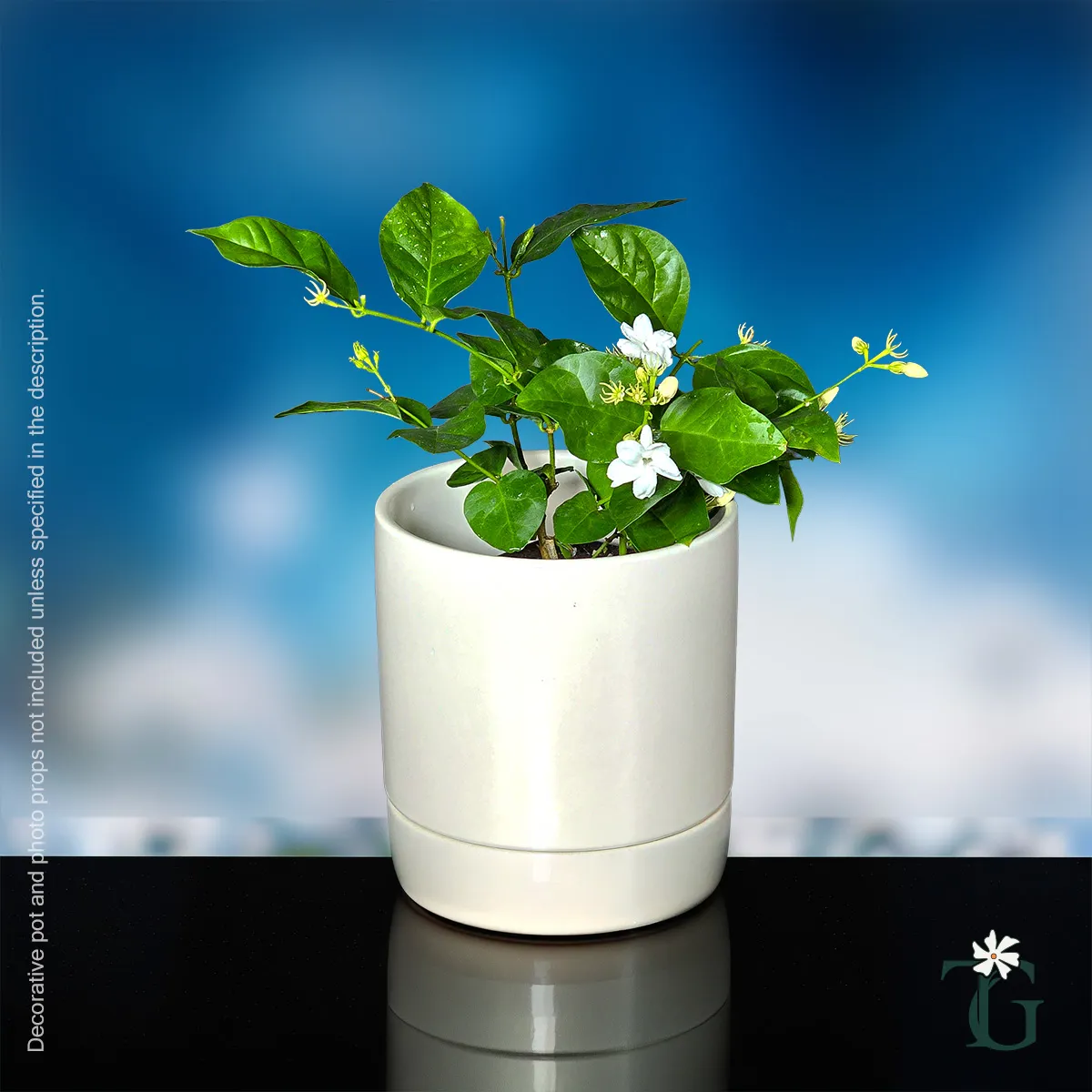
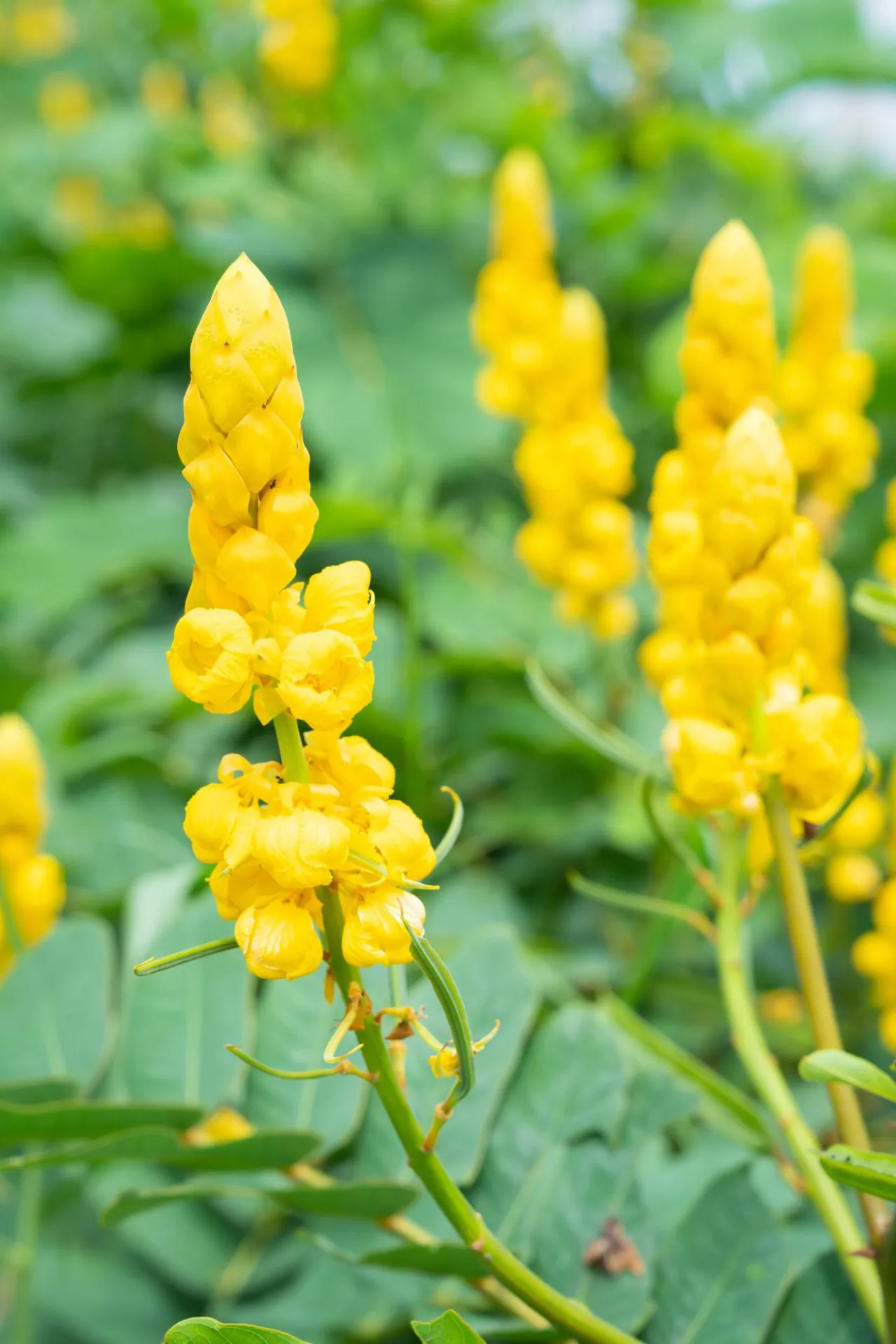
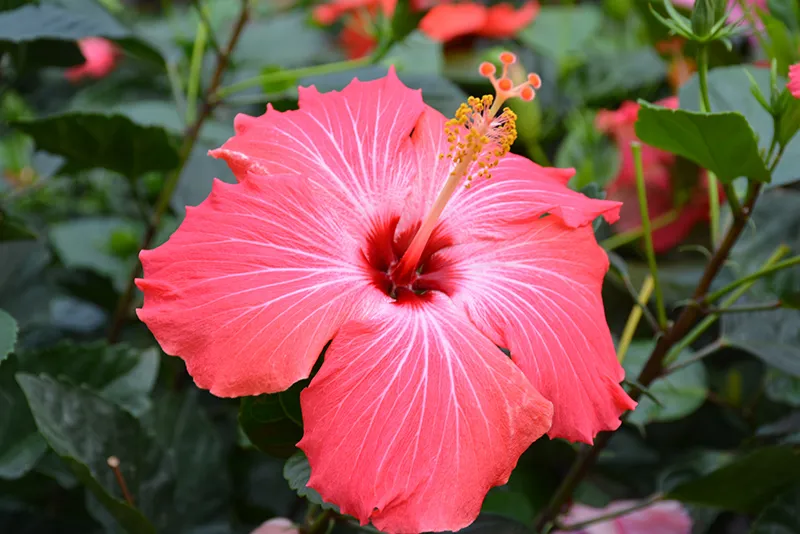
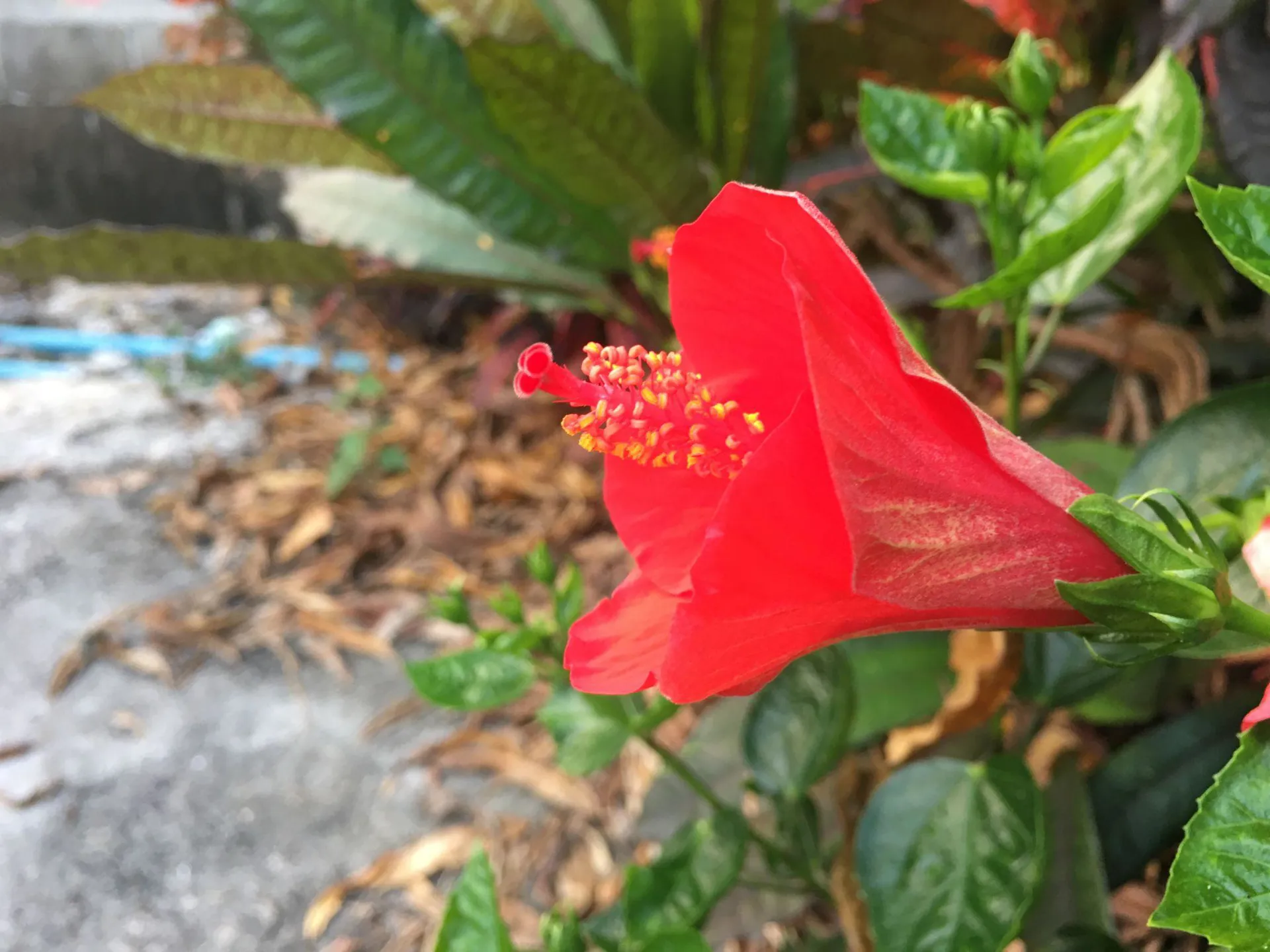
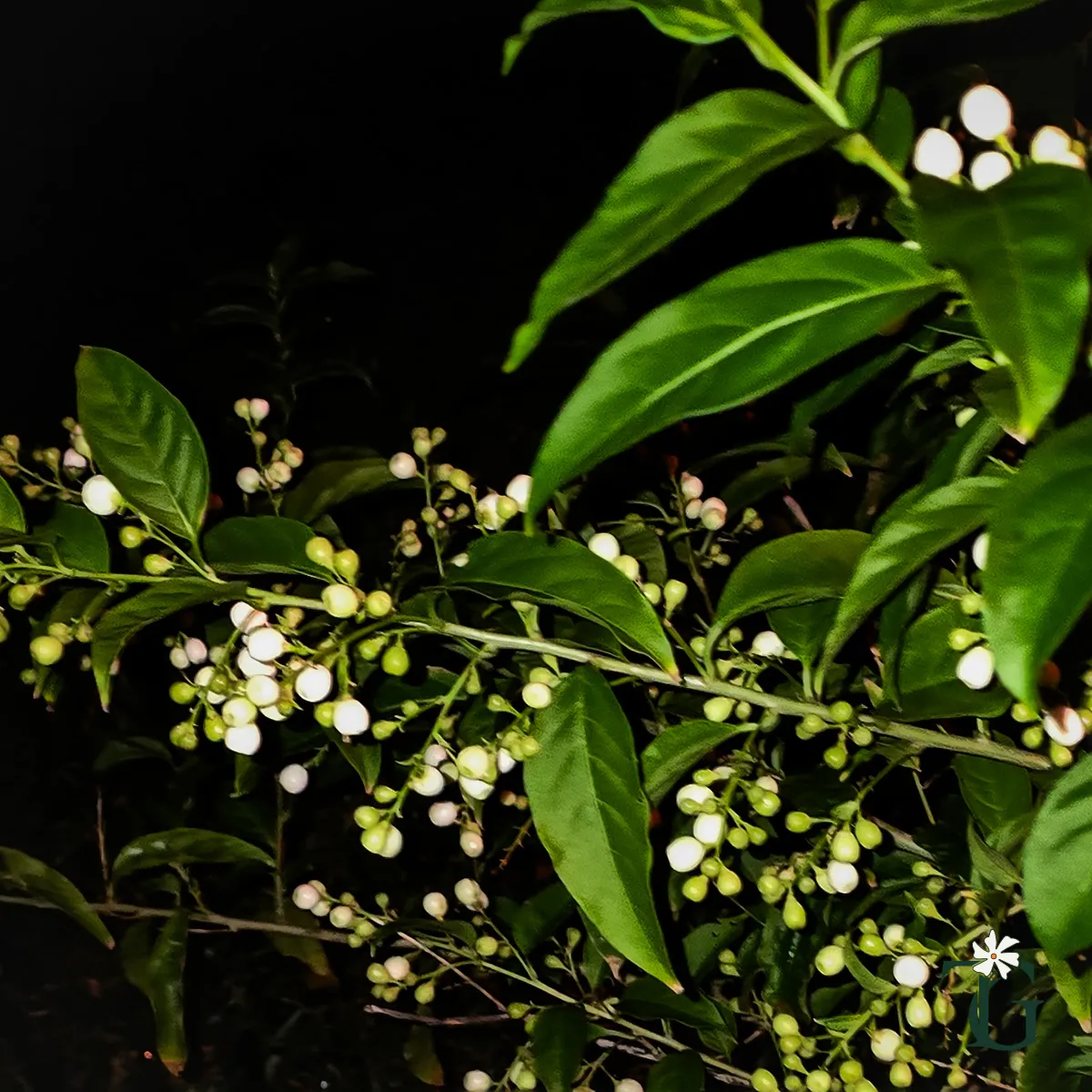
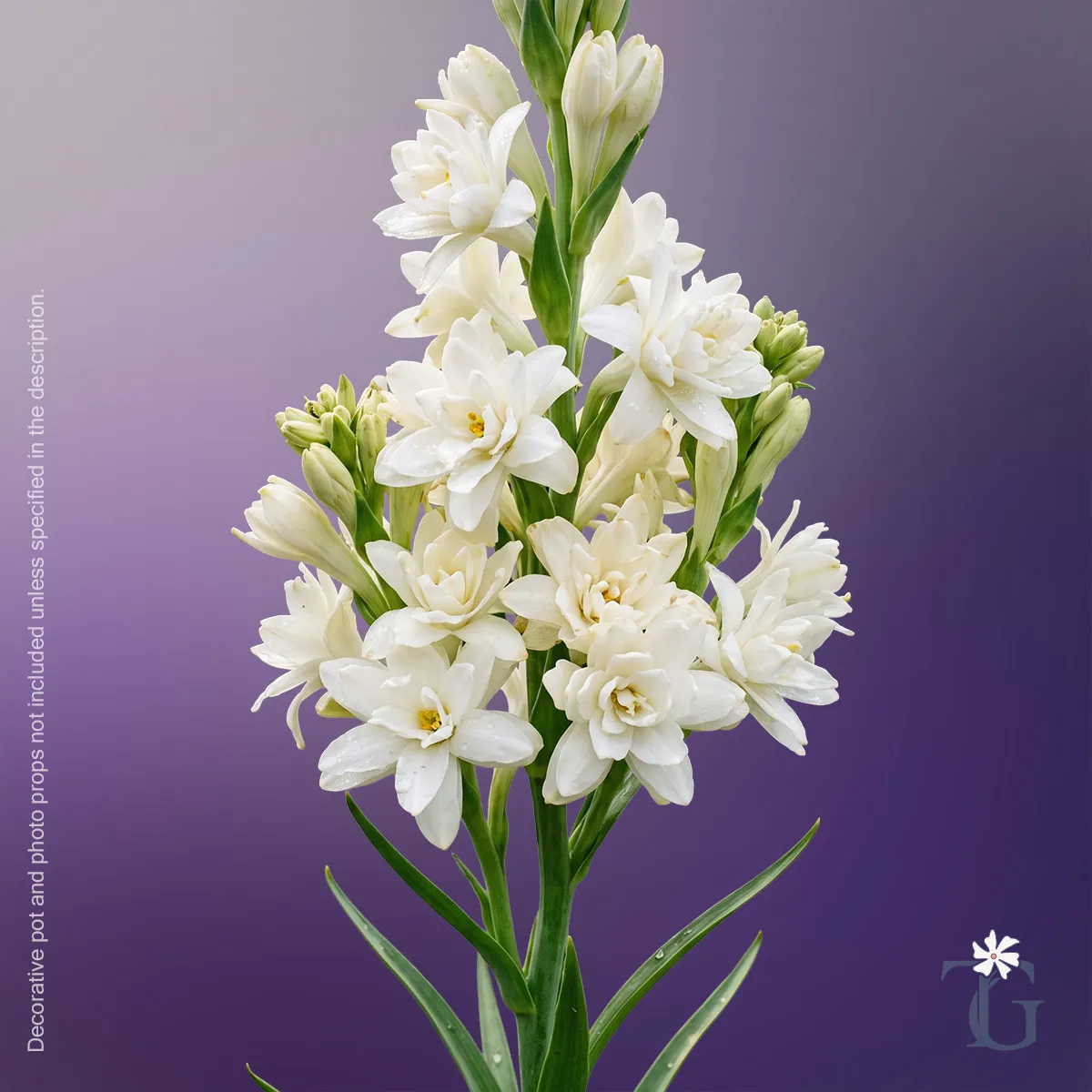
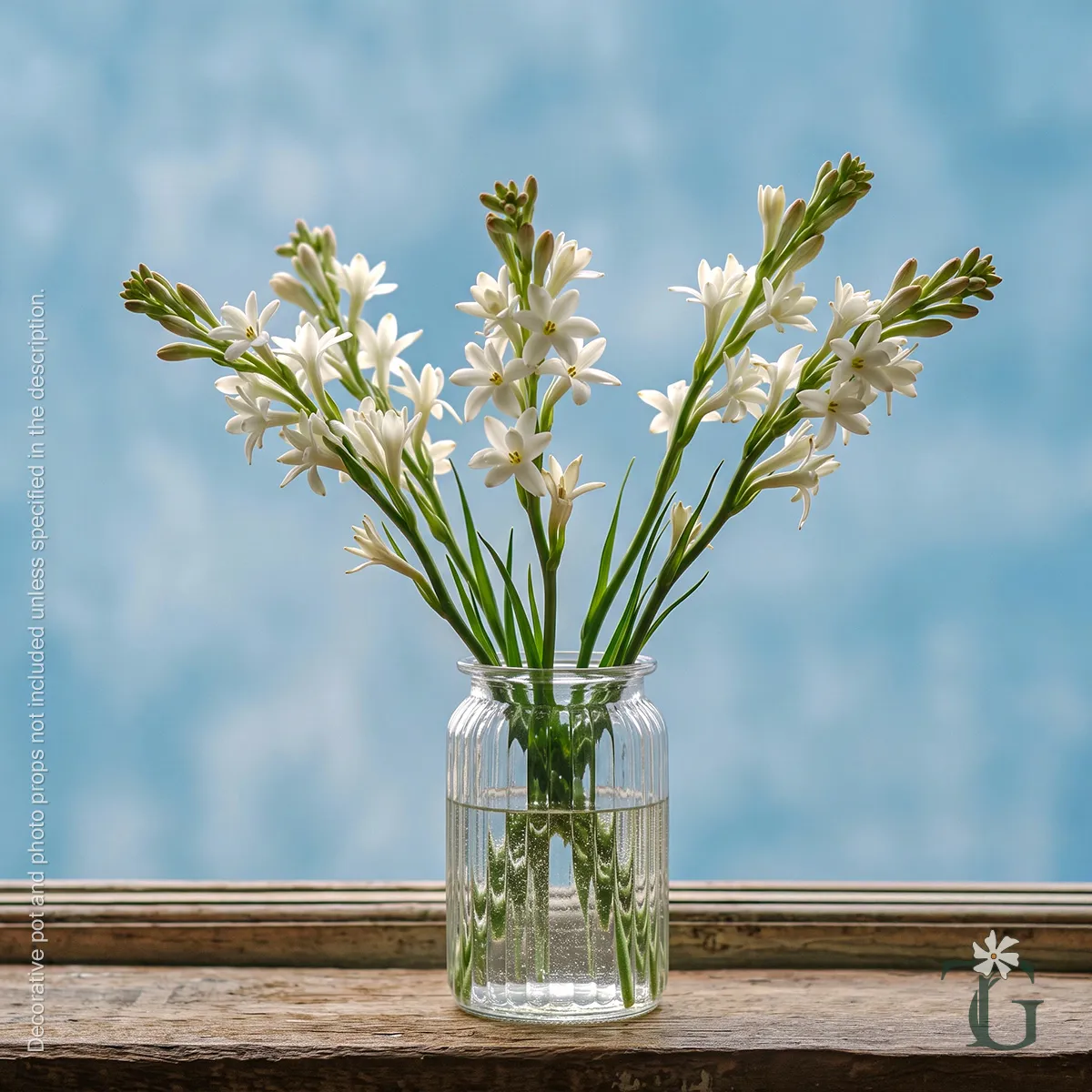
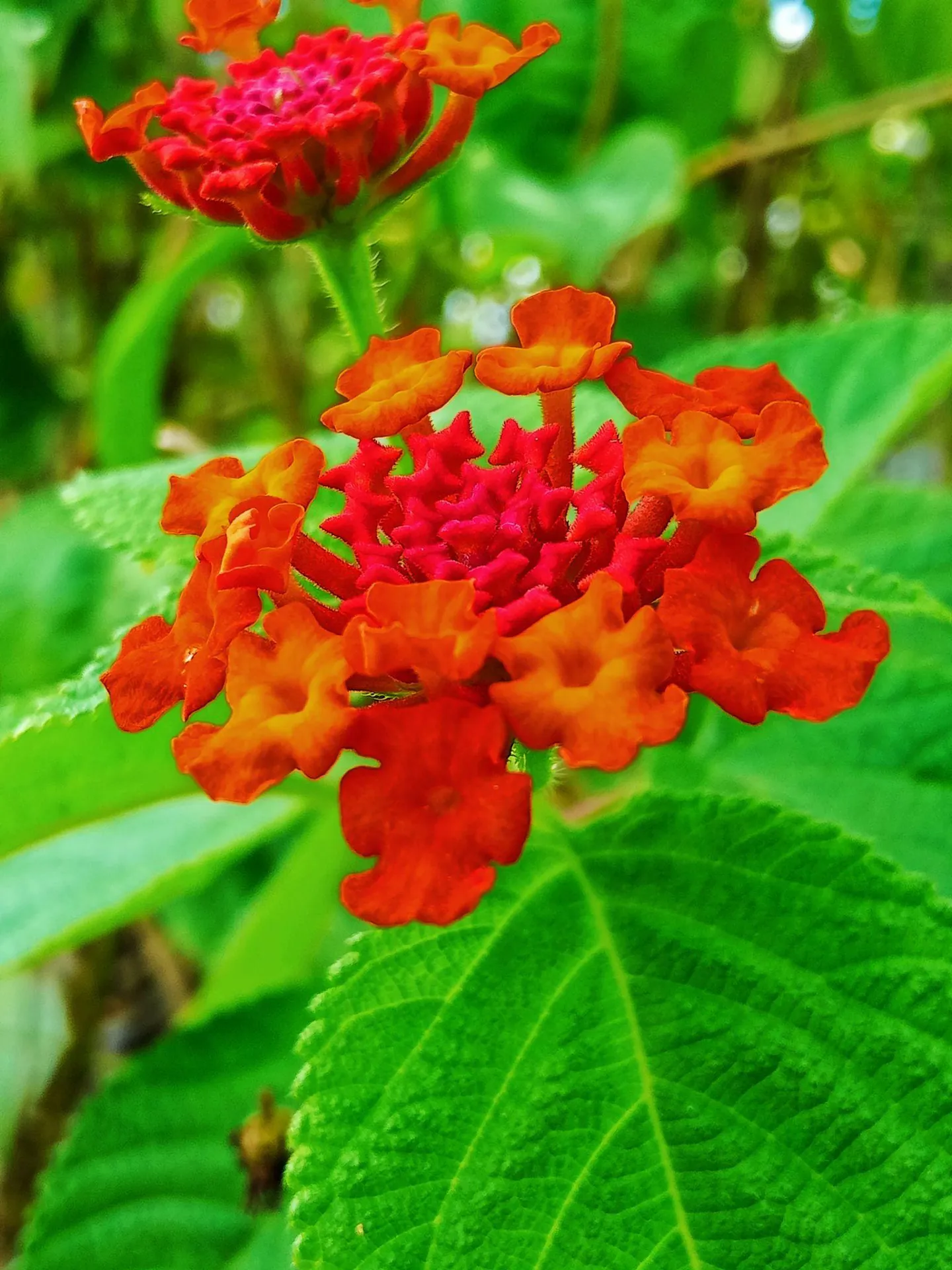
These are the plants that rarely needed introduction. They were simply there, near entrances, along walls, beside steps, or in a pot someone watered every evening without being asked. Fragrance after sunset. Leaves picked carefully. Flowers gathered for a purpose or simply enjoyed for what they offered that day. This collection is not about rarity. It is about recognition.
From the Courtyard

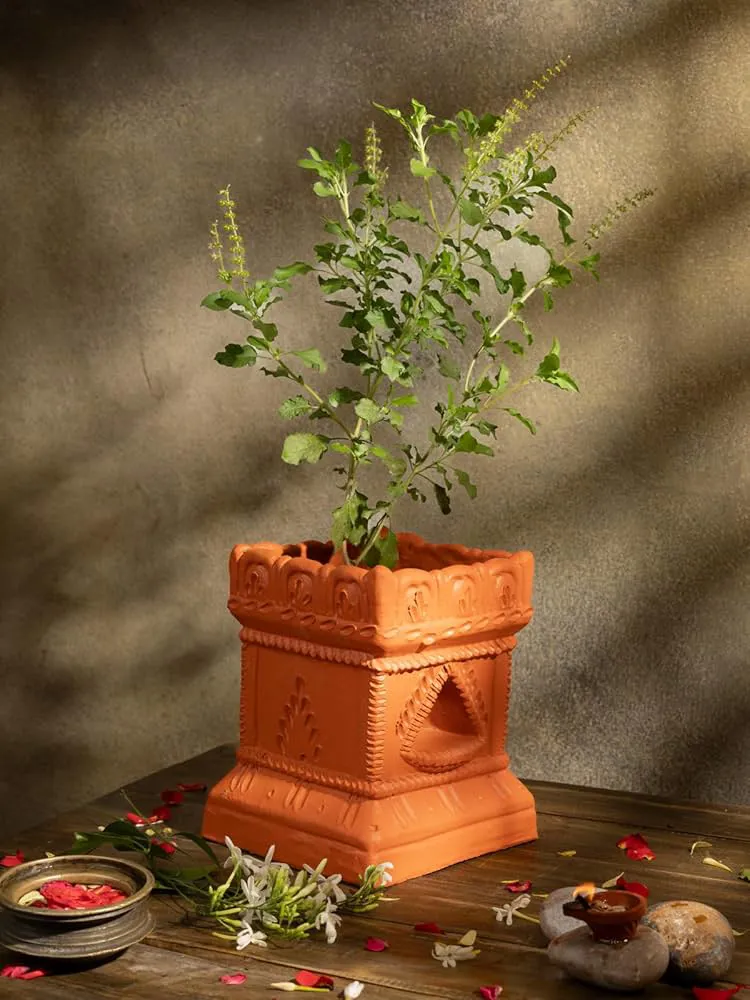
Courtyard plants are remembered through routine rather than occasion. They are interacted with daily, watered at dusk, checked in the morning, brushed past on the way in or out. Some were grown for fragrance, some for ritual, and some simply because every home had one. Together, they formed a living backdrop to everyday life.

Why these plants matter

  • Familiar presence: associated with homes and lived spaces rather than formal gardens
  • Daily interaction: part of routine care, not seasonal spectacle
  • Cultural continuity: passed between neighbors, families, and generations
  • Sensory memory: scent, touch, and habit often come before botanical knowledge

What to expect from this collection

  • plants chosen for how they live alongside people
  • steady presence rather than dramatic display
  • fragrance, utility, or familiarity that deepens over time
  • growth that may be seasonal, but presence that remains consistent

How we approach these plants

  • grown with resilience and adaptability in mind
  • suited for containers, doorways, verandas, and shared spaces
  • selected for tolerance of regular human interaction
  • listed with honest notes on care, pace, and attention preferences

Disambiguation and cultural notes

  • Regional familiarity: names may vary by region and household tradition
  • Ritual and routine: some plants serve ceremonial roles, others purely domestic ones
  • Shared heritage: often passed as cuttings or divisions, carrying personal history

Practical notes

  • courtyard plants respond better to consistency than precision
  • regular light interaction such as watering, pruning, or harvesting supports health
  • placement near lived spaces is often better than isolation
  • natural airflow usually improves fragrance and vigor