Plant profile
Details
Growth habit
Spreading, woody perennial
Mature size
4 ft tall • 5 ft wide
Climate fit
Perennial in Zones 8–11

Lantana – Orange Red

Lantana camara

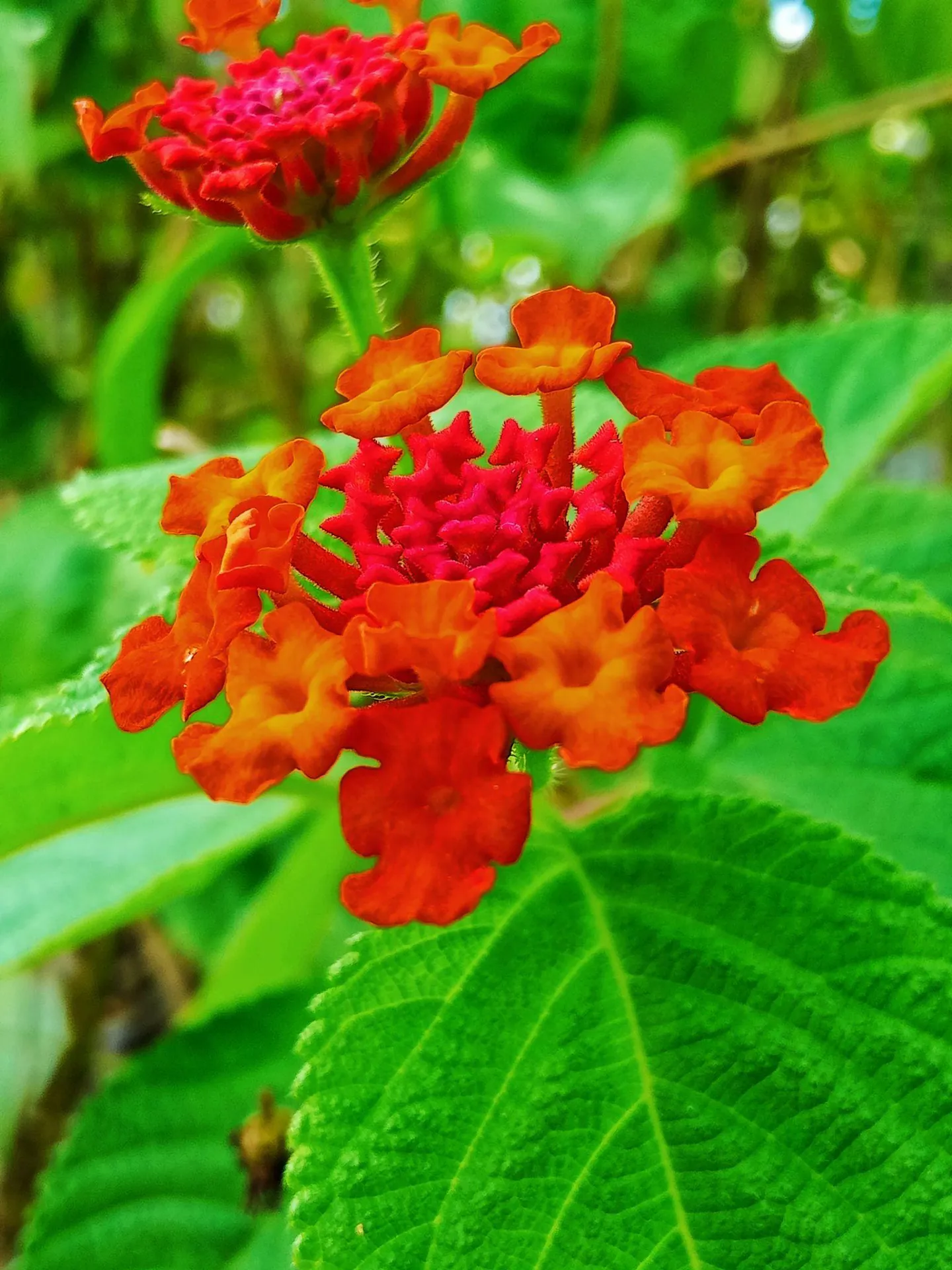
Orange Red lantana is known for flower clusters that shift between shades of orange, coral, and red as they mature. It is a plant people often associate with long summers, roadside gardens, and homes where flowering plants were chosen for strength as much as beauty. Easy to grow and generous with blooms, it earns affection through consistency rather than rarity.

Available pot sizes
Out of stock
We’ll restock when ready
Care basics
Light
Full sun
Water
Drought tolerant (once established)
Soil
Sandy / fast-draining
Fertilizer
Light feeder
Pruning
Minimal pruning
Cold
Brief light frost tolerated

About this plant

Botanical snapshot
Genus Lantana
Species camara
Cultivar Orange-Red
Family Verbenaceae

Orange Red lantana is a hardy flowering shrub valued for heat tolerance and repeat blooming. It adapts well to pots, borders, and open ground where sunlight is strong.

Why people keep it

  • Color movement: blooms change tone as they age, giving the plant a dynamic look.
  • Heat resilience: thrives in high temperatures and bright sun.
  • Low maintenance: forgiving once established.
  • Pollinator friendly: often attracts butterflies and garden activity.

Cultural presence

Orange Red lantana appears in everyday gardens where plants are expected to handle strong weather and still look cheerful. It carries the memory of public spaces, home entrances, and boundary plantings where color mattered more than precision. Many people recall it as one of the first flowering plants they recognized by sight rather than name.

What to expect

This plant grows best in full sun. Regular trimming keeps it compact and encourages new blooms. Without pruning, it may spread outward and become woody. Growth slows during cooler months but resumes quickly with warmth.

How we grow and ship it

We grow Orange Red lantana under conditions similar to home environments so adjustment after shipping is smoother. Plants are shipped rooted and actively growing. After arrival, provide sunlight and allow time to settle before reshaping.

Disambiguation & Cultural Notes

  • Color shifts are natural: bloom tones vary slightly depending on heat and light.
  • Often confused with other warm colored shrubs: lantana stands out for clustered flowers and resilience.
  • Common in warm regions: widely planted for durability in public and residential spaces.

Practical Tips

  • Full sun encourages heavier blooming
  • Allow soil to dry slightly between watering
  • Trim lightly to maintain shape
  • Avoid excess fertilizer, which can reduce flowers
  • Protect from prolonged frost

Full care guide

The details behind the basics.
Light
Full sun
Grow Orange-Red Lantana in full sun for best vigor and flowering. In extreme heat, provide consistent watering and consider light afternoon shade.
Water
Drought tolerant (once established)
Once established, Orange-Red Lantana can handle short dry spells. Water deeply, then allow the soil to dry more than usual between waterings.
Soil
Sandy / fast-draining
For Orange-Red Lantana, a lighter, sandy mix helps prevent root issues. Water more often as needed since fast-draining mixes dry quicker.
Fertilizer
Light feeder
Orange-Red Lantana needs only light feeding. Use a diluted balanced fertilizer occasionally during active growth and back off in cooler months.
Pruning
Minimal pruning
Orange-Red Lantana needs little pruning—remove dead, damaged, or crossing stems and shape lightly as needed.
Cold
Brief light frost tolerated
Orange-Red Lantana can tolerate a brief light frost, but extended cold will cause damage. Protect it during prolonged cold snaps.
Pests
Generally resistant
Orange-Red Lantana is usually not a pest magnet. Basic hygiene and airflow are typically enough to keep it happy.
Toxicity
Toxic to pets
Orange-Red Lantana may be toxic to pets if chewed or ingested. Keep it out of reach and contact a vet if ingestion is suspected.