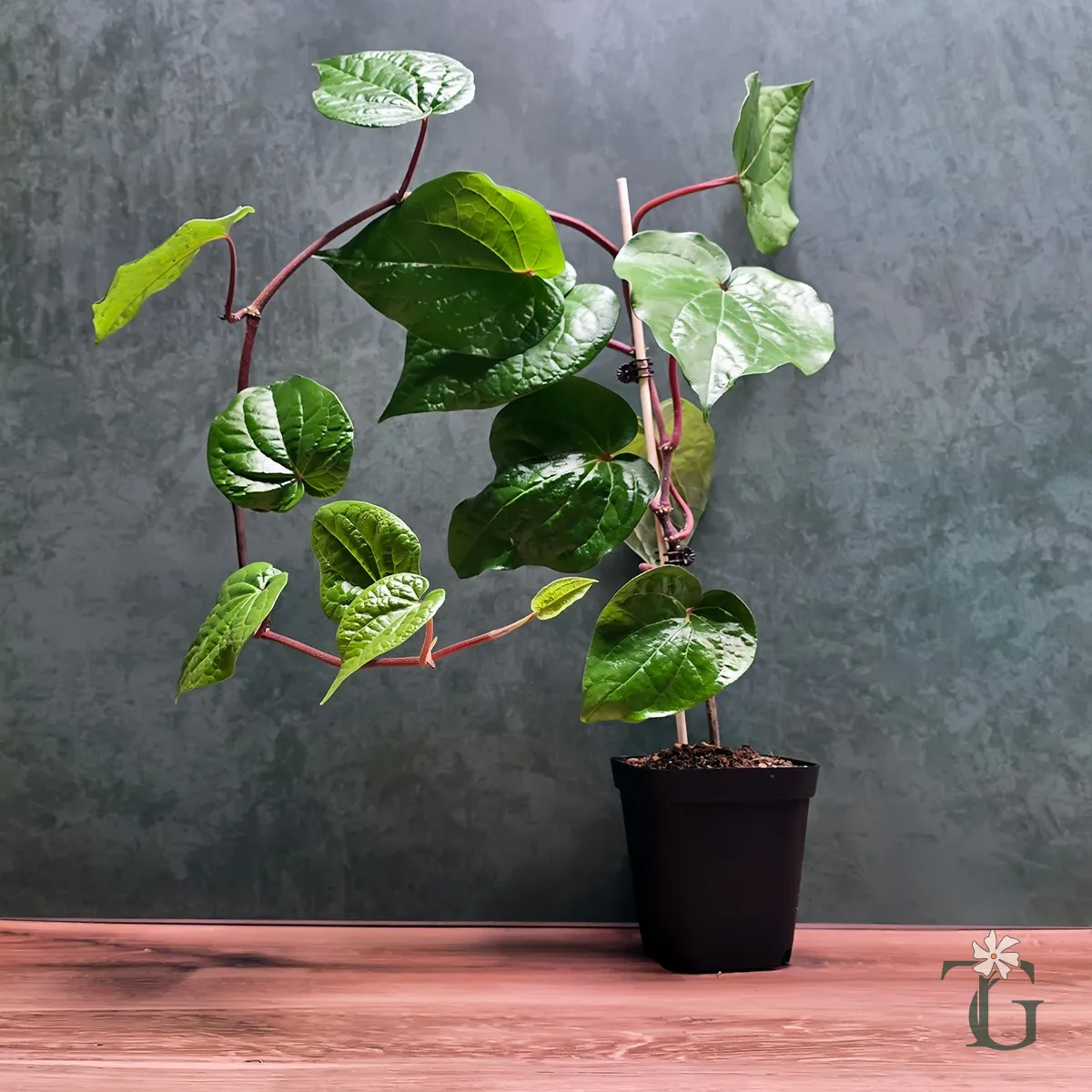
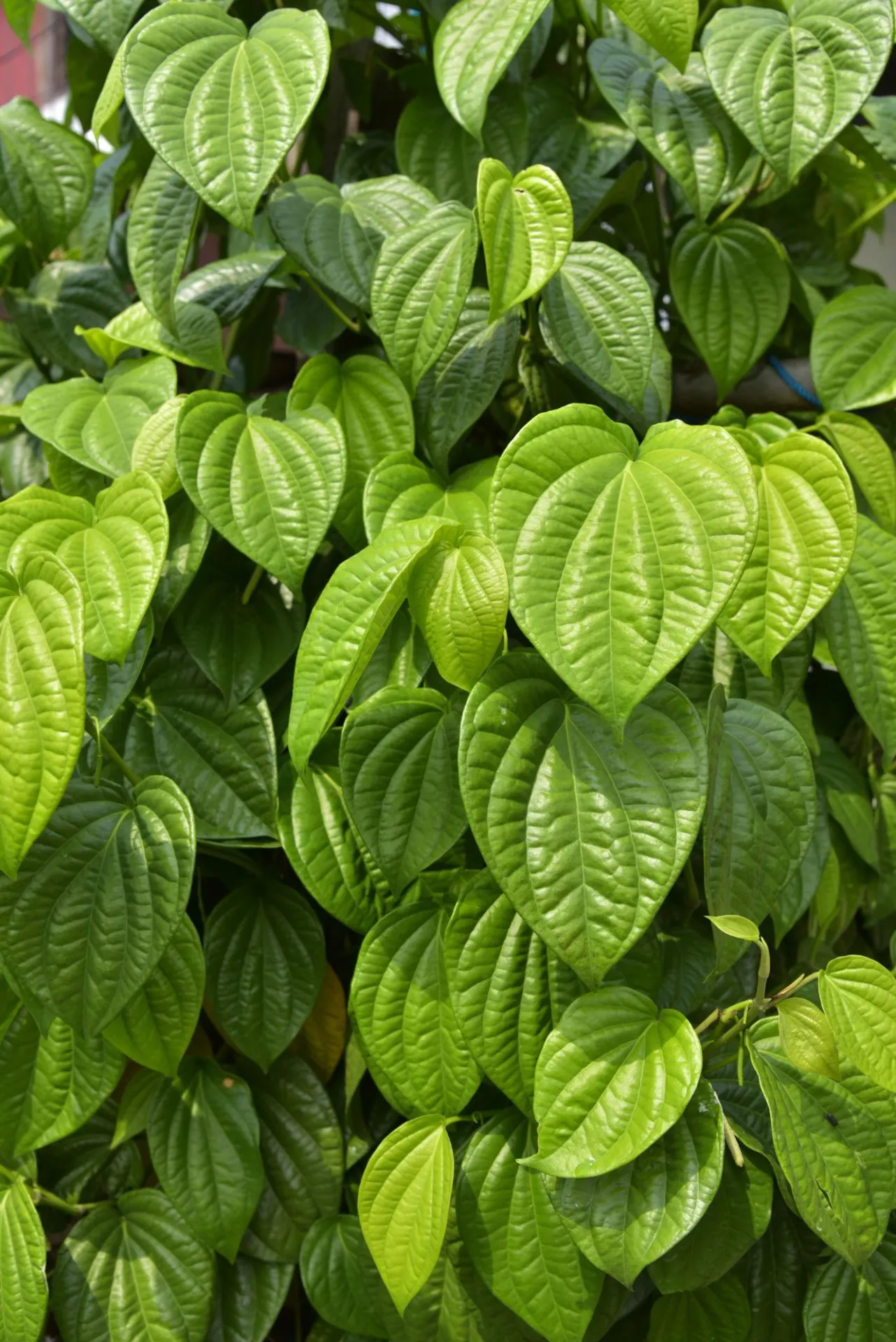
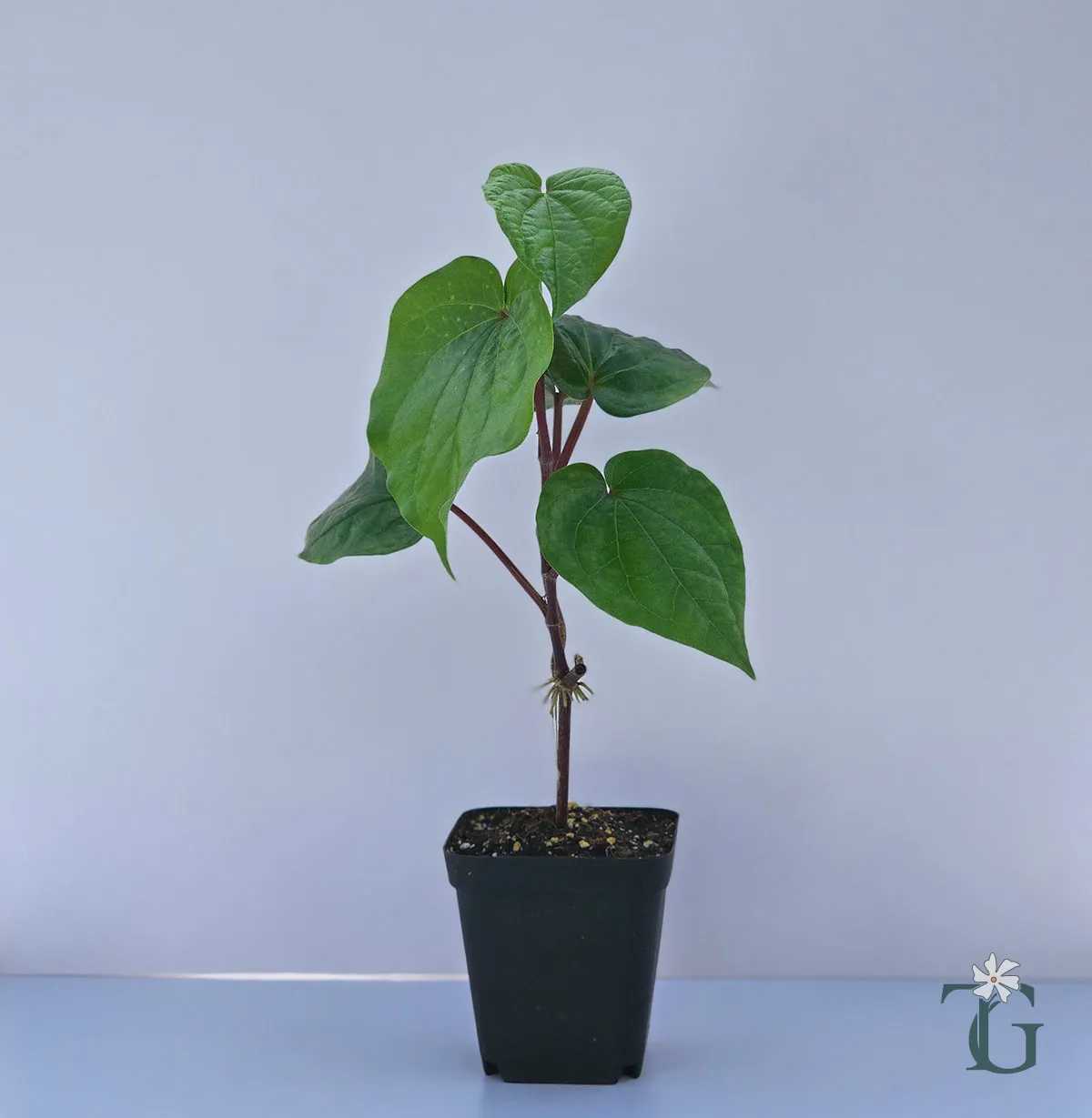
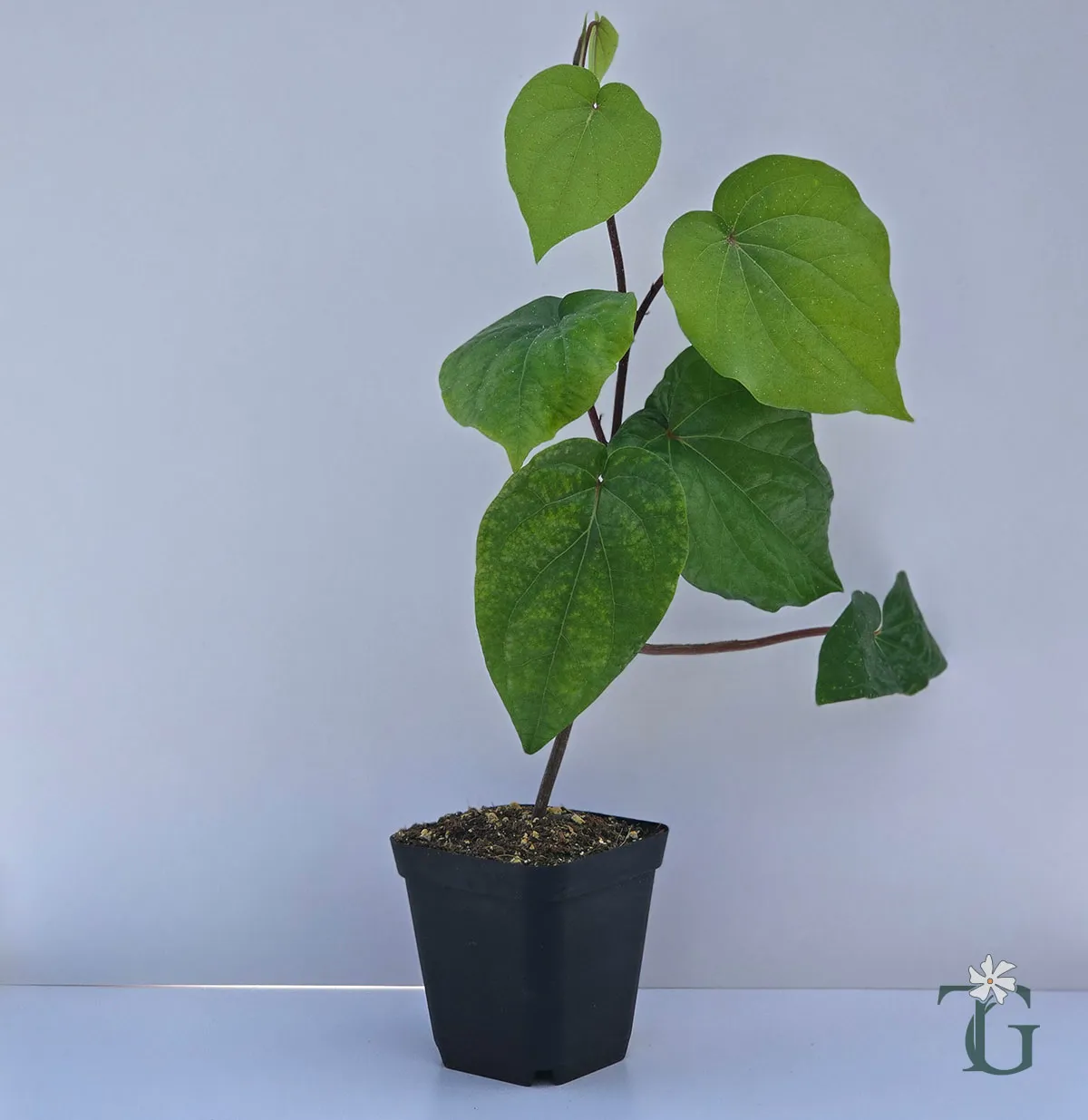
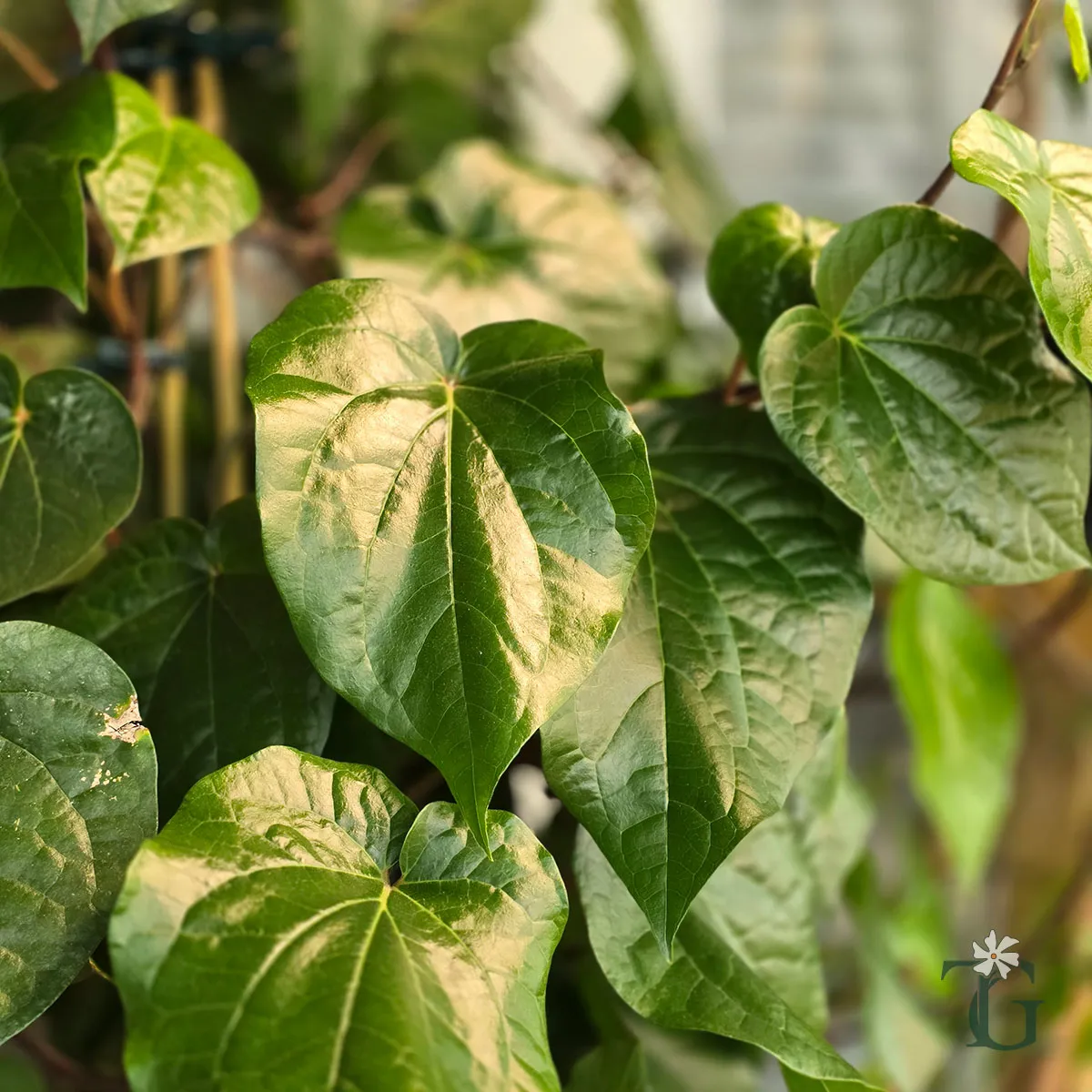
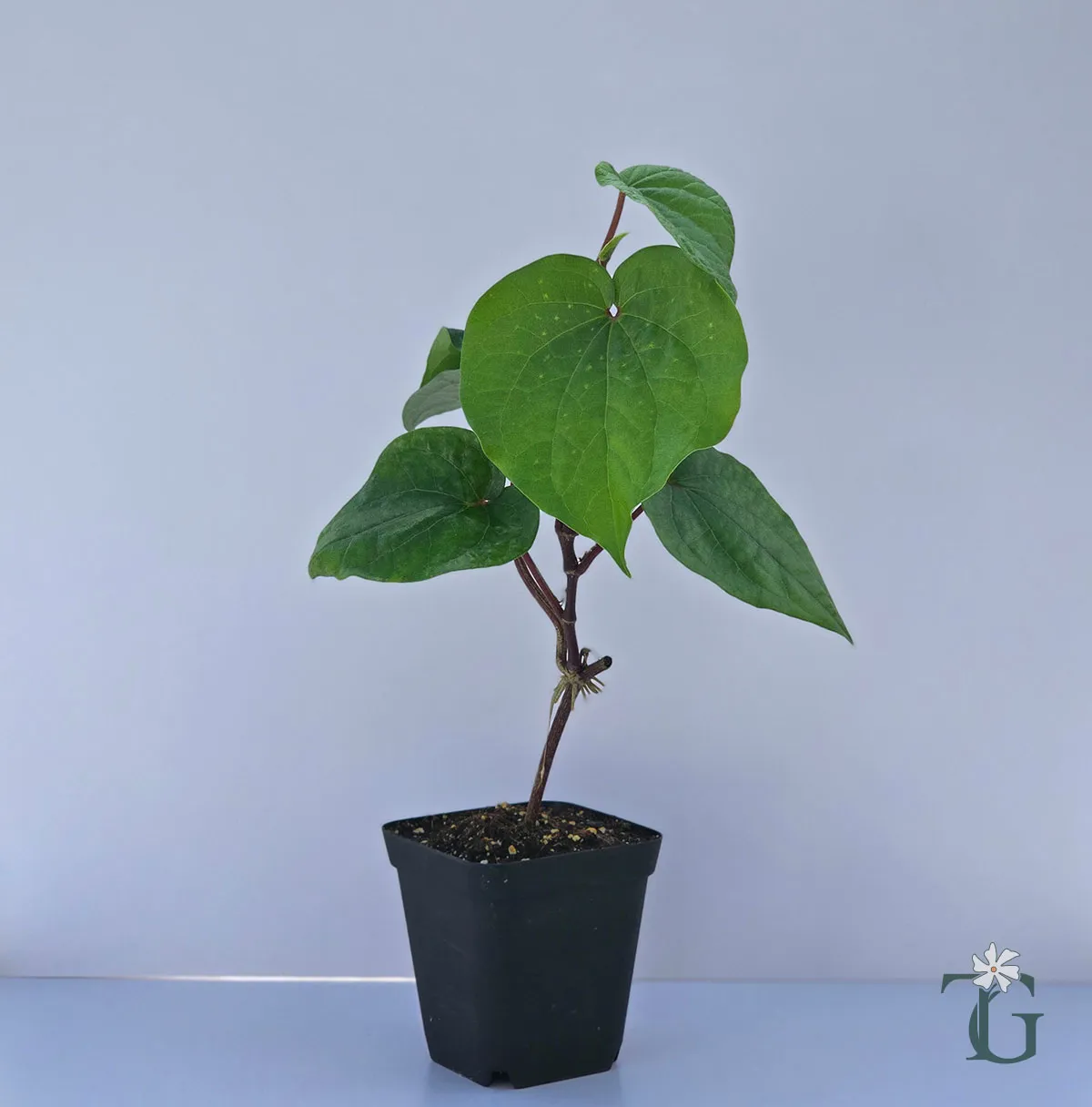
Paan is a warm climate climbing vine grown primarily for its glossy, heart shaped leaves. It prefers humidity, filtered light, and consistent care. Unlike many ornamental vines, its value lies entirely in the leaf itself.
Why people grow it
- Cultural continuity: paan is tied to ritual, hospitality, and tradition.
- Everyday utility: leaves are harvested as needed rather than all at once.
- Living ritual plant: often kept close, not tucked away.
- Familiar presence: recognized instantly by smell, texture, and appearance.
Cultural presence
Paan holds a unique place across South and Southeast Asian cultures. It appears in ceremonies, offerings, hospitality rituals, and everyday life. It is associated with welcome, respect, and continuity rather than display.
In many homes, paan is grown quietly, without signage or explanation, because it does not need one.
What to expect
Paan is sensitive to environment. It prefers warmth, humidity, and protection from harsh sun. Growth is steady rather than fast. Leaves respond best to consistent conditions rather than experimentation.
This is not a forgiving plant, but it is a rewarding one if you pay attention.
How we grow and ship it
We grow paan in controlled conditions to maintain leaf quality and vine health. Plants are shipped rooted and actively growing. After arrival, give it time to adjust before harvesting any leaves.
Disambiguation & Cultural Notes
- Not ornamental ivy: paan is grown for use, not decoration.
- Multiple regional varieties exist: leaf size, thickness, and aroma may vary.
- Humidity matters: dry air is often the biggest challenge.
- Harvest style: take individual mature leaves rather than stripping the vine.
Practical Tips
- Bright, indirect light works best
- Keep soil evenly moist, not waterlogged
- Maintain humidity when possible
- Provide gentle support for climbing
- Avoid cold drafts and sudden temperature drops