Plant profile
Details
Growth habit
Woody shrub
Mature size
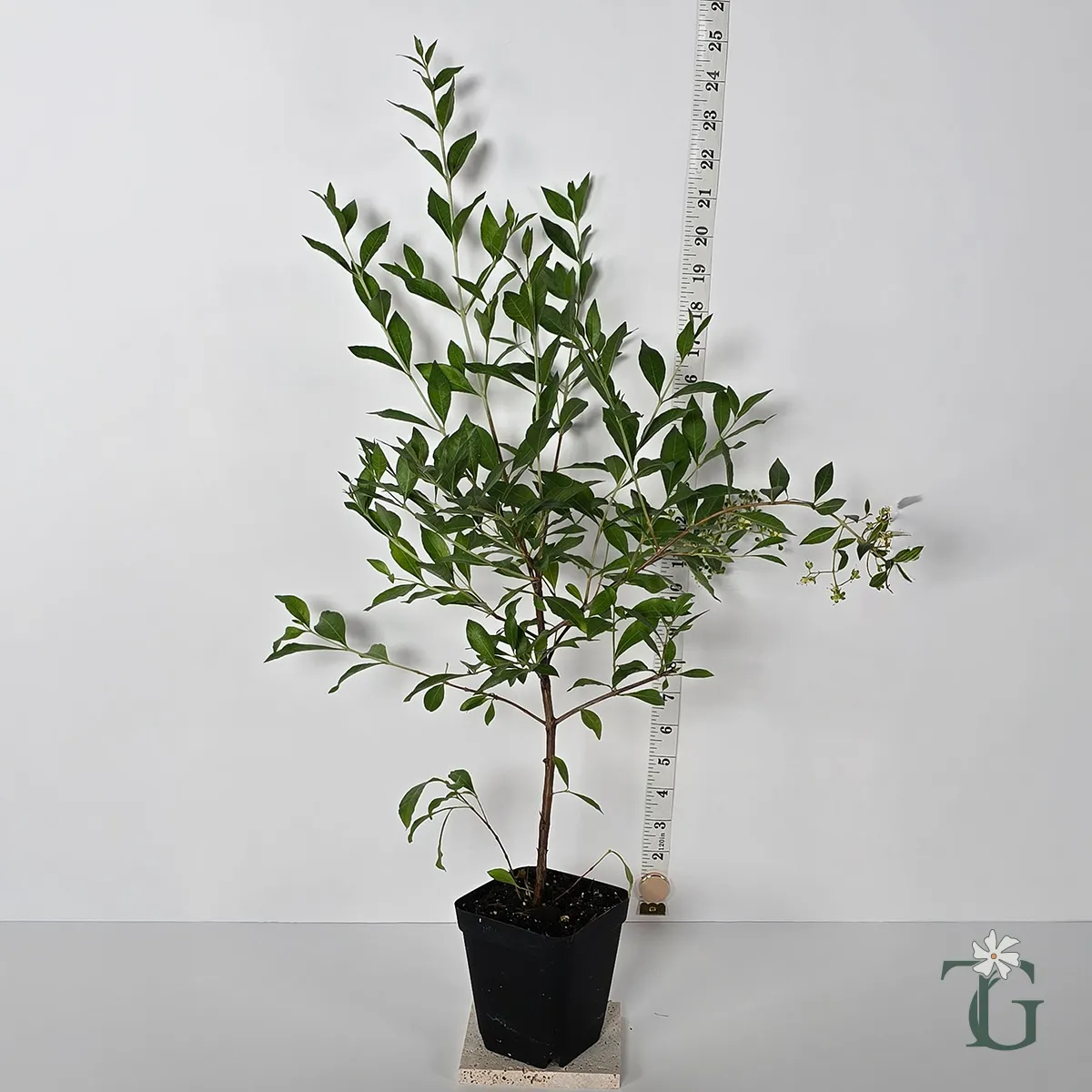
10 ft tall • 8 ft wide
Climate fit
Perennial in Zones 9–11

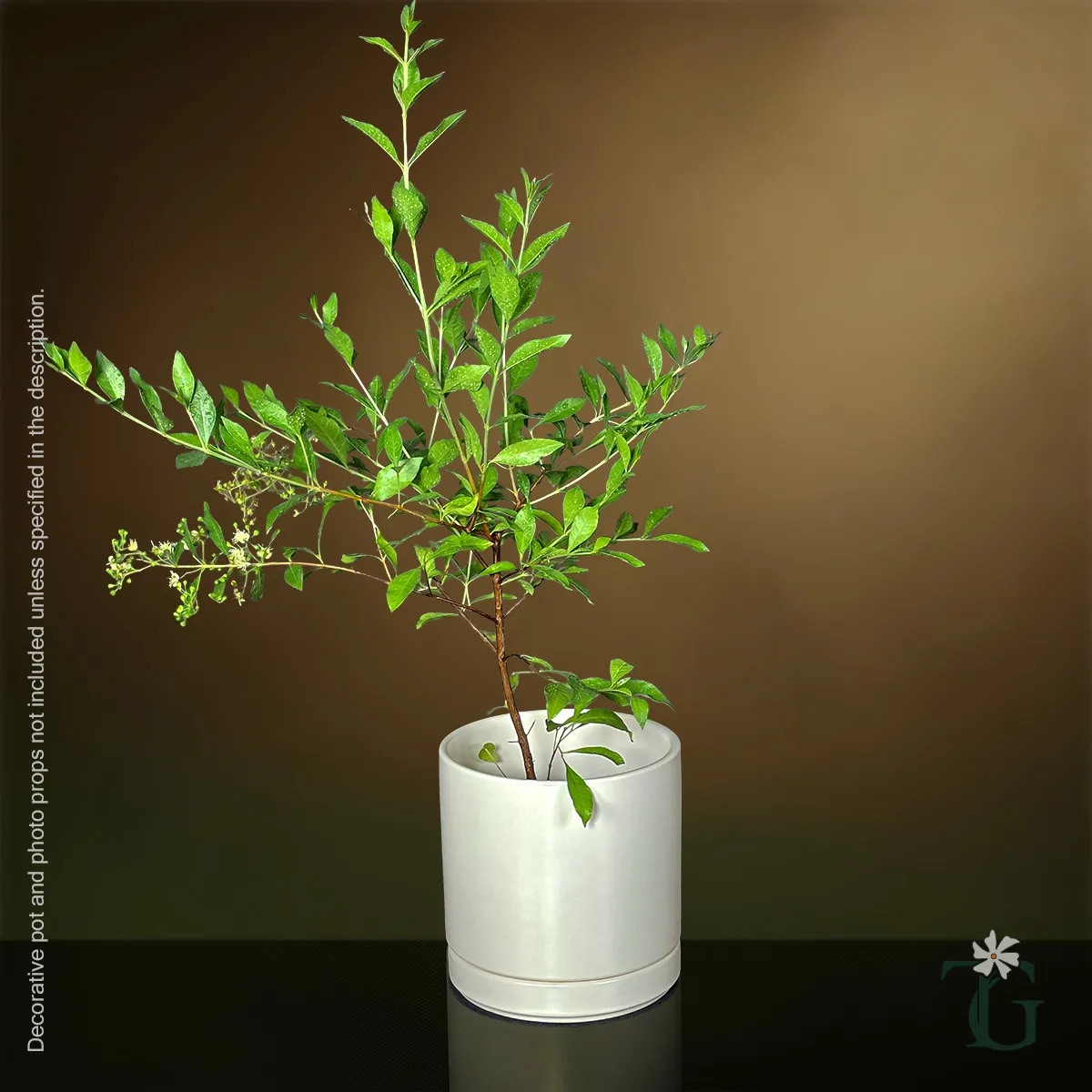
Henna (Mehndi plant)

Lawsonia inermis

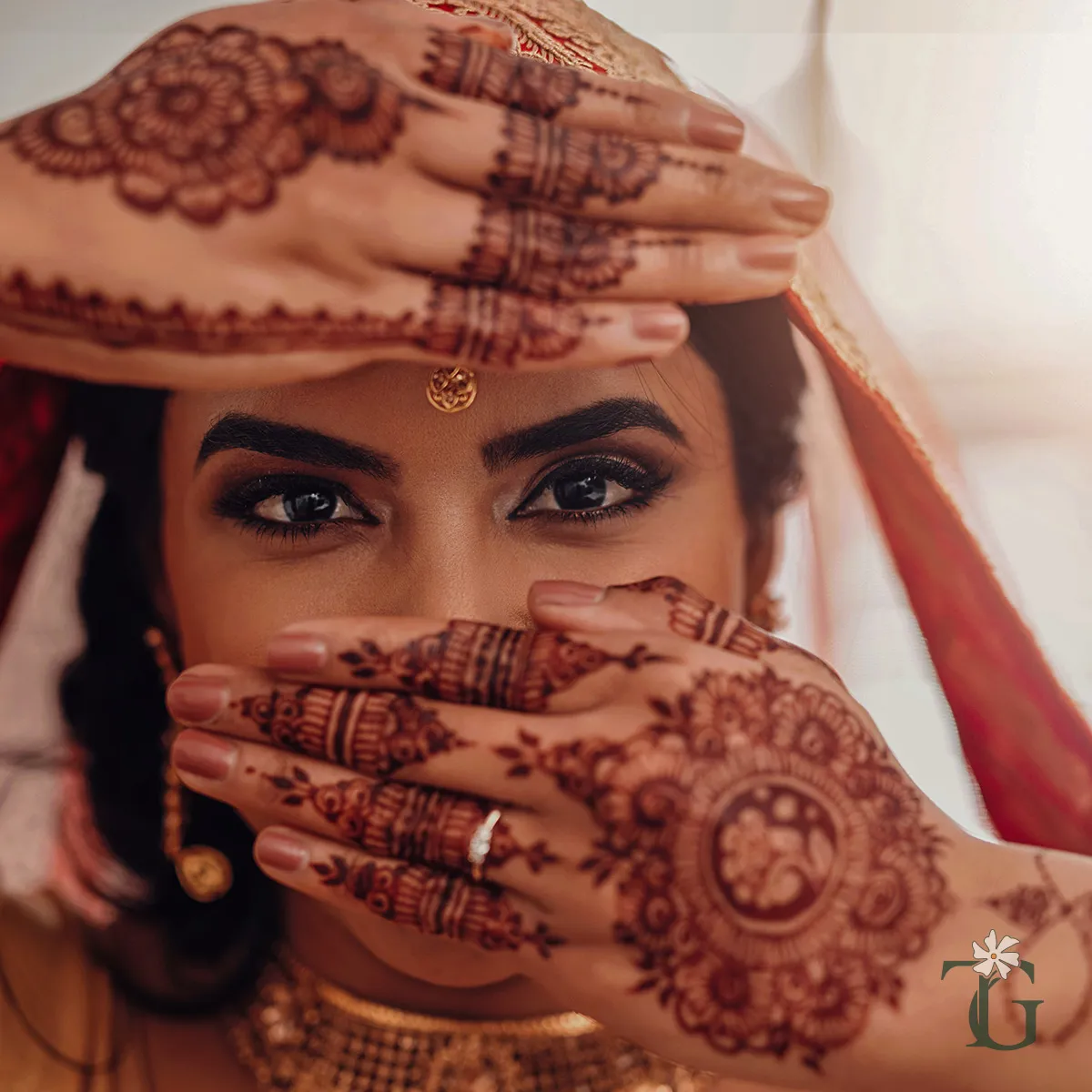
Henna is rarely grown for appearance alone. It is grown for what happens after the leaves are picked, ground, and shared. For many households, mehndi is part of preparation, weddings, festivals, and moments when life moves forward. The plant itself may sit quietly in a corner, but its role carries continuity across generations.

Available pot sizes
Out of stock
We’ll restock when ready
Care basics
Light
Full sun
Water
Let top inch dry
Soil
Well-draining
Fertilizer
Moderate feeder
Pruning
Hard prune tolerated
Cold
Hard-freeze sensitive

About this plant

Botanical snapshot
Genus Lawsonia
Species inermis
Family Lythraceae

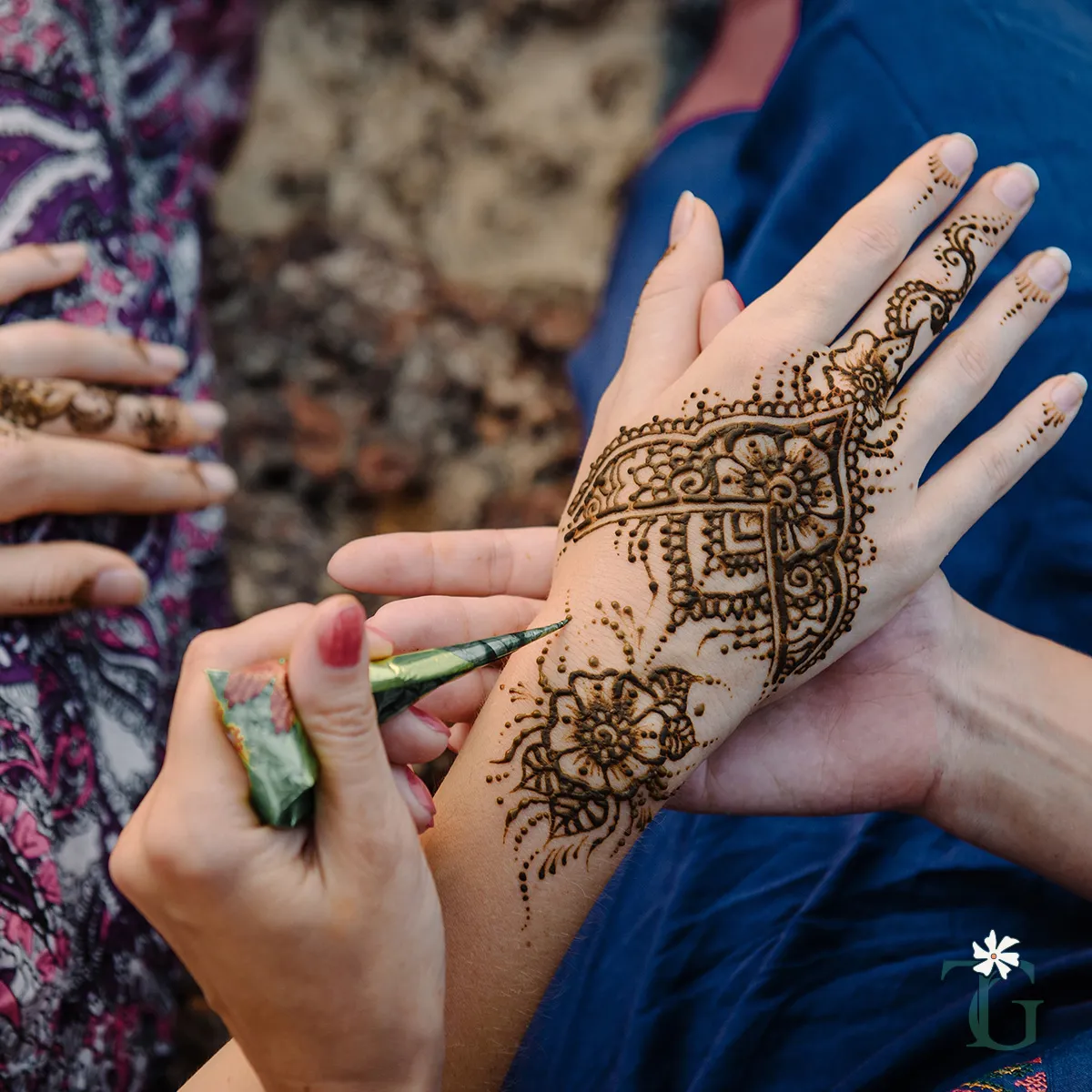
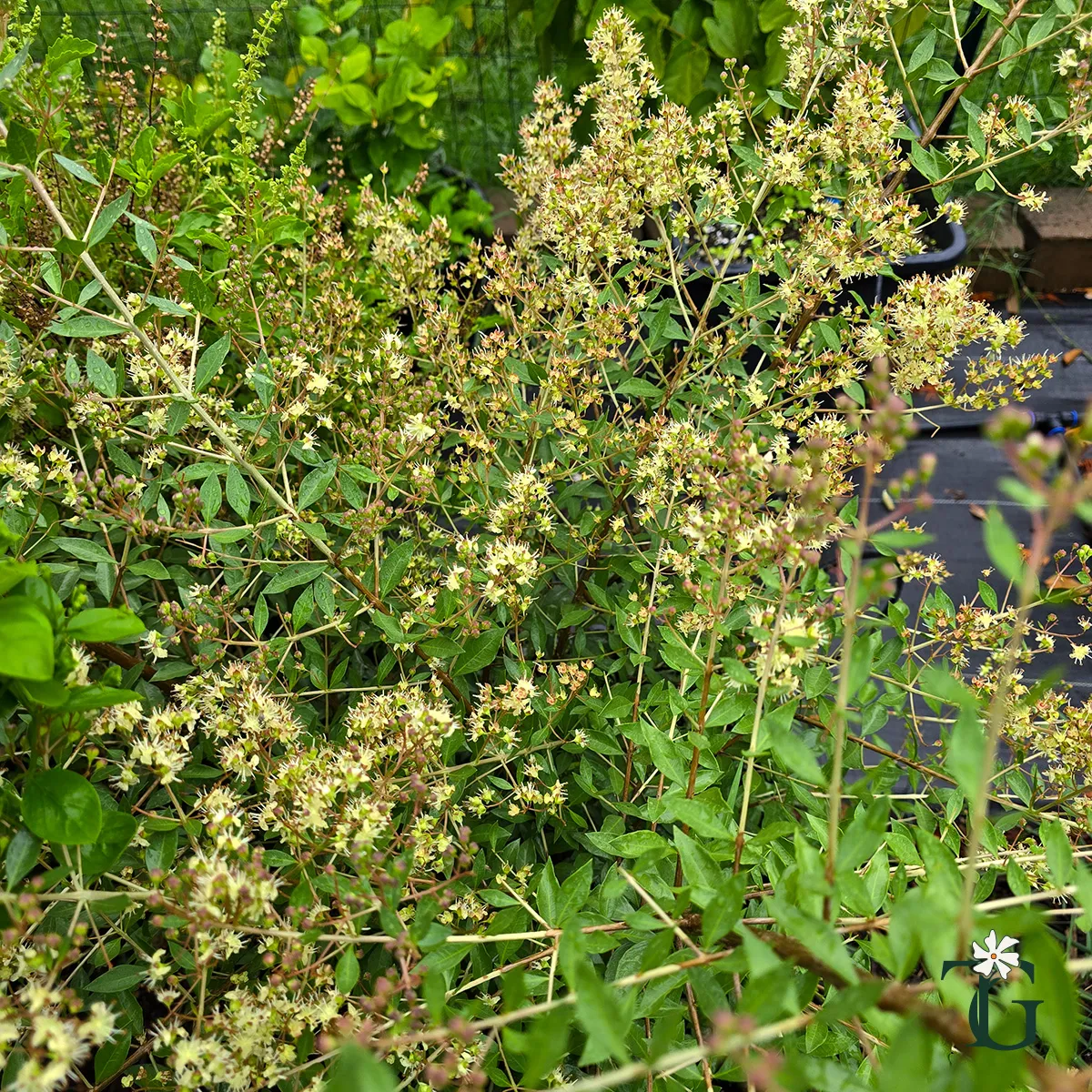
Henna, commonly known as the mehndi plant, is a warm-climate shrub valued for its leaves rather than its flowers. While it produces small, delicate blooms, the true purpose of the plant lies in the natural dye released when the leaves are processed and applied.

Why people keep it

  • Ceremonial presence: associated with weddings, festivals, and shagun traditions.
  • Shared preparation: applying mehndi is often a group activity involving conversation and anticipation.
  • Symbolic meaning: deeper color is playfully linked with love, acceptance, and good fortune.
  • Cultural continuity: passed between families as cuttings or seeds rather than bought casually.

What to expect

Henna grows steadily in warm conditions and responds well to pruning, which encourages fuller branching. Leaves suitable for use develop once the plant matures. Growth may appear slow at first, but becomes more reliable as the shrub settles.

How we grow and ship it

We grow henna for healthy leaf production and branching strength rather than flowering. Plants are shipped while actively growing. After transit, provide warmth and allow time for adjustment before shaping or harvesting.

Disambiguation & Cultural Notes

  • Multiple mehndi types: leaf size, thorn presence, and color intensity can vary across regions.
  • Thin vs broad leaves: both forms can belong to the same species depending on climate and pruning.
  • Ceremonial association: mehndi is often considered part of auspicious beginnings rather than daily decoration.
  • Lore and belief: traditions suggest deeper stain color reflects affection or acceptance, a belief shared playfully across generations.
  • Not primarily ornamental: the plant is valued for use and meaning rather than visual display.

Practical Tips

  • Prefers bright light and warmth for healthy growth.
  • Regular trimming encourages bushier structure.
  • Avoid overwatering, roots prefer well-drained soil.
  • Allow the plant to mature before harvesting leaves heavily.

Full care guide

The details behind the basics.
Light
Full sun
Grow Henna in full sun for best vigor and flowering. In extreme heat, provide consistent watering and consider light afternoon shade.
Water
Let top inch dry
Water Henna thoroughly, then let the top inch of soil dry before watering again. Don’t keep the pot constantly wet.
Soil
Well-draining
Use a well-draining mix for Henna. The goal is moisture retention without staying soggy—drainage is non-negotiable.
Fertilizer
Moderate feeder
Feed Henna regularly during the growing season with a balanced fertilizer. Reduce or pause feeding when growth slows.
Pruning
Hard prune tolerated
Henna can handle a harder prune when needed. Cut back to healthy growth and allow time for recovery during the growing season.
Cold
Hard-freeze sensitive
Henna may handle cool weather but can die back or be killed by a hard freeze. Provide protection or plan to overwinter indoors.
Pests
Generally resistant
Henna is usually not a pest magnet. Basic hygiene and airflow are typically enough to keep it happy.
Toxicity
Toxic if ingested
Henna may cause issues if ingested. Keep away from children and pets and seek help if ingestion occurs.