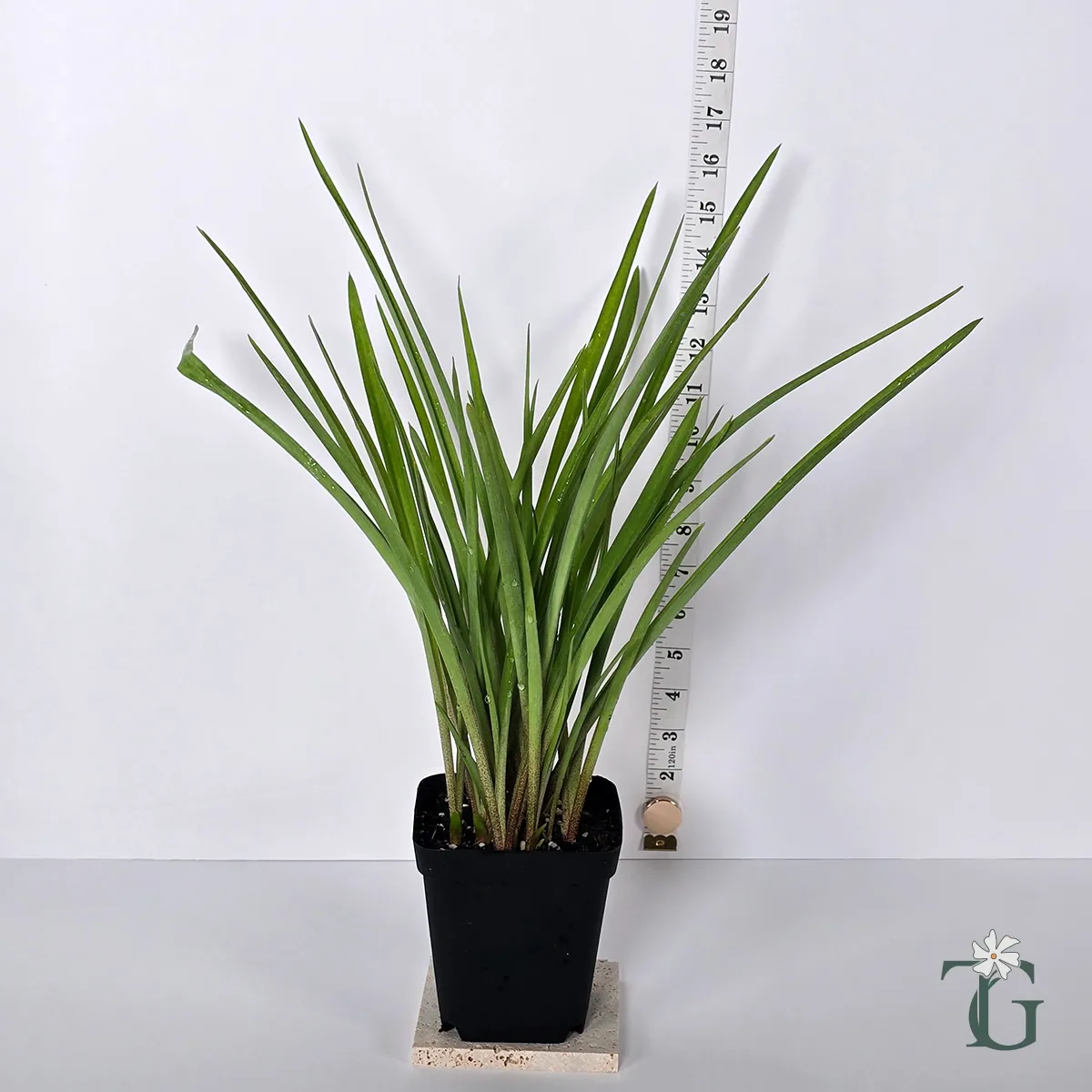
Plant profile
Details
Growth habit
Clumping perennial bulb
Mature size
3 ft tall • 1 ft 6" wide
Climate fit
Perennial in Zones 8–11

Rajnigandha (Double Tuberose)

Polianthes tuberosa

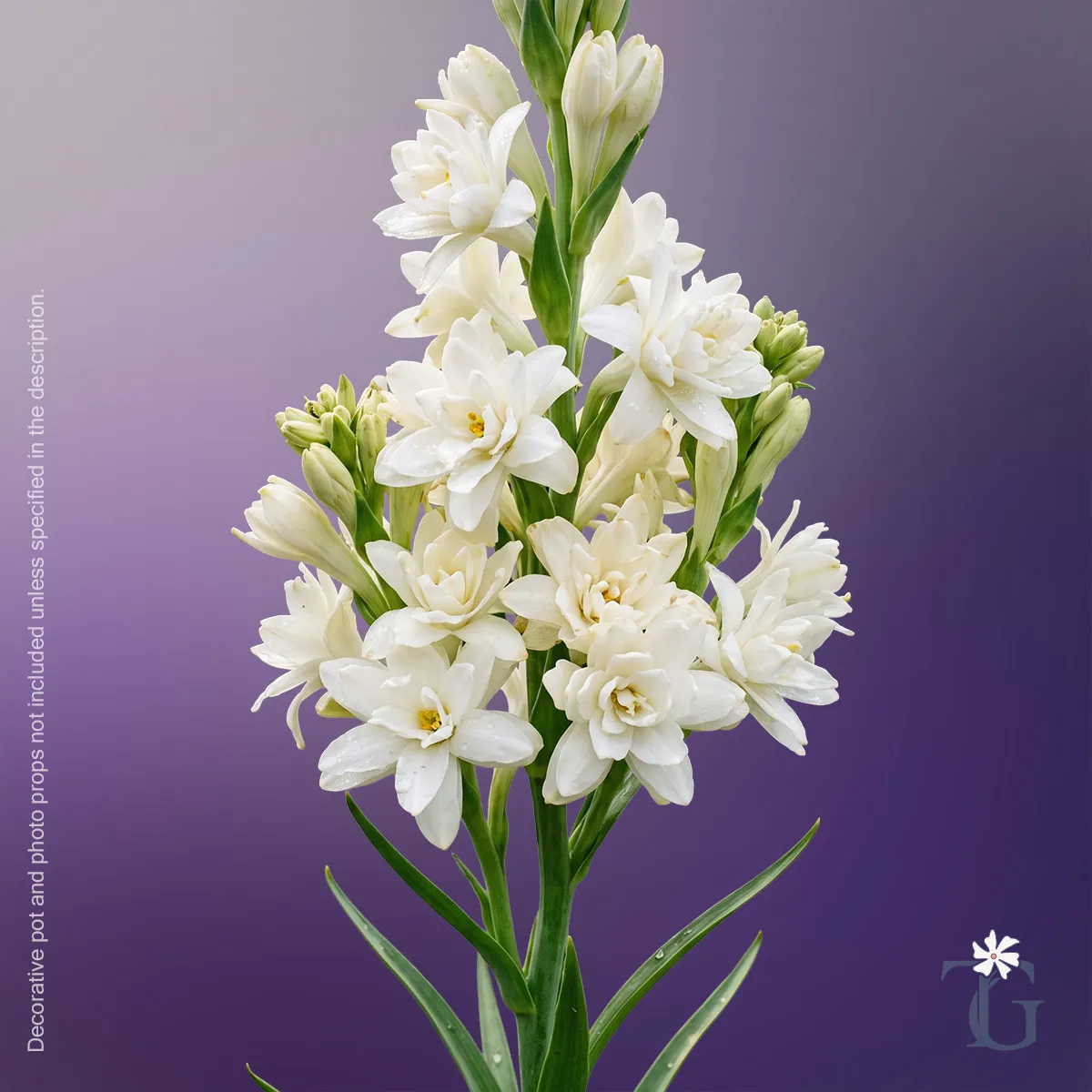
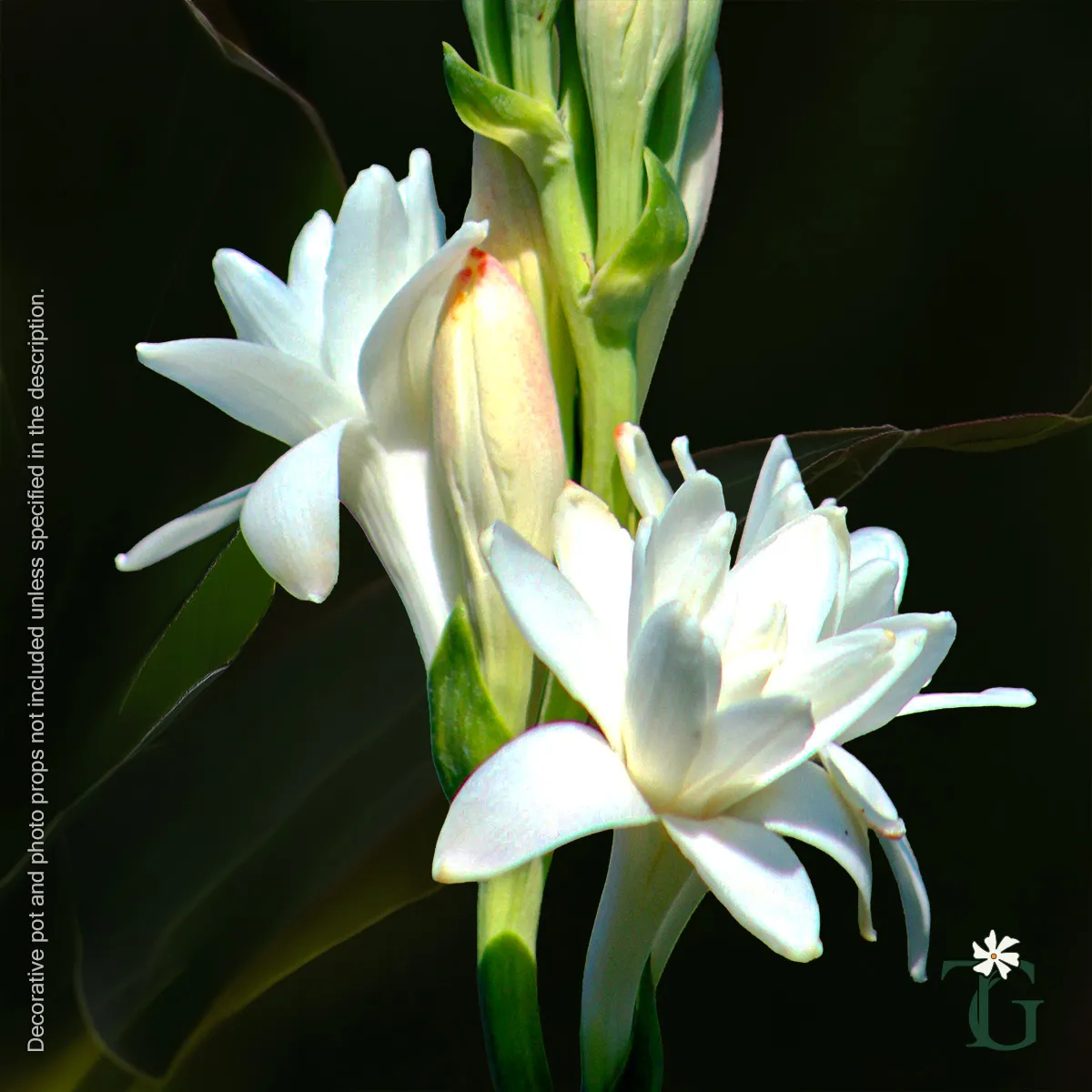
Double Rajnigandha carries the same familiarity as the single form, but with a fuller visual character. The layered petals create a softer, more decorative bloom that often appears in celebrations and arrangements where appearance matters alongside scent. For many, the memory is tied to gatherings where flowers were chosen carefully, not casually.

Available pot sizes
Out of stock
We’ll restock when ready
Care basics
Light
Full sun
Water
Let top inch dry
Soil
Well-draining
Fertilizer
Moderate feeder
Pruning
Minimal pruning
Cold
Freeze sensitive

About this plant

Botanical snapshot
Genus Agave
Species amica
Cultivar Double
Family Asparagaceae

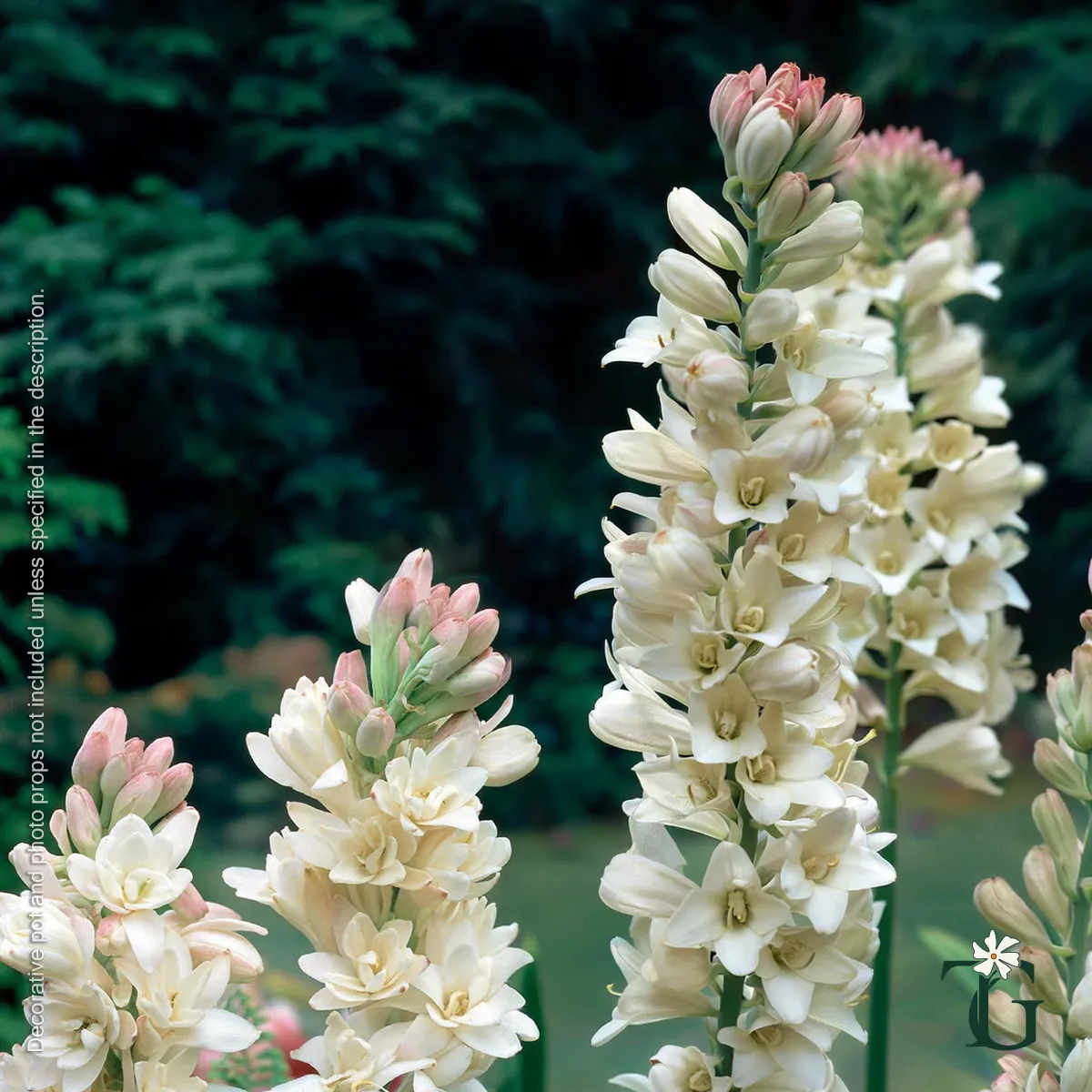
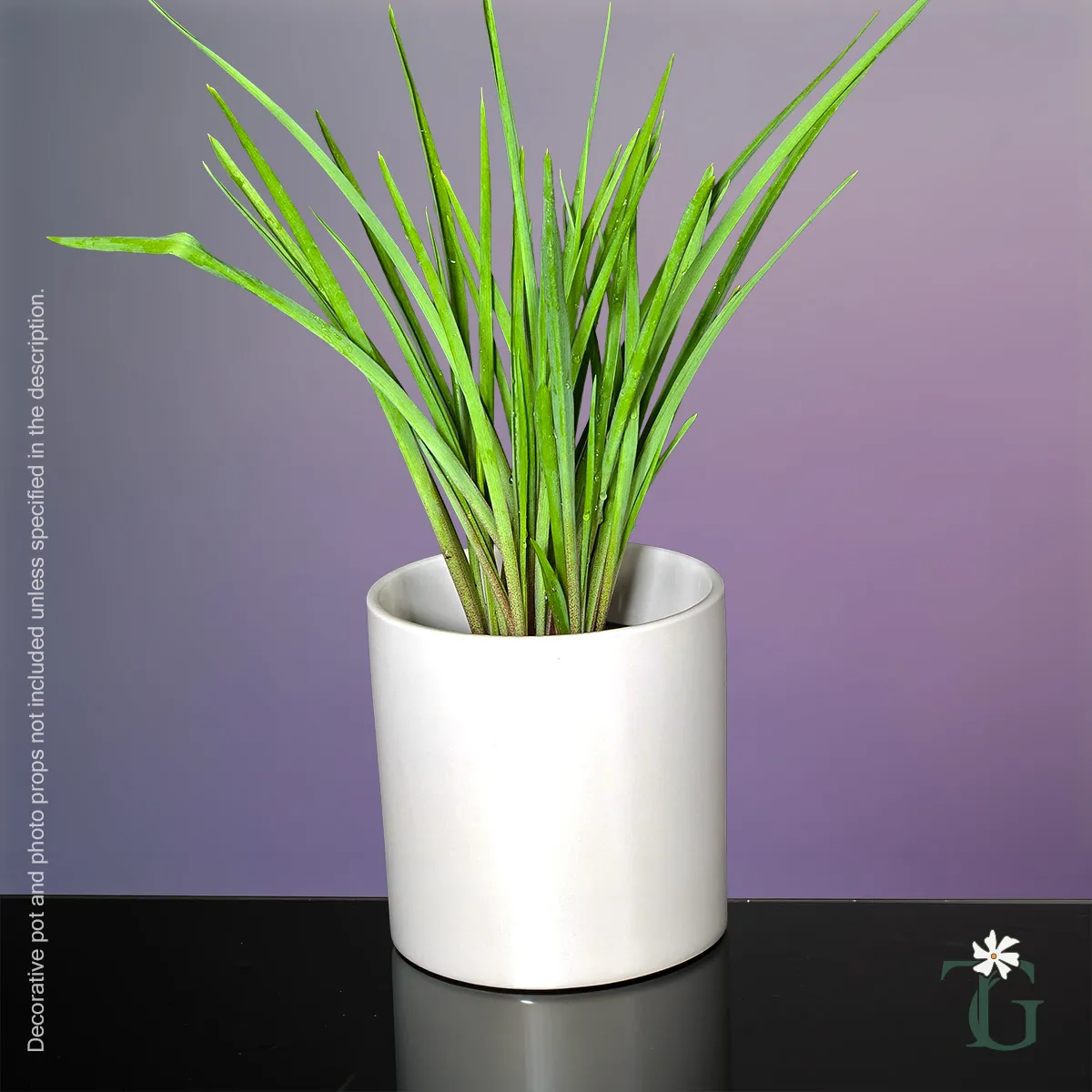
Double Rajnigandha grows from bulbs that produce tall spikes lined with layered white blossoms. Flowers open gradually along the stem, creating a fuller look compared to the single variety. The plant follows a seasonal rhythm, storing energy in the bulb before returning for future bloom cycles.

Why people keep it

  • Visual fullness: layered petals create a softer, more decorative bloom.
  • Ceremonial presence: often used where floral arrangements are meant to be seen as much as smelled.
  • Gradual opening: blooms unfold over several days, extending the experience.
  • Familiar fragrance: scent remains present, though often gentler than the single variety.

What to expect

Double Rajnigandha grows upright and prefers warm conditions. Bloom spikes may take time to develop, but once they appear, flowers open in sequence along the stem. After flowering, the plant returns energy to the bulb rather than producing continuous blooms.

How we grow and ship it

We grow Double Rajnigandha from well-established bulbs to support healthy spikes. Plants or bulbs are shipped with care to minimize stress. After transit, provide warmth and steady watering while new growth establishes.

Disambiguation & Cultural Notes

  • Single vs double forms: Single varieties are often known for stronger fragrance, while double forms are chosen for fuller appearance.
  • Celebration use: Double Rajnigandha is commonly seen in decorative arrangements for events where visual impact is valued.
  • Fragrance tradition: While scent may be softer than the single form, it still carries the recognizable Rajnigandha presence.
  • Shared memory: For many, this variety is tied to occasions where flowers marked joy, gathering, and hospitality.

Practical Tips

  • Prefers bright light and warmth for consistent bloom cycles.
  • Ensure good drainage, bulbs dislike overly wet soil.
  • Allow foliage to mature after bloom to support future flowering.
  • Best placed where flowers can be appreciated up close.

Full care guide

The details behind the basics.
Light
Full sun
Grow Rajnigandha in full sun for best vigor and flowering. In extreme heat, provide consistent watering and consider light afternoon shade.
Water
Let top inch dry
Water Rajnigandha thoroughly, then let the top inch of soil dry before watering again. Don’t keep the pot constantly wet.
Soil
Well-draining
Use a well-draining mix for Rajnigandha. The goal is moisture retention without staying soggy—drainage is non-negotiable.
Fertilizer
Moderate feeder
Feed Rajnigandha regularly during the growing season with a balanced fertilizer. Reduce or pause feeding when growth slows.
Pruning
Minimal pruning
Rajnigandha needs little pruning—remove dead, damaged, or crossing stems and shape lightly as needed.
Cold
Freeze sensitive
Rajnigandha will suffer below ~32°F. In cold climates, treat it as an annual or overwinter it indoors until frost danger passes.
Pests
Moderate risk
Rajnigandha can attract common pests under stress. Watch for early signs, maintain airflow, and avoid overwatering and low light.
Toxicity
Toxic to pets
Rajnigandha may be toxic to pets if chewed or ingested. Keep it out of reach and contact a vet if ingestion is suspected.