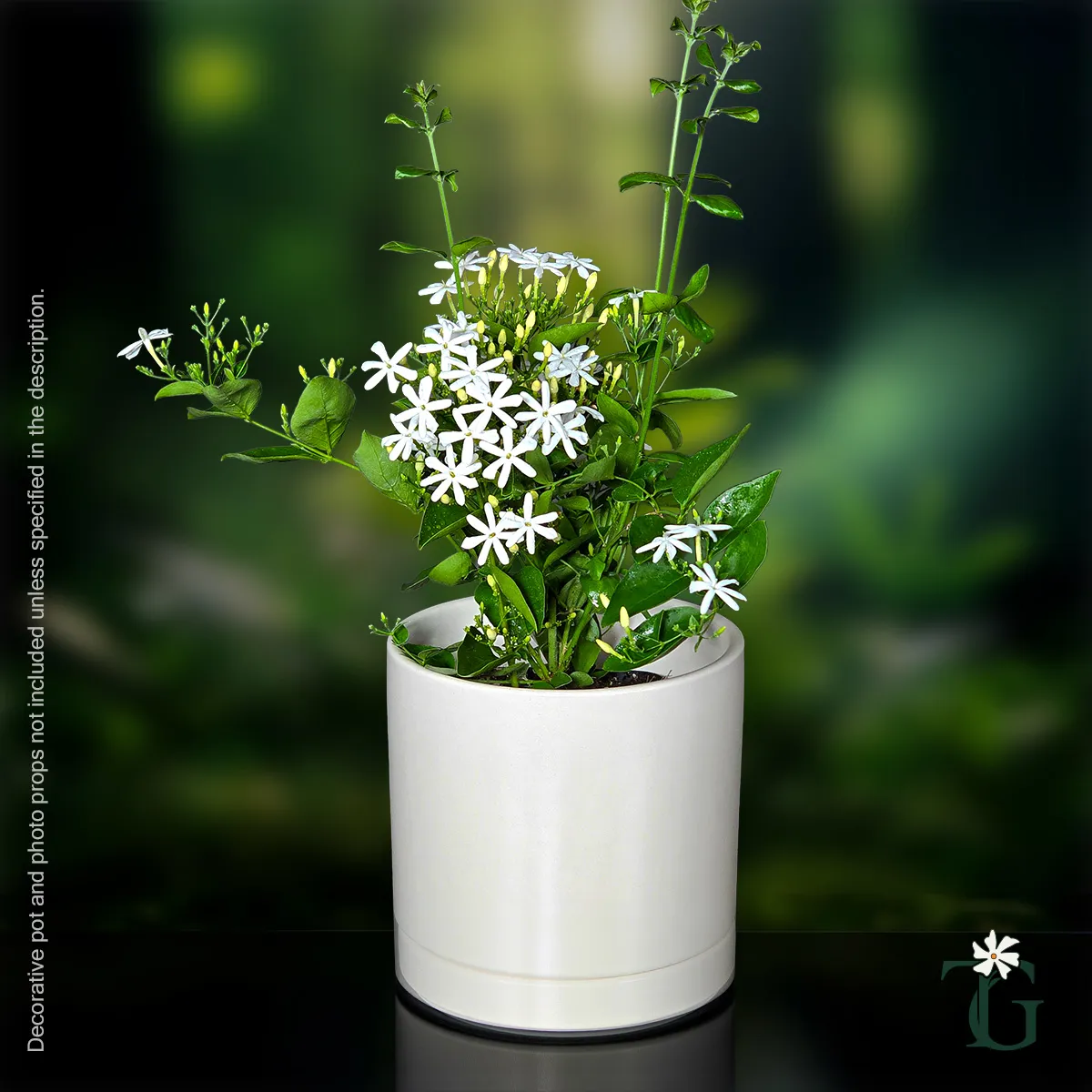
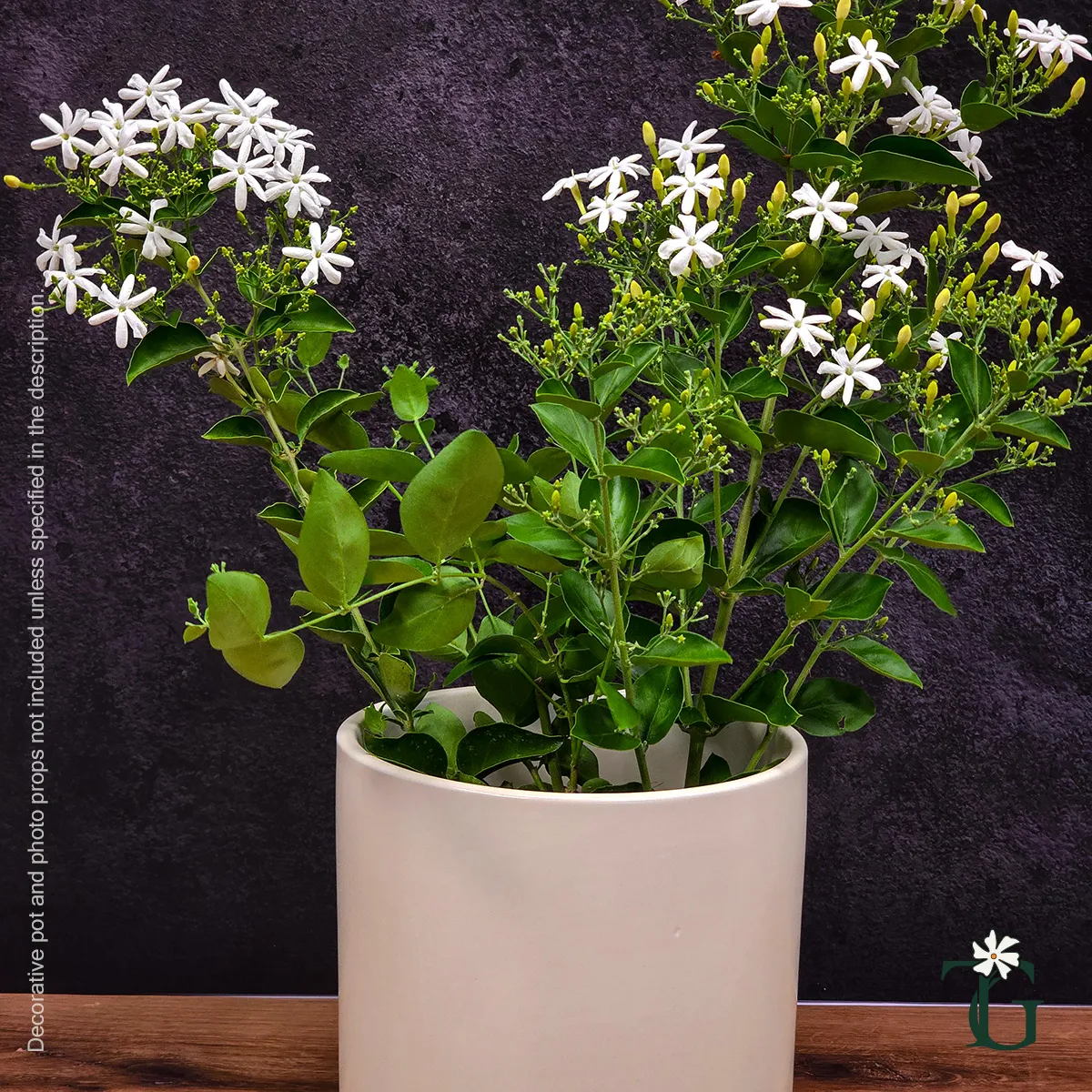
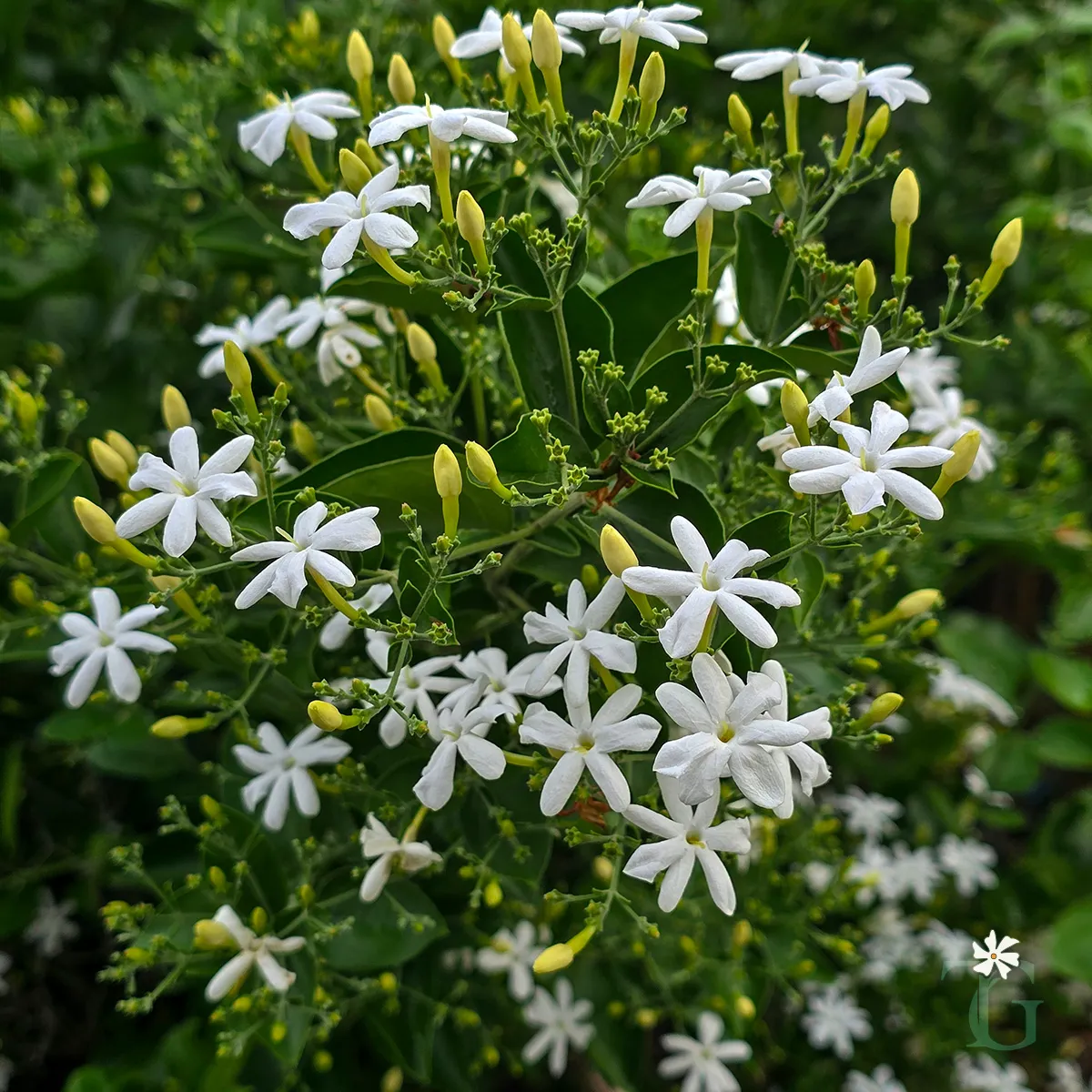
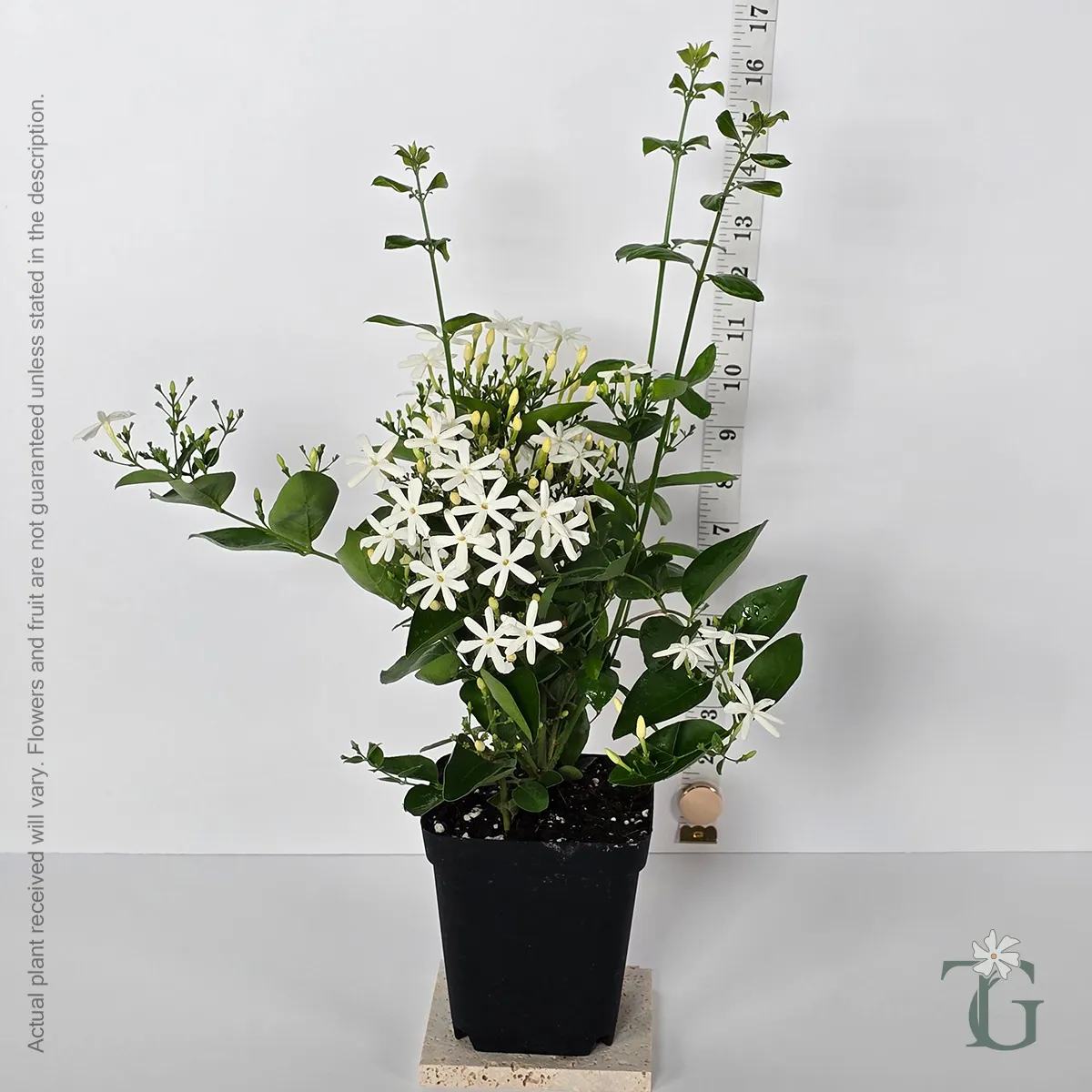
Juhi or Jui is commonly identified with jasmine varieties known for smaller white blooms and gentle but noticeable fragrance. The flowers are suited for close use, which is why they are widely chosen for garlands and daily adornment. Blooming happens in cycles, especially in warm conditions.
Why people keep it
- Personal fragrance: meant to be experienced at arm’s length rather than across a garden.
- Cultural familiarity: associated with hair adornment, temple offerings, and everyday rituals.
- Emotional connection: many remember someone in the family who never passed a jasmine seller without stopping.
- Fragrance polarity: for some, the scent is calming and grounding. For others, it is intense enough to be unforgettable.
Cultural presence
Juhi or Jui has long been part of daily adornment traditions. In many households, bringing home fresh jasmine was not considered indulgence but affection. The act of offering a strand of flowers often carried unspoken meaning, care, attention, remembrance.
Markets known for jasmine are remembered less for their names and more for their atmosphere. Piles of white blooms, hands moving quickly to string garlands, fragrance filling entire streets. For many, these memories remain vivid long after they leave those places behind.
What to expect
Juhi grows steadily with warmth and benefits from regular trimming. Blooming improves with sunlight and consistent watering. The plant can remain compact or lightly climbing depending on how it is shaped.
How we grow and ship it
We grow Juhi for healthy branching before encouraging heavy bloom. Plants are shipped while actively growing. After transit, allow time for adjustment before reshaping or repotting.
Disambiguation & Cultural Notes
- Juhi vs Jui: both names are used regionally, often referring to similar jasmine types valued for daily wear rather than ornamental display.
- Different from mogra: Juhi/Jui flowers are typically smaller and softer in fragrance compared to Arabian jasmine.
- Temple use: commonly seen in offerings and devotional settings across regions.
- Shared memory: many associate this flower with gestures of affection rather than formal occasions.
Practical Tips
- Prefers bright light for consistent flowering.
- Regular picking encourages new buds.
- Avoid overly wet soil, good drainage supports healthier growth.
- Best placed where blooms can be appreciated up close.