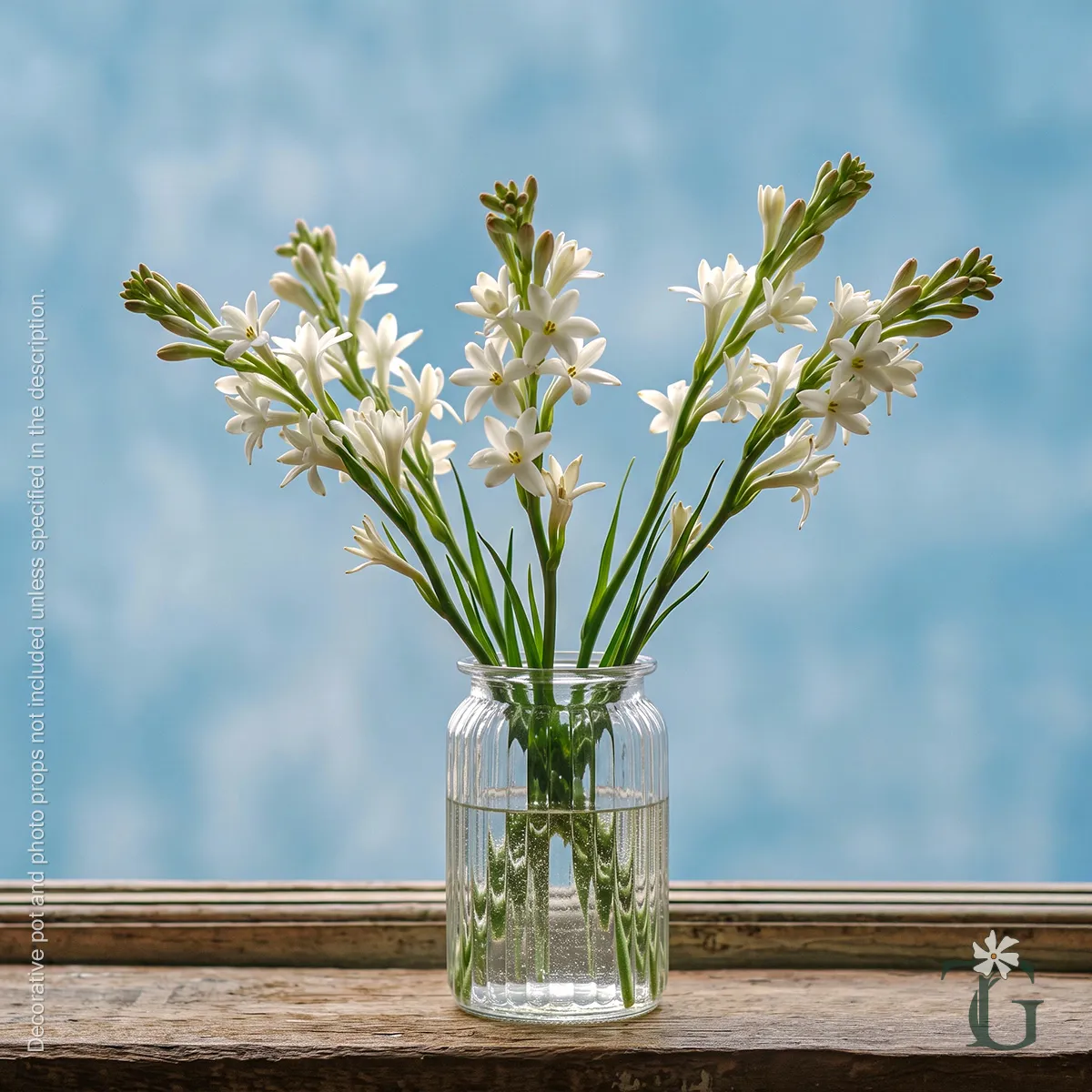
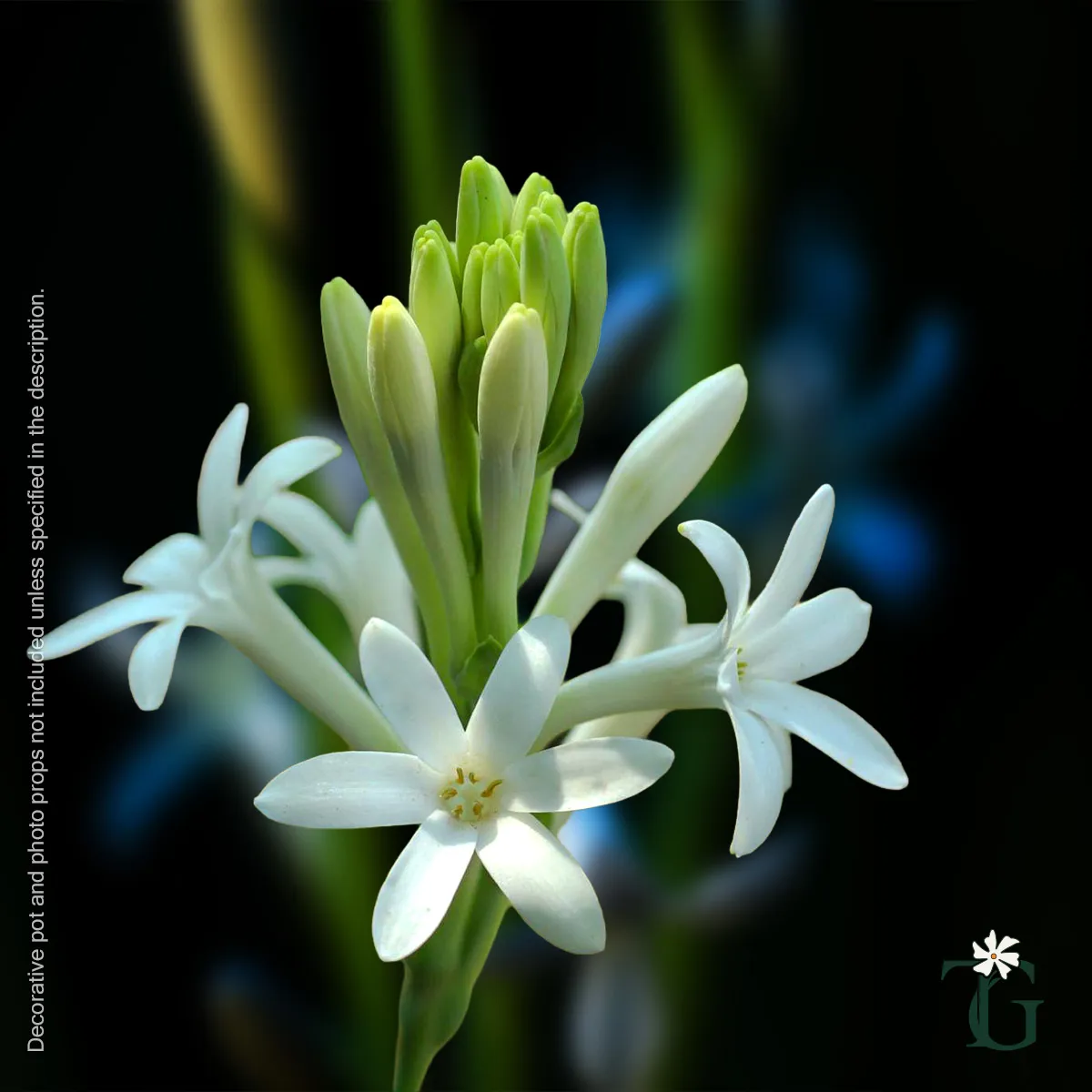
Rajnigandha grows from bulbs that produce tall stems lined with white blossoms. In the single variety, flowers open gradually along the spike, allowing fragrance to develop over several days. The plant follows a seasonal rhythm, storing energy in the bulb before returning again.
Why people keep it
- Fragrance with memory: scent becomes stronger as evening approaches and often signals celebration or gathering.
- Ceremonial presence: widely used in weddings and traditional events where flowers are chosen for atmosphere rather than display.
- Gradual bloom: flowers open in sequence, allowing the experience to unfold over time.
- Shared familiarity: the fragrance is often recognized even by those who cannot name the plant.
What to expect
Rajnigandha grows upright and prefers warmth. Bloom spikes may take time to appear, but once they do, flowers continue opening along the stem for several days. After flowering, the plant redirects energy back to the bulb, preparing for future cycles rather than immediate repetition.
How we grow and ship it
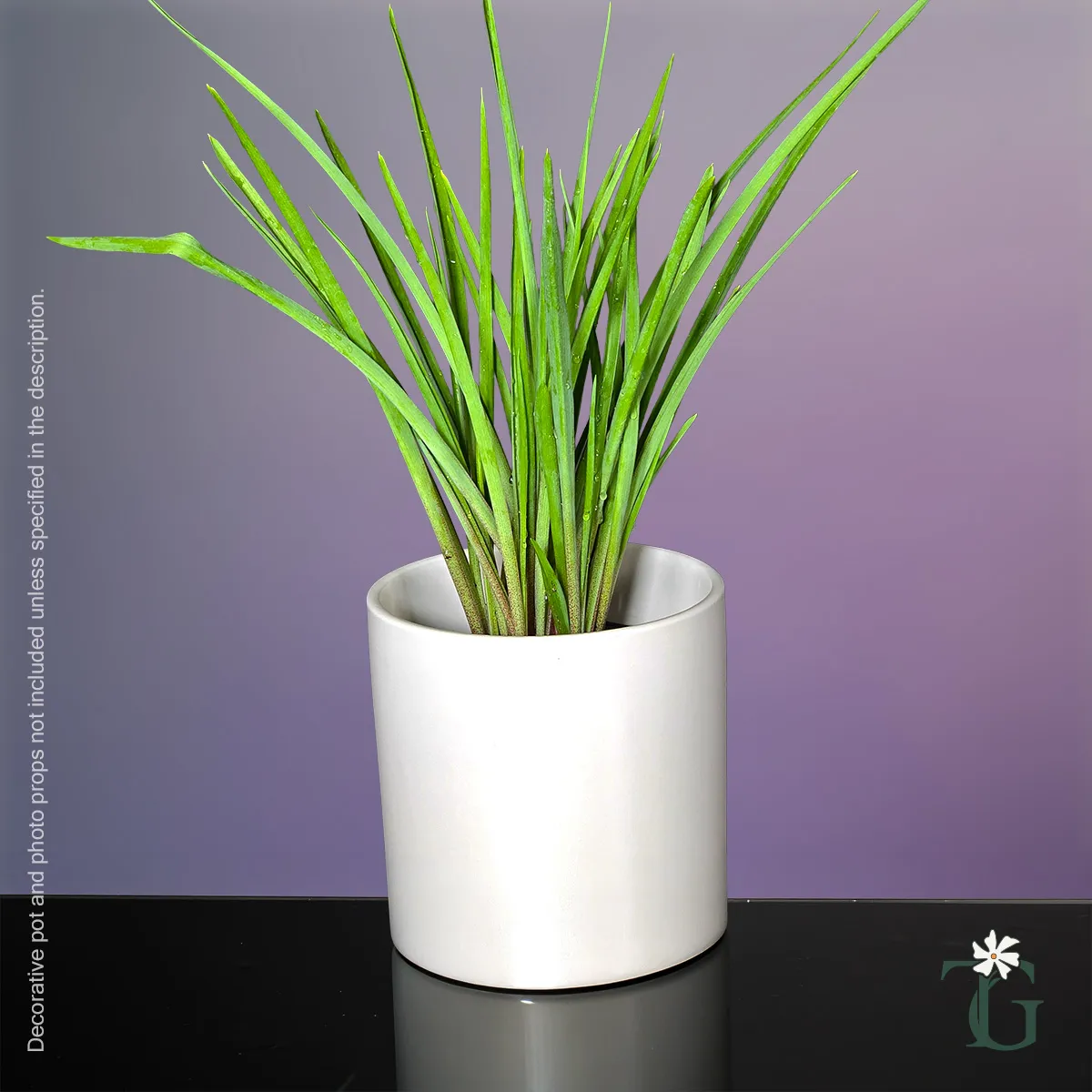
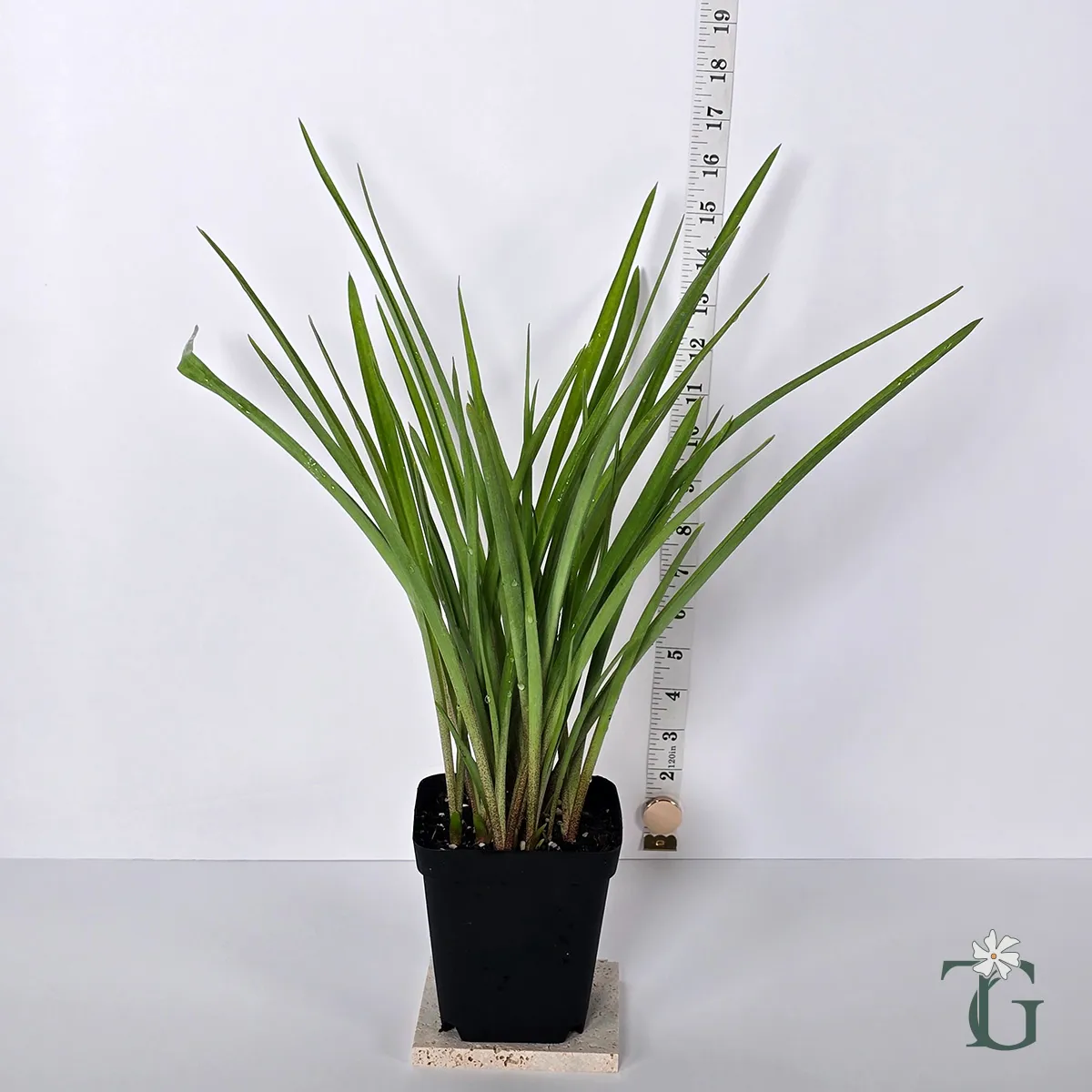
We grow Rajnigandha from healthy bulbs that are allowed to establish before encouraging bloom. Plants or bulbs are shipped with attention to minimizing stress. After transit, provide warmth and steady care while new growth develops.
Disambiguation & Cultural Notes
- Single vs double forms: Single-petal varieties are often valued for stronger fragrance, while double forms are appreciated for visual fullness.
- Ceremonial role: Rajnigandha is frequently associated with weddings and gatherings where scent shapes the atmosphere.
- Fragrance tradition: The scent has long been used in perfumery for its depth and lingering presence.
- Cultural memory: For many, Rajnigandha signals occasion rather than decoration, it marks moments rather than filling space.
Practical Tips
- Prefers bright light and warmth for reliable flowering.
- Avoid overly wet soil, bulbs benefit from good drainage.
- Allow foliage to mature after bloom to support future cycles.
- Best enjoyed where fragrance can gather naturally.