Plant profile
Details
Growth habit
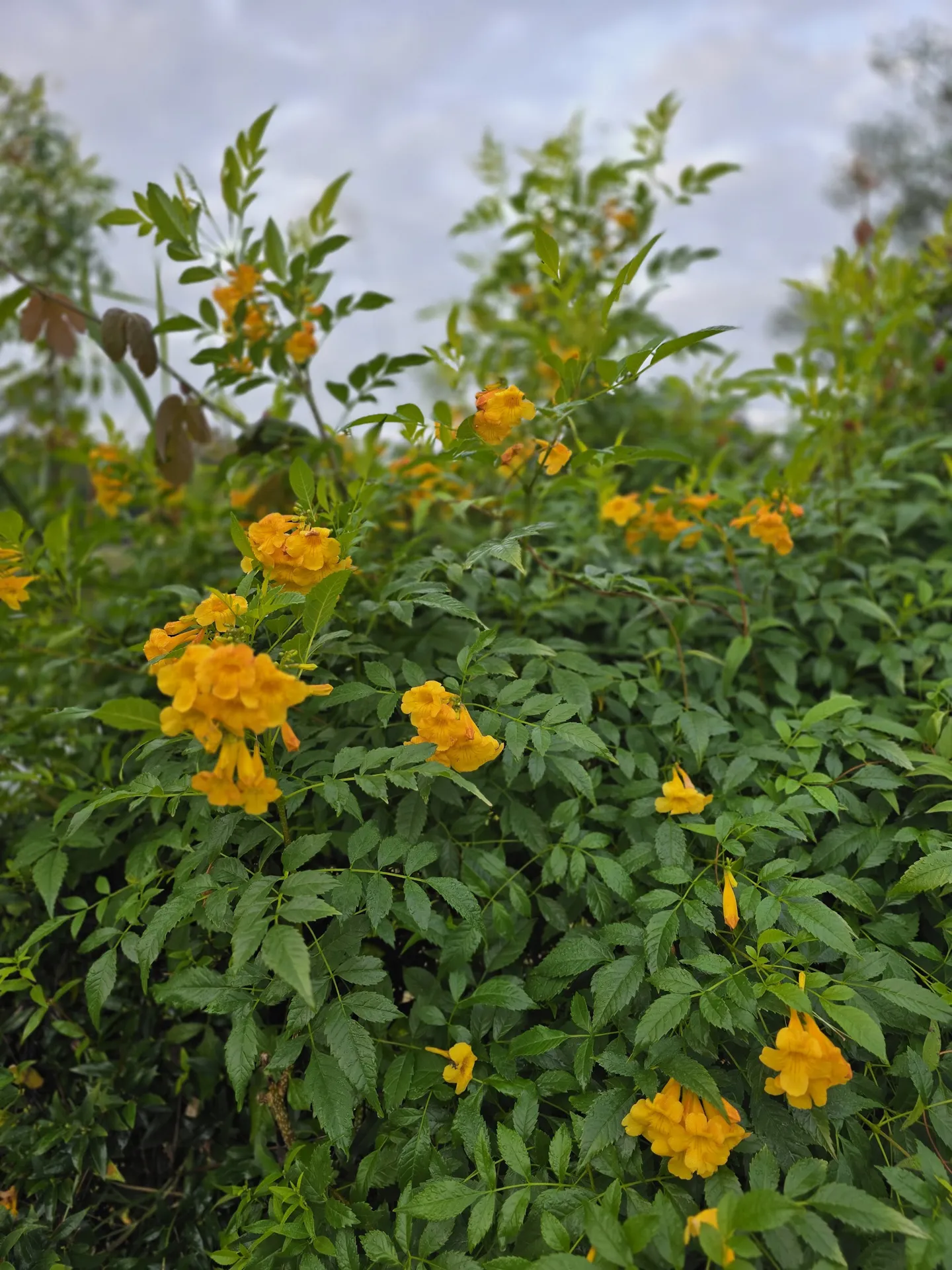
Woody shrub or small tree
Mature size
15 ft tall • 10 ft wide
Climate fit
Perennial in Zones 9–11

Yellow Bells

Tecoma stans

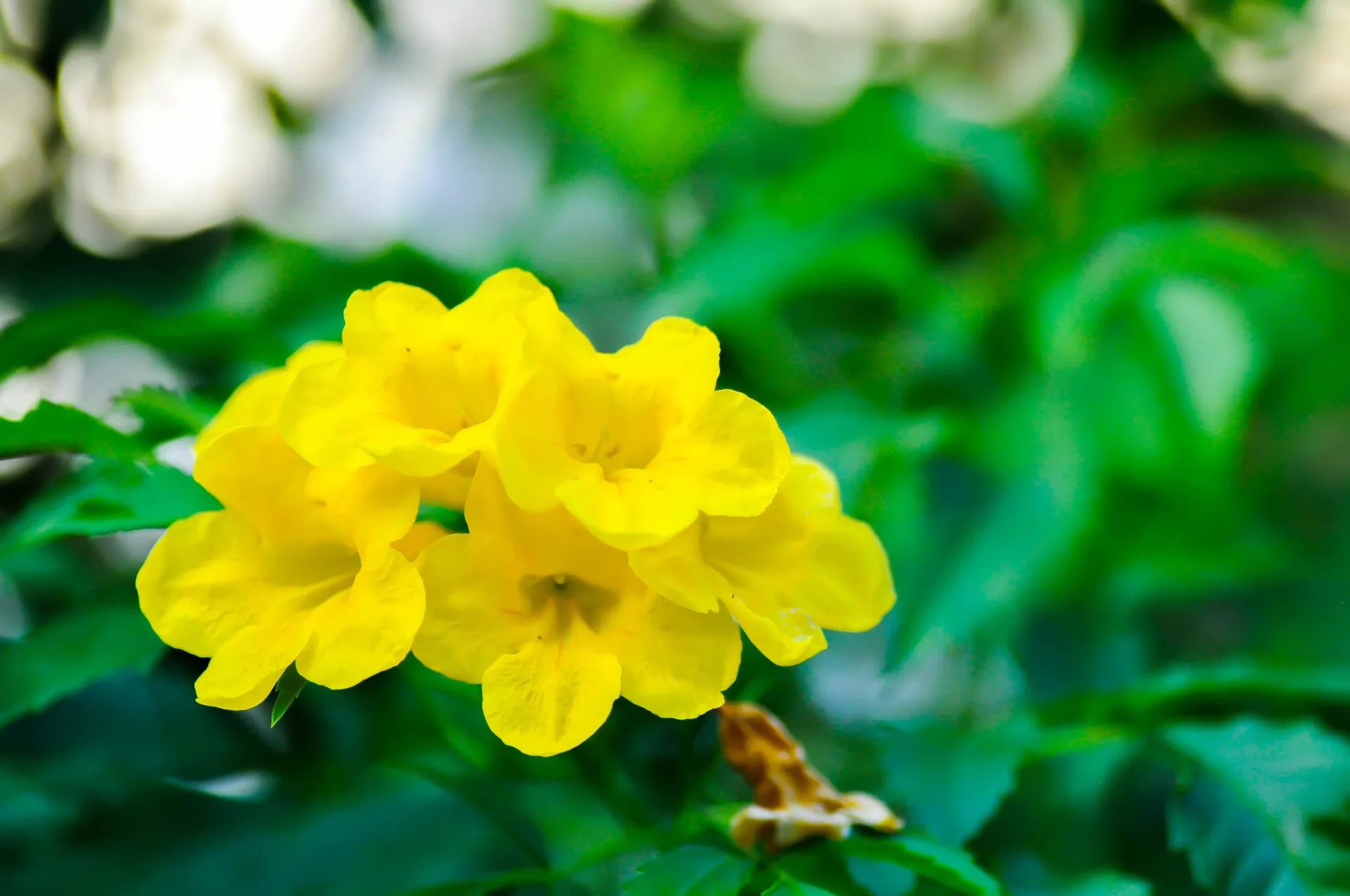
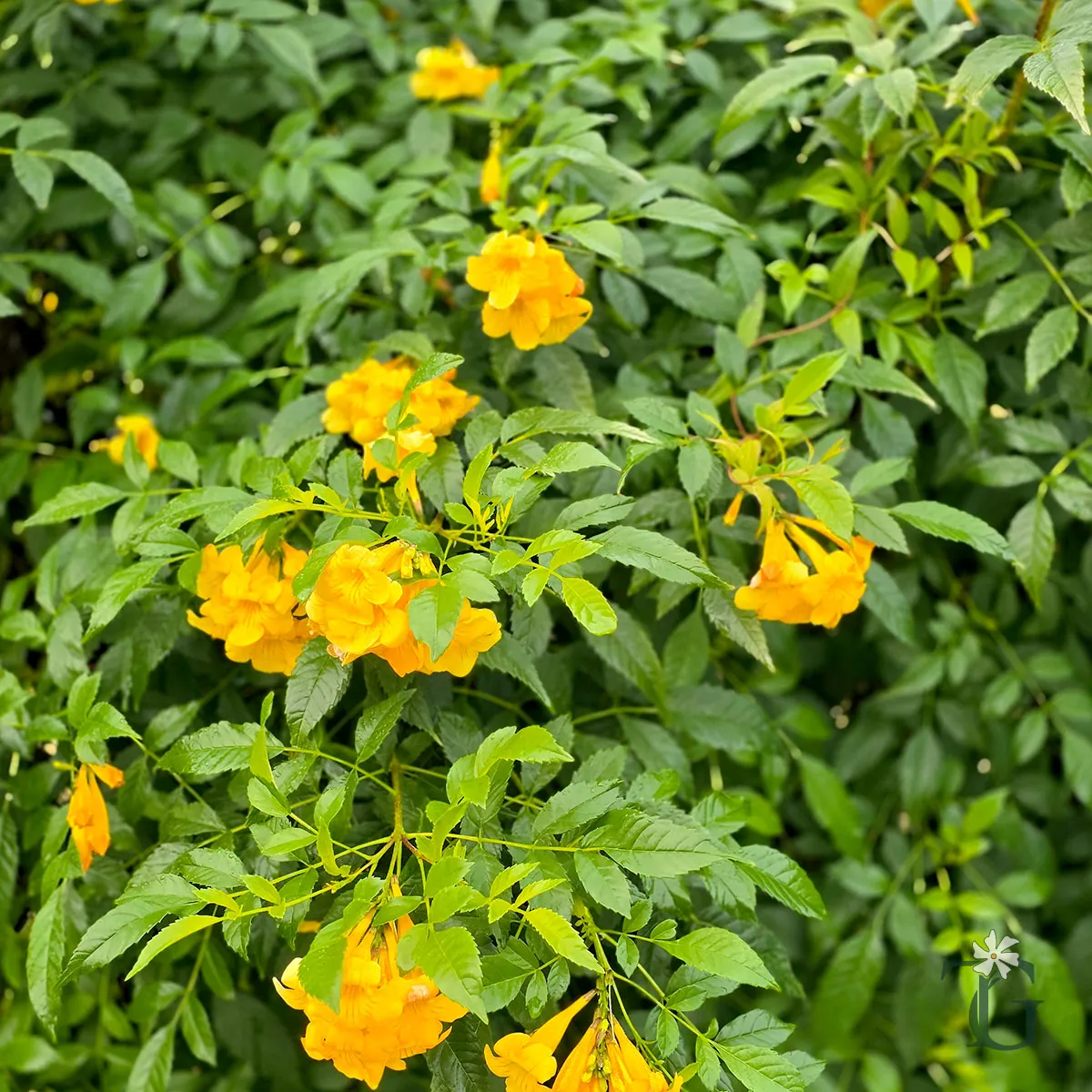
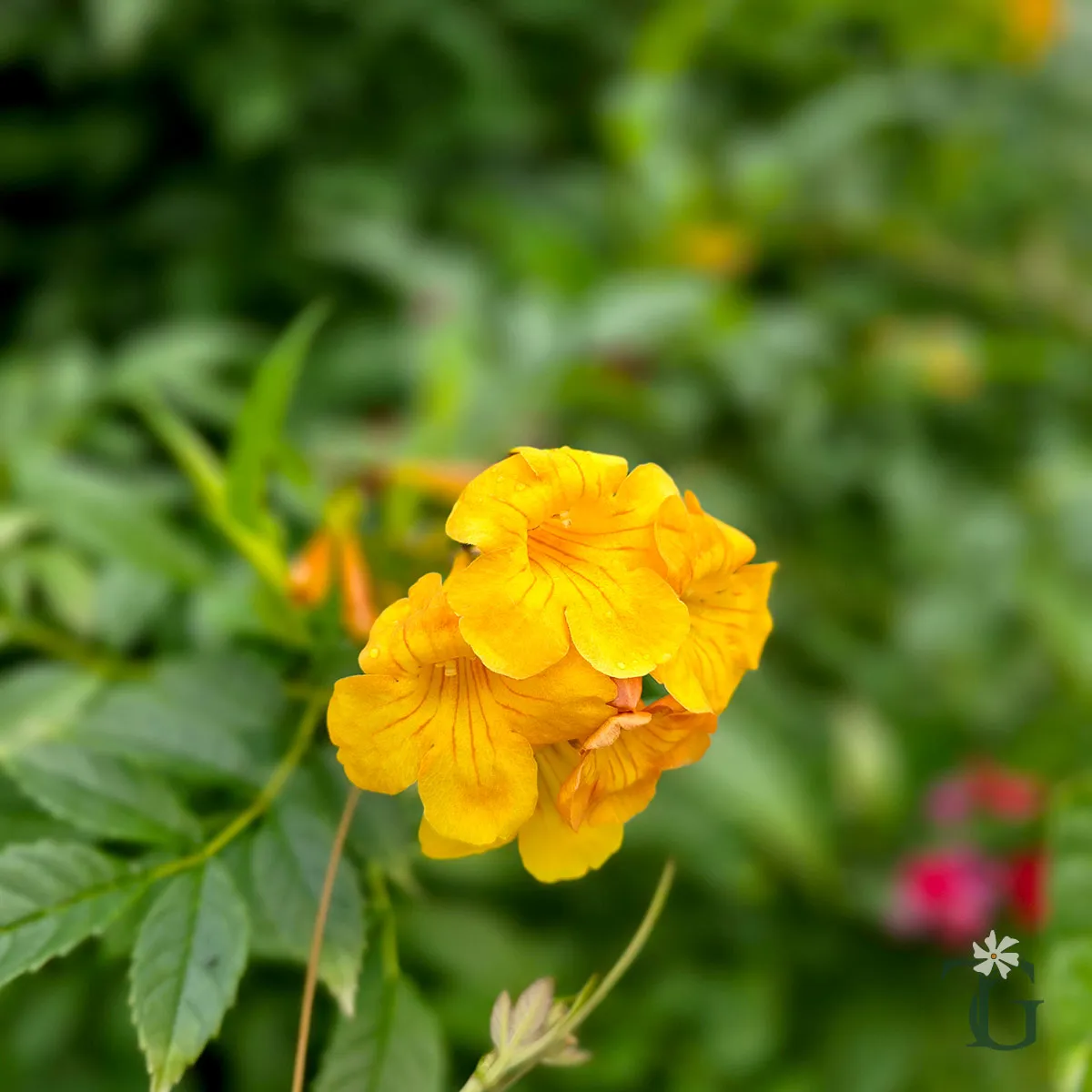
Yellow Bells is grown for its clusters of vivid trumpet shaped flowers and its ability to thrive where many other plants struggle. It is the kind of plant people remember from roadside gardens, neighborhood homes, and sunny courtyards where color mattered more than perfection. Reliable, heat loving, and generous with blooms, it earns its place through performance rather than rarity.

Available pot sizes
Out of stock
We’ll restock when ready
Care basics
Light
Full sun
Water
Drought tolerant (once established)
Soil
Well-draining
Fertilizer
Moderate feeder
Pruning
Hard prune tolerated
Cold
Hard-freeze sensitive

About this plant

Botanical snapshot
Genus Tecoma
Species stans
Family Bignoniaceae

Yellow Bells is a sun loving flowering shrub known for fast growth and repeated blooming in warm climates. It adapts well to pots or ground planting and rewards steady light and warmth with near continuous color.

Why people keep it

  • Reliable blooms: flowers appear in cycles through warm months.
  • Heat resilience: thrives in strong sun and high temperatures.
  • Low drama: forgiving if watering is not perfect.
  • Visual brightness: adds energy to patios and entryways.

Cultural presence

Yellow Bells is less about ritual and more about everyday joy. It often appears in homes where gardening is practical, colorful, and meant to make the space feel alive rather than curated. Many people associate it with roadside shrines, school gardens, and public spaces where hardy flowering plants were chosen for endurance.

What to expect

This plant responds strongly to sunlight. More sun usually means more blooms. Growth can become leggy if ignored, but light pruning encourages a fuller shape and more flowering. It tolerates brief dry periods once established.

How we grow and ship it

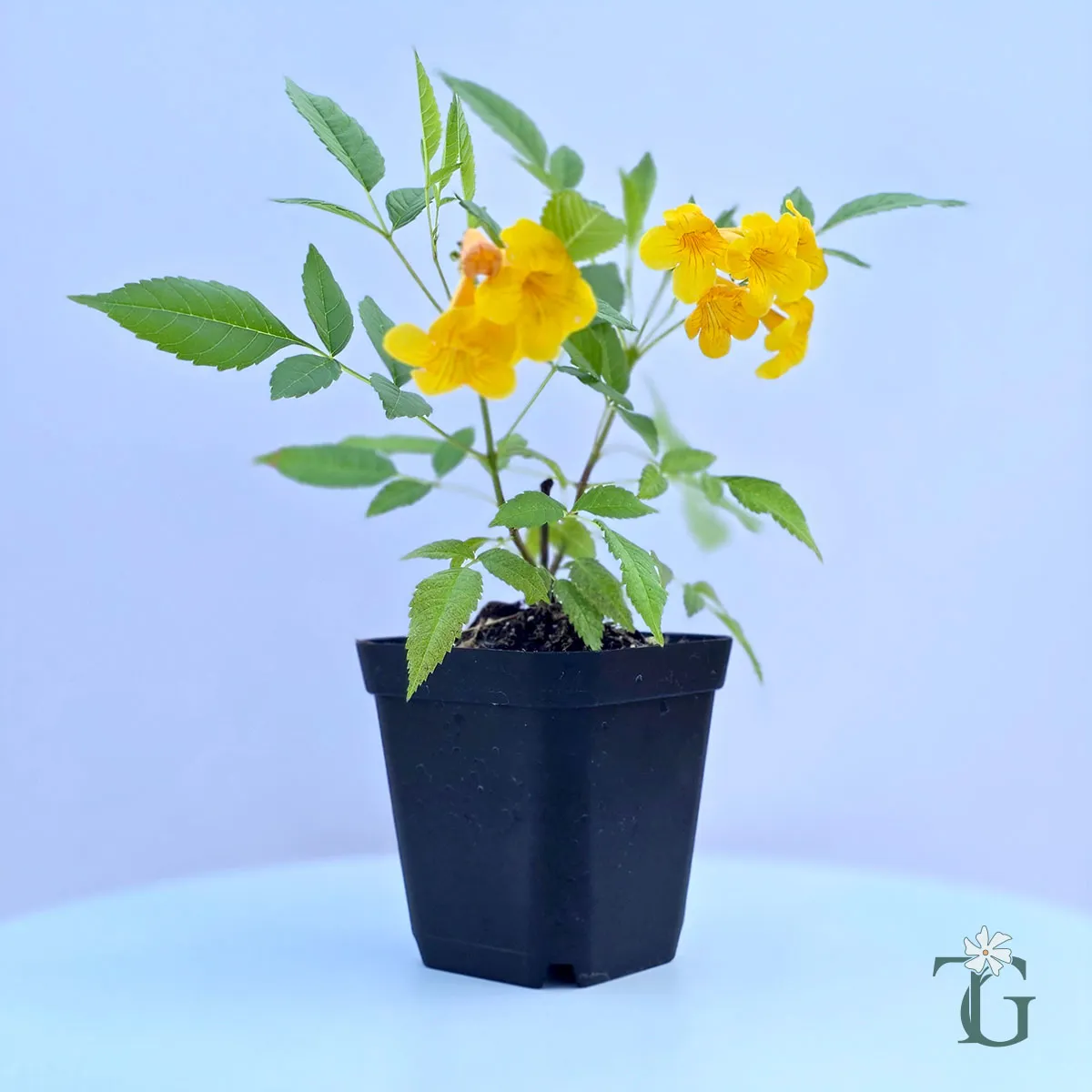
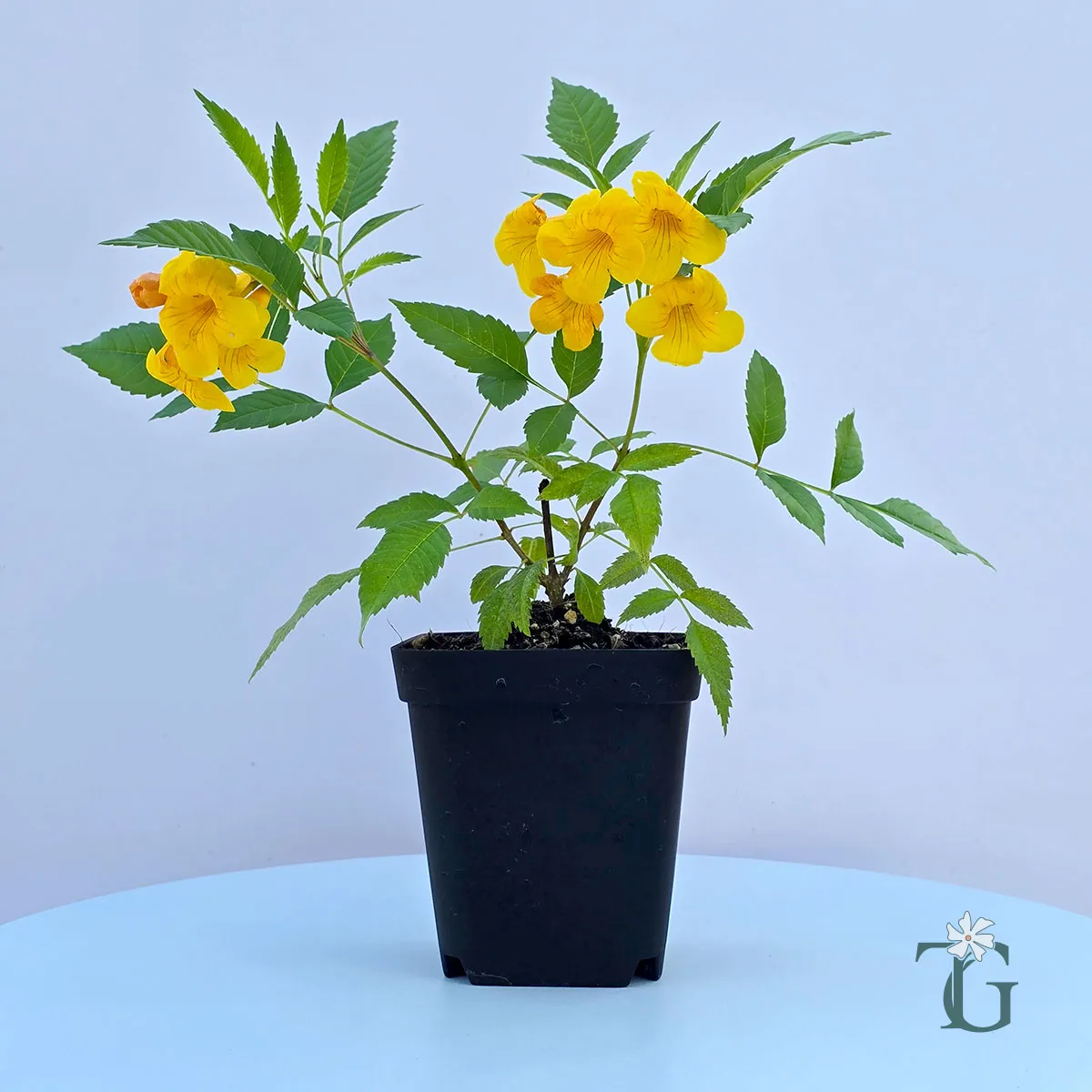
We grow Yellow Bells in conditions similar to home environments so the transition after shipping is easier. Plants are shipped rooted and actively growing. After arrival, place in bright light and avoid heavy pruning immediately.

Disambiguation & Cultural Notes

  • Not the same as all yellow trumpet flowers: often confused with other yellow bloomers, but Yellow Bells is valued for repeat flowering and resilience.
  • Public space favorite: commonly chosen for parks and community areas due to durability.
  • Climate dependent: performs best in warm regions and may slow growth in cooler conditions.

Practical Tips

  • Prefers full sun for maximum blooms
  • Allow soil to dry slightly between watering
  • Prune lightly to shape and encourage branching
  • Feed occasionally during peak growth
  • Protect from extended frost

Full care guide

The details behind the basics.
Light
Full sun
Grow Yellow Bells in full sun for best vigor and flowering. In extreme heat, provide consistent watering and consider light afternoon shade.
Water
Drought tolerant (once established)
Once established, Yellow Bells can handle short dry spells. Water deeply, then allow the soil to dry more than usual between waterings.
Soil
Well-draining
Use a well-draining mix for Yellow Bells. The goal is moisture retention without staying soggy—drainage is non-negotiable.
Fertilizer
Moderate feeder
Feed Yellow Bells regularly during the growing season with a balanced fertilizer. Reduce or pause feeding when growth slows.
Pruning
Hard prune tolerated
Yellow Bells can handle a harder prune when needed. Cut back to healthy growth and allow time for recovery during the growing season.
Cold
Hard-freeze sensitive
Yellow Bells may handle cool weather but can die back or be killed by a hard freeze. Provide protection or plan to overwinter indoors.
Pests
Moderate risk
Yellow Bells can attract common pests under stress. Watch for early signs, maintain airflow, and avoid overwatering and low light.
Toxicity
Toxic if ingested
Yellow Bells may cause issues if ingested. Keep away from children and pets and seek help if ingestion occurs.