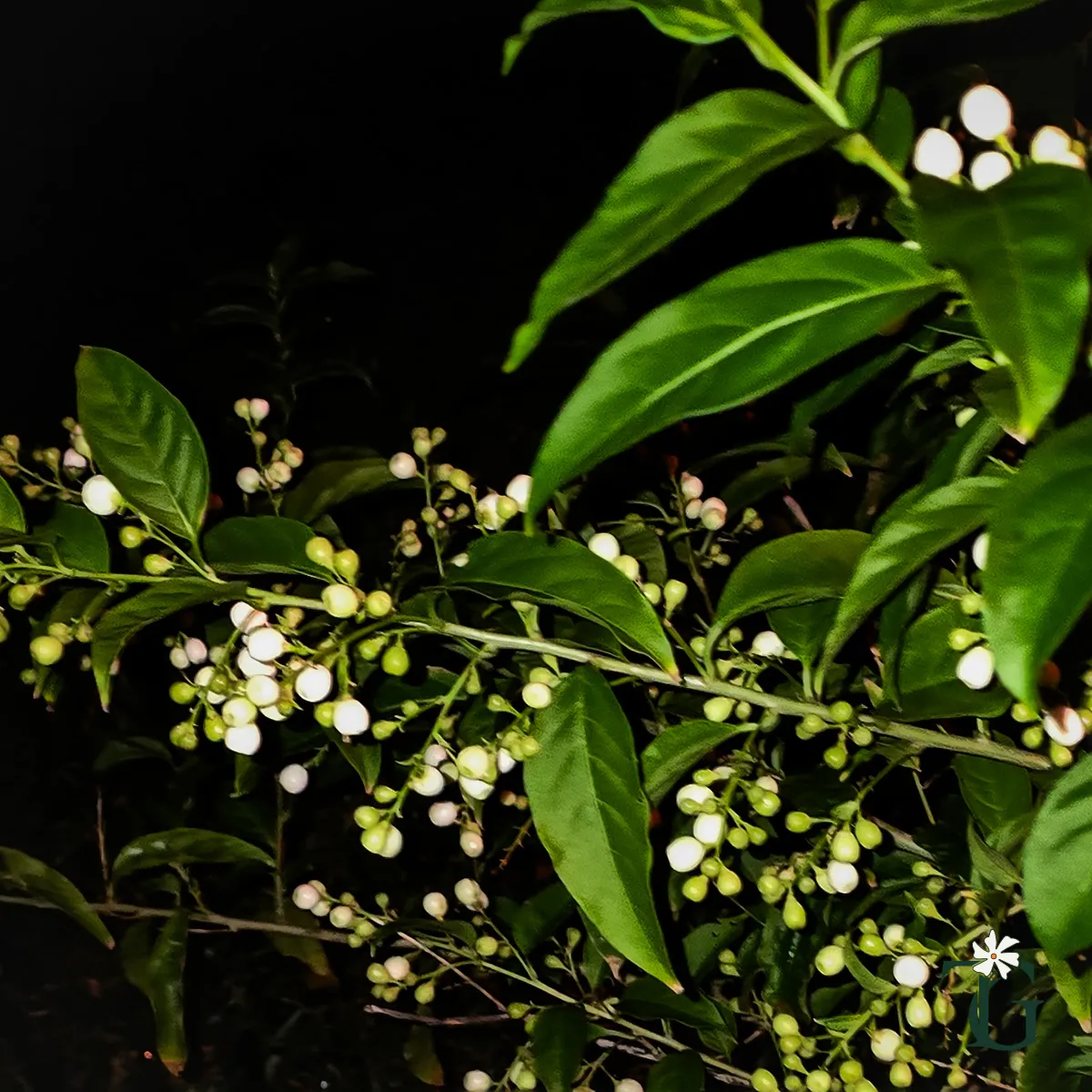
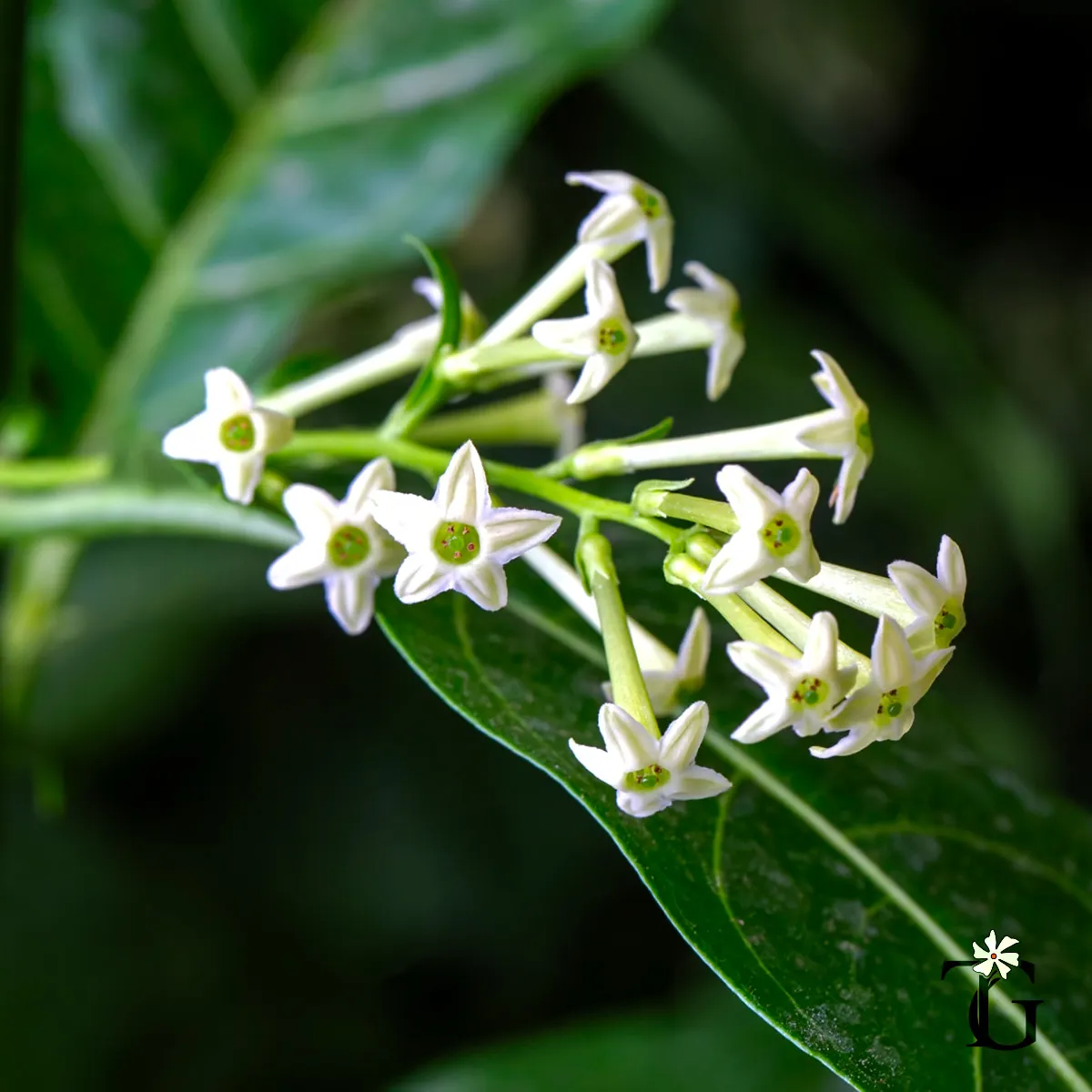
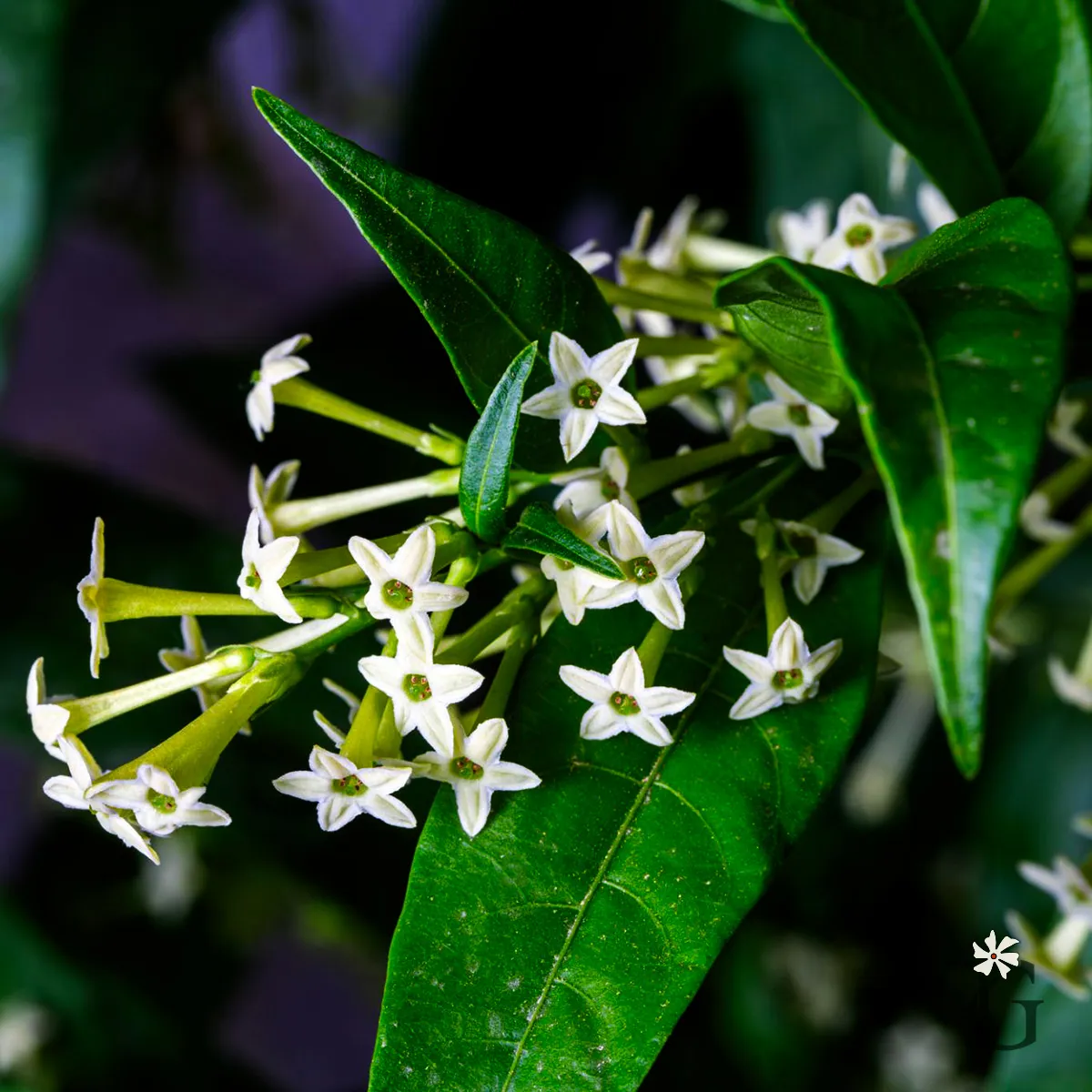
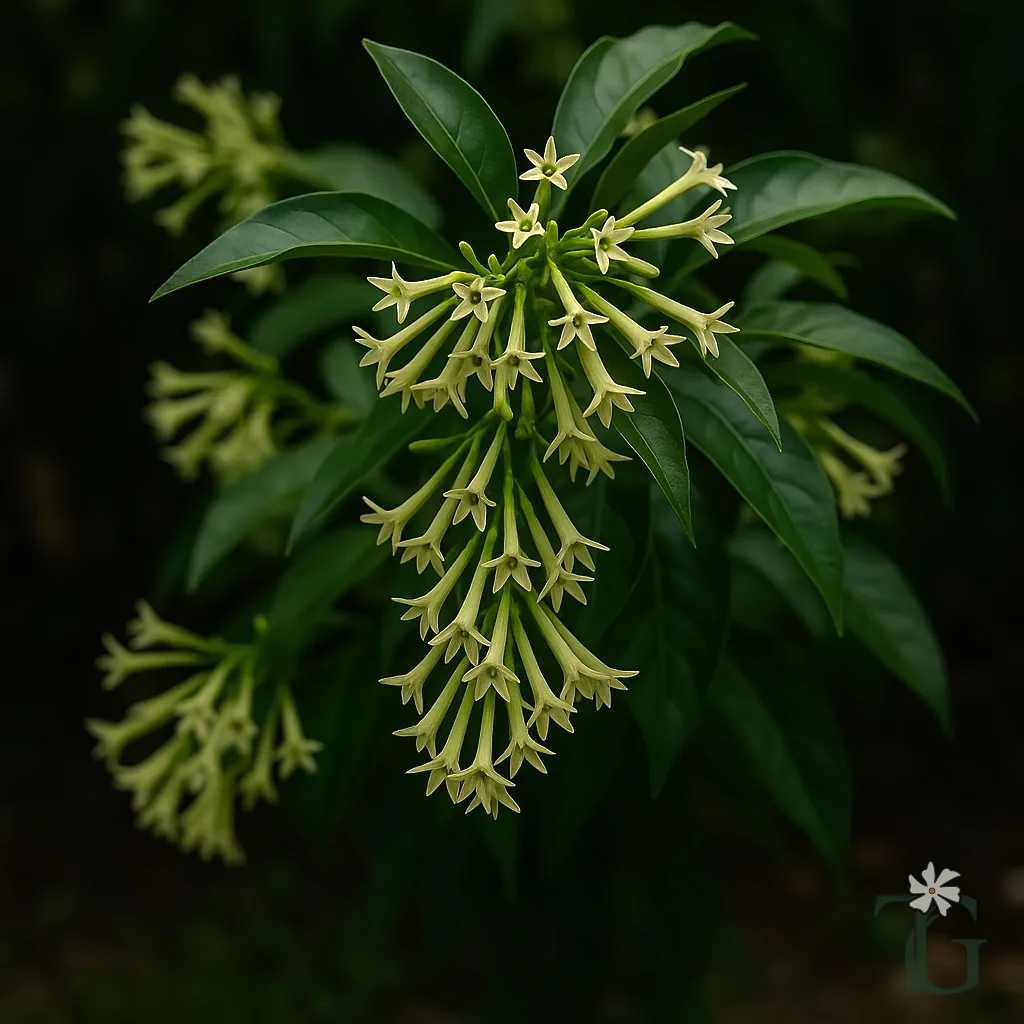
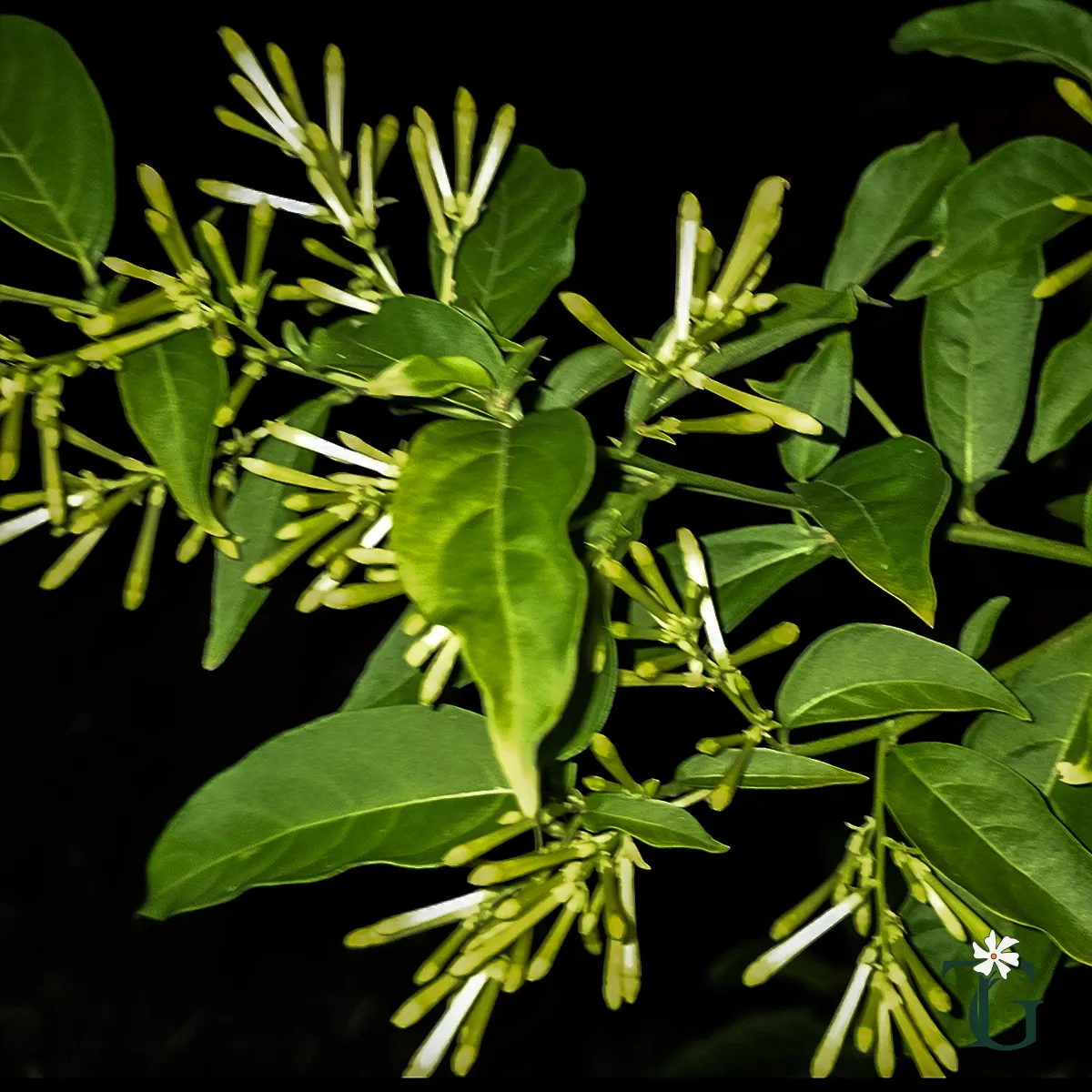
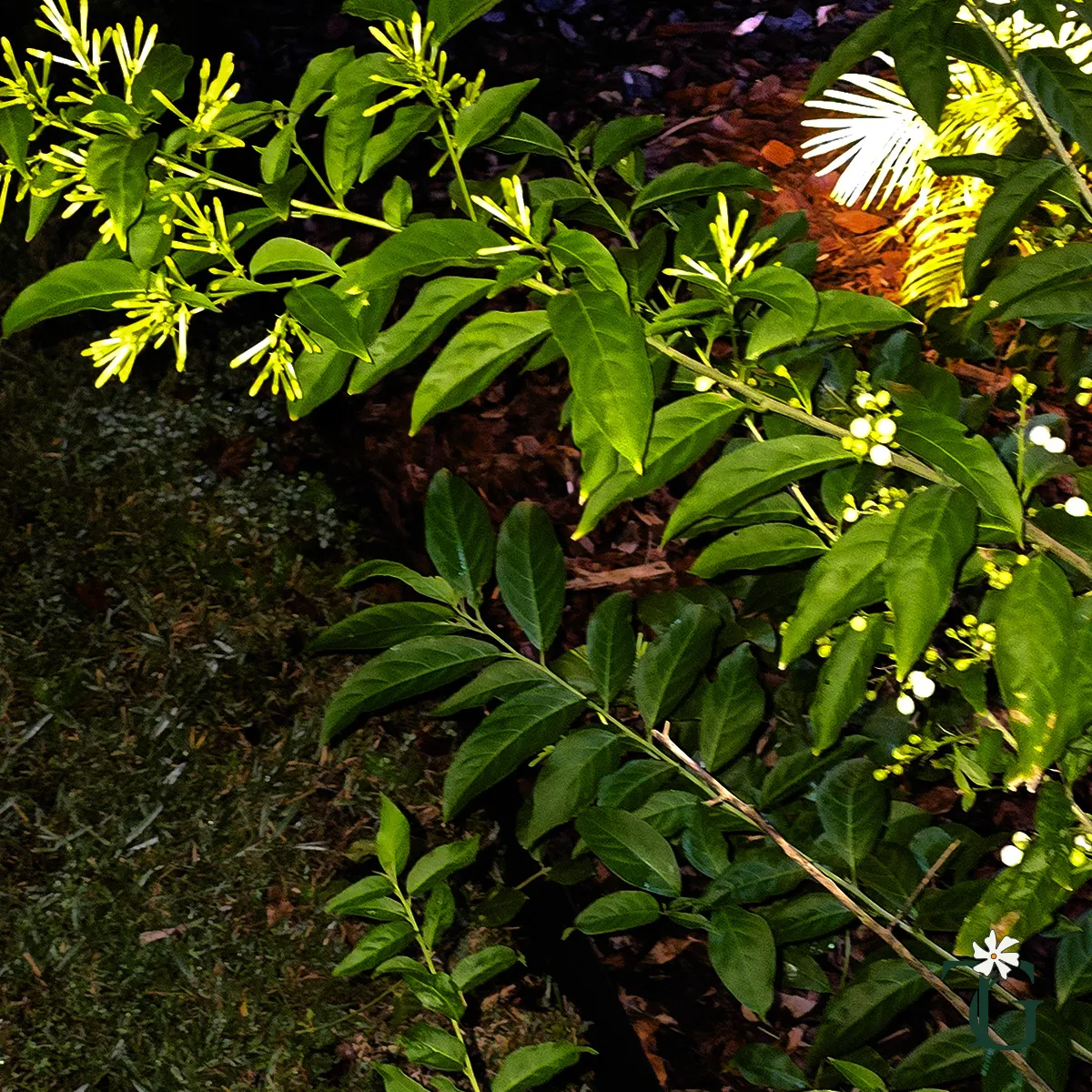
Raat Ki Raani, commonly identified as Cestrum nocturnum, is a shrub grown primarily for its strong nighttime fragrance. Flowers appear in clustered formations that resemble delicate beads, opening gradually after sunset. Bloom cycles repeat through warmer months once the plant is established.
Why people keep it
- Powerful evening fragrance: scent can travel across a garden and into nearby spaces.
- Familiar presence: often associated with homes where evenings meant watering plants and stepping outside before sleep.
- Recurring bloom cycles: flowers return several times in warm seasons rather than just once a year.
- Presence through air: the plant is recognized by scent before it is ever seen.
What to expect
Raat Ki Raani grows steadily once settled and responds well to consistent warmth. Flowering happens in waves, with fragrance peaking shortly after sunset and gradually softening by morning. Adequate space and airflow help the plant develop fuller bloom clusters.
How we grow and ship it
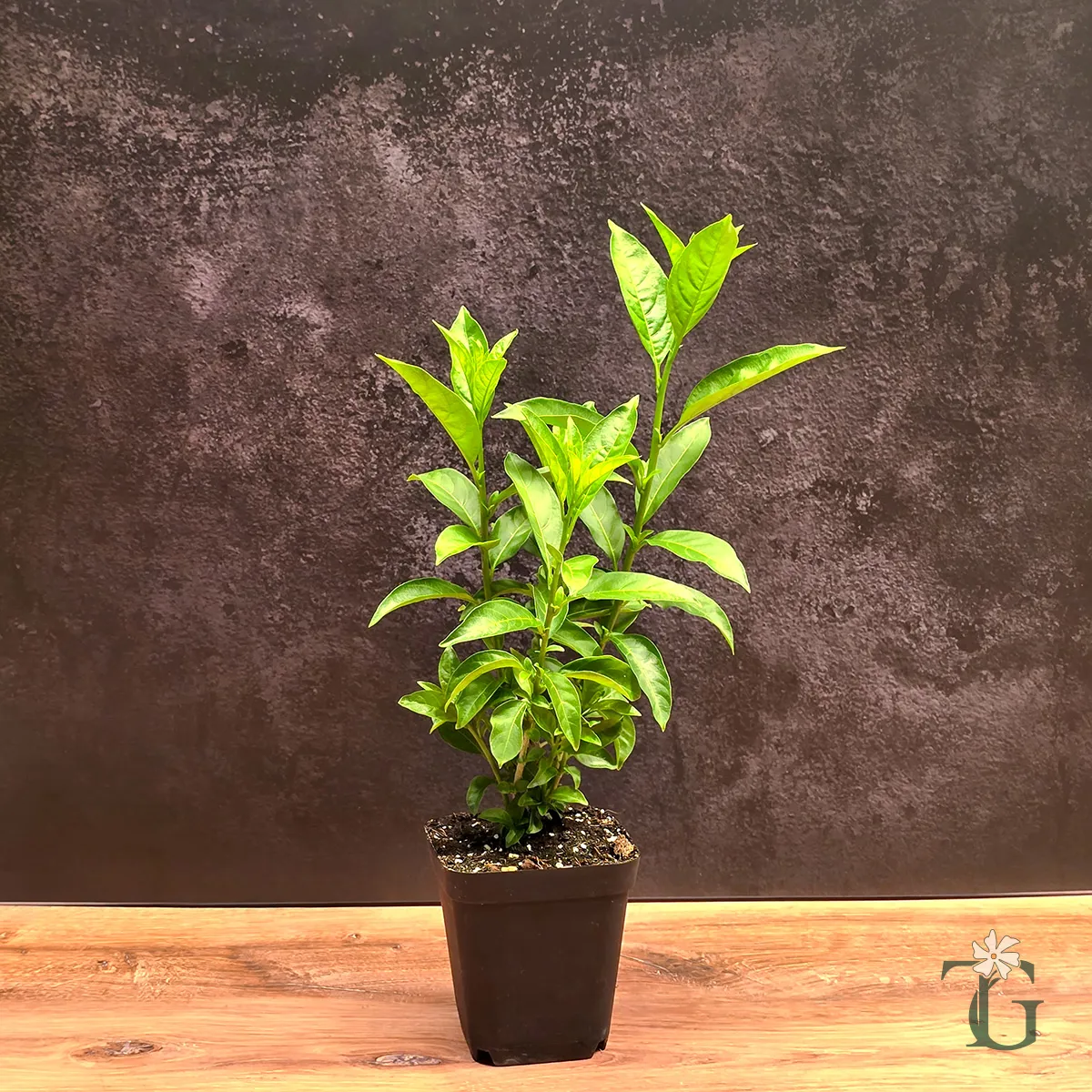
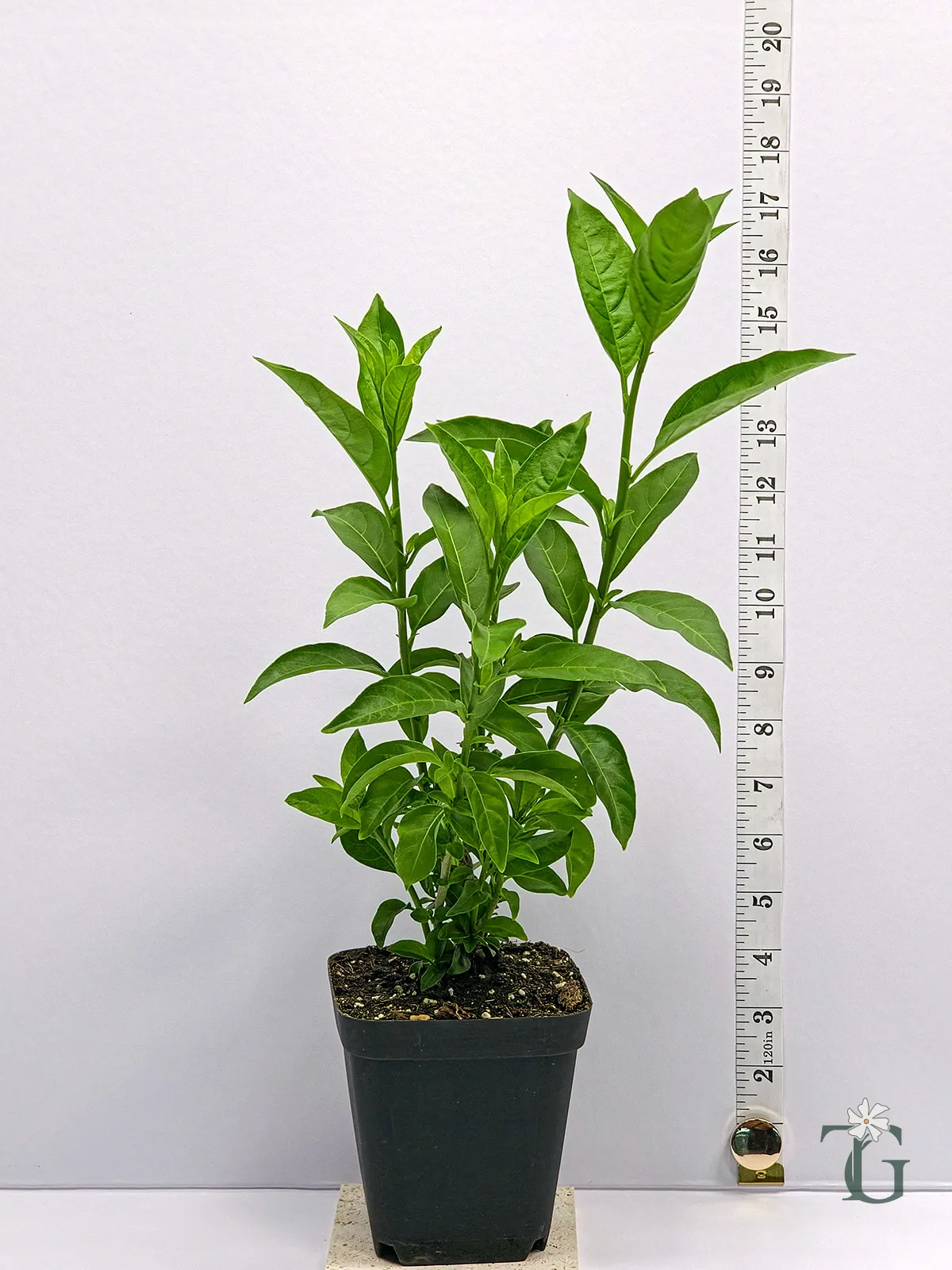
We grow Raat Ki Raani for strong branching and root stability rather than forcing early blooms. Plants are shipped while actively growing. After transit, allow the plant to settle before reshaping or relocating it frequently.
Disambiguation & Cultural Notes
- Name confusion: In parts of the Indian diaspora, the name Raat Ki Raani is sometimes used loosely for other fragrant night-blooming plants. This can lead to confusion with Parijaat or night-blooming jasmine varieties that behave differently.
- Not typically a pooja flower: Unlike jasmine or parijaat, Raat Ki Raani is more often associated with atmosphere than ritual. Its role is sensory rather than ceremonial.
- Fragrance tradition: The scent profile has inspired perfumes and itra blends known for their intensity and lingering quality. These fragrances are often described as bold rather than delicate.
- Cultural memory: For many, Raat Ki Raani is linked to evening routines, late conversations, and open terraces rather than formal offerings. It appears frequently in storytelling and cinema as a symbol of night, nostalgia, and mood.