Thai Dragon is a compact, high-yield hot pepper known for its consistent heat and heavy production. While not part of Indian cooking traditions, it fits naturally into everyday use when a steady supply of small, hot peppers is needed.
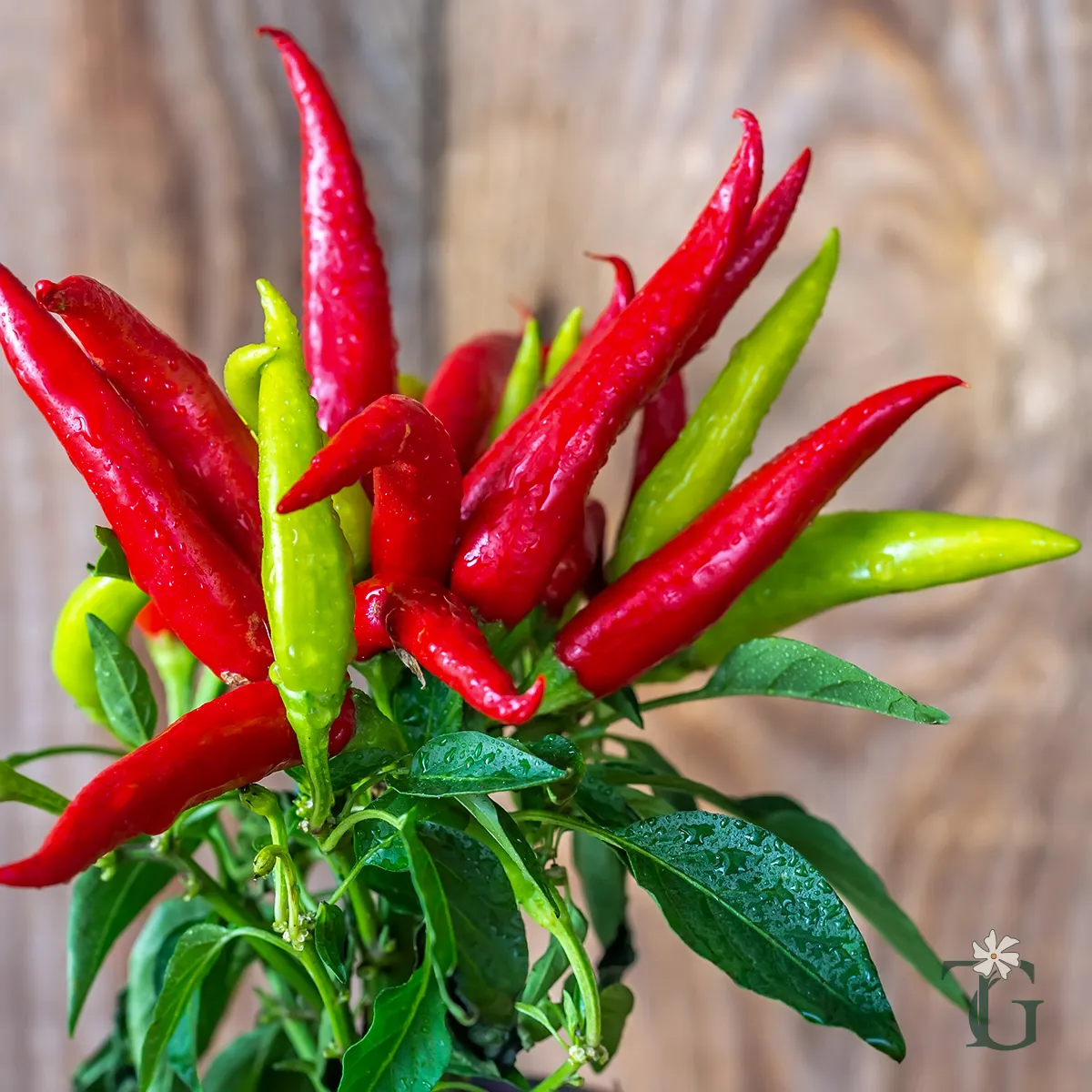
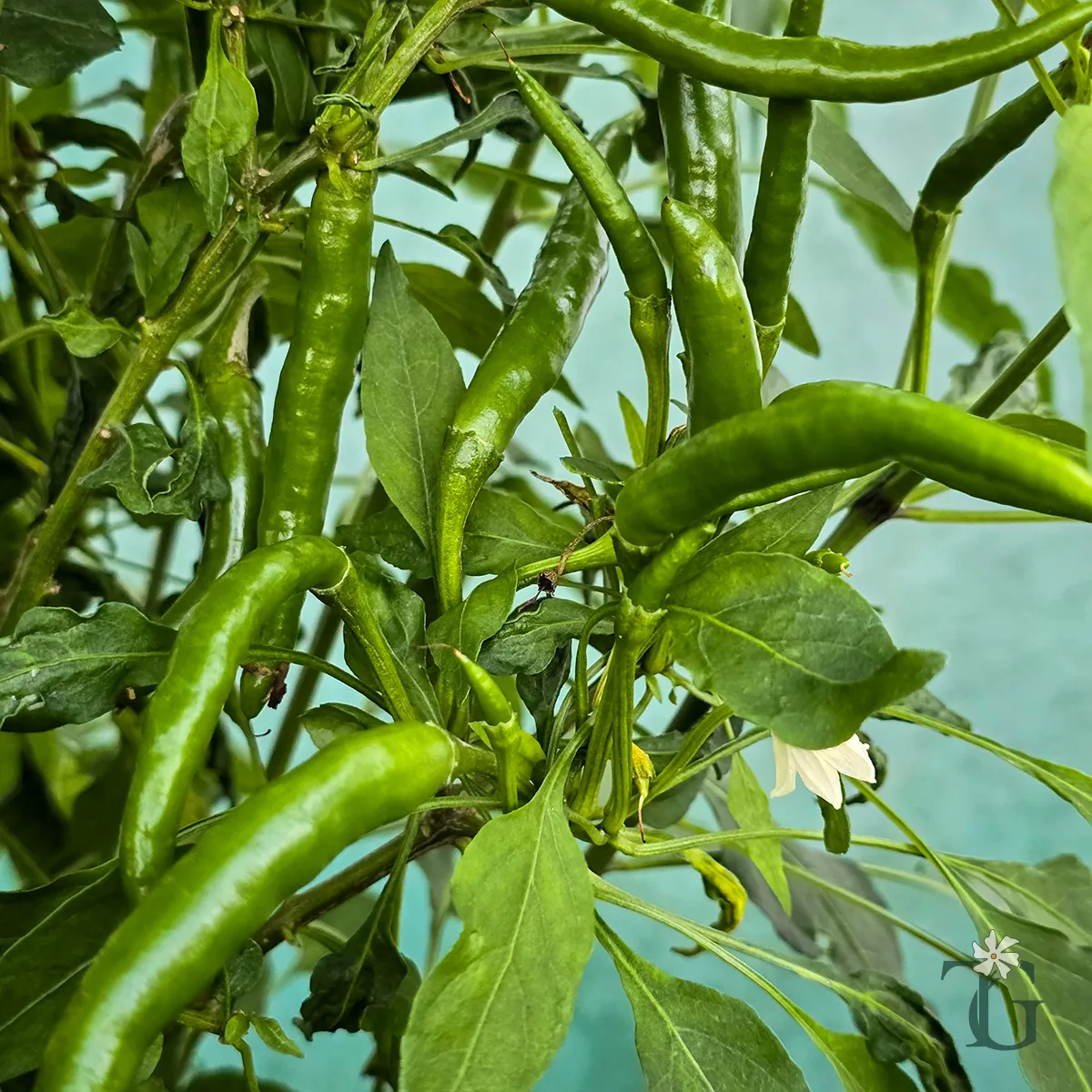
Fruits are slender and upright, typically harvested green or red. The heat is direct and reliable, making it suitable for cooking, drying, or grinding. There is no variability or guesswork, each harvest behaves the same.
Seed stock is derived from established Capsicum annuum lines selected for productivity and uniformity rather than novelty.
Why people keep it
- Consistency: predictable heat across harvests
- Production: high yield from a compact plant
- Flexibility: usable fresh, dried, or ground
- Container fit: performs well even in smaller spaces
What to expect
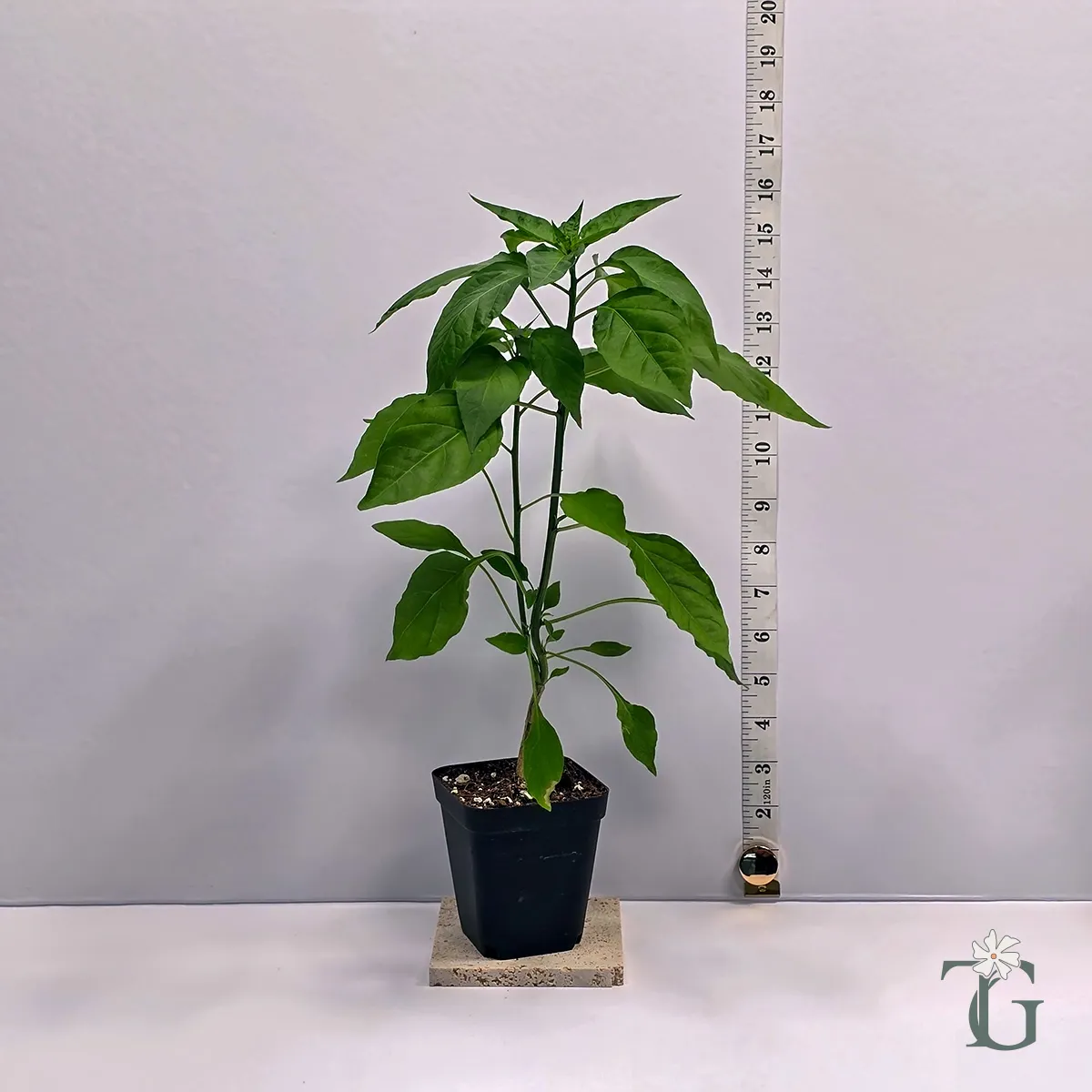
Thai Dragon stays compact and begins producing early under warm conditions. Regular harvesting encourages continued fruiting and branching. Like most peppers, it slows when temperatures drop and resumes with heat.
Fruits grow upright and ripen from green to red. Both stages are usable, depending on preference.
How we grow and ship it
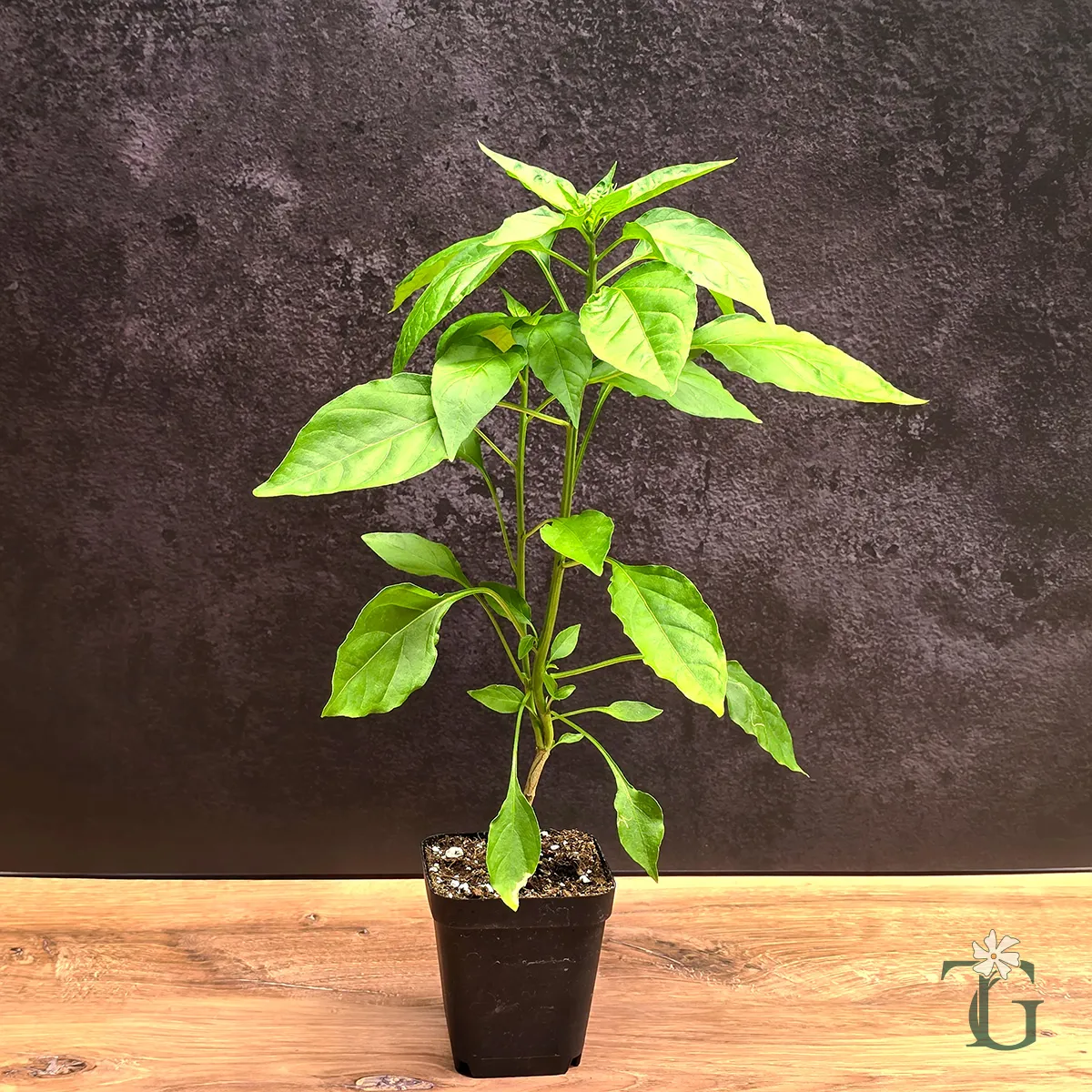
We ship actively growing plants rather than overgrown specimens. This helps the plant establish quickly after transplant.
Some leaf softening during transit is normal. With steady light, warmth, and consistent watering, the plant settles and resumes growth without intervention.
Heat level:
Estimated Scoville: 50,000 to 100,000 SHU
For reference:
- Jalapeño: ~2,500 to 8,000 SHU
- Serrano: ~10,000 to 25,000 SHU
- Jwala: ~30,000 to 50,000 SHU
- Guntur Sannam: ~40,000 to 80,000 SHU
Thai Dragon sits in the hot range, similar to bird’s eye types, with consistent and repeatable heat.
Practical Tips
- Harvest regularly to maintain production
- Use green stage for sharper heat, red for fuller flavor
- Provide full sun for best yield and structure
- Avoid overwatering, peppers prefer consistent but not saturated soil
- If growth slows, check light before adjusting feeding
Thai Dragon is a practical pepper. It is not about heritage or nostalgia, it is about reliability. If you want steady heat and consistent harvests without managing variability, it does its job well.