Kanthari pepper, commonly known as bird’s eye chili, is a small, high-heat chili used across Kerala households where intensity matters more than quantity. It is valued for its sharp, immediate heat and its ability to define a dish with just a few pieces rather than being used in bulk.
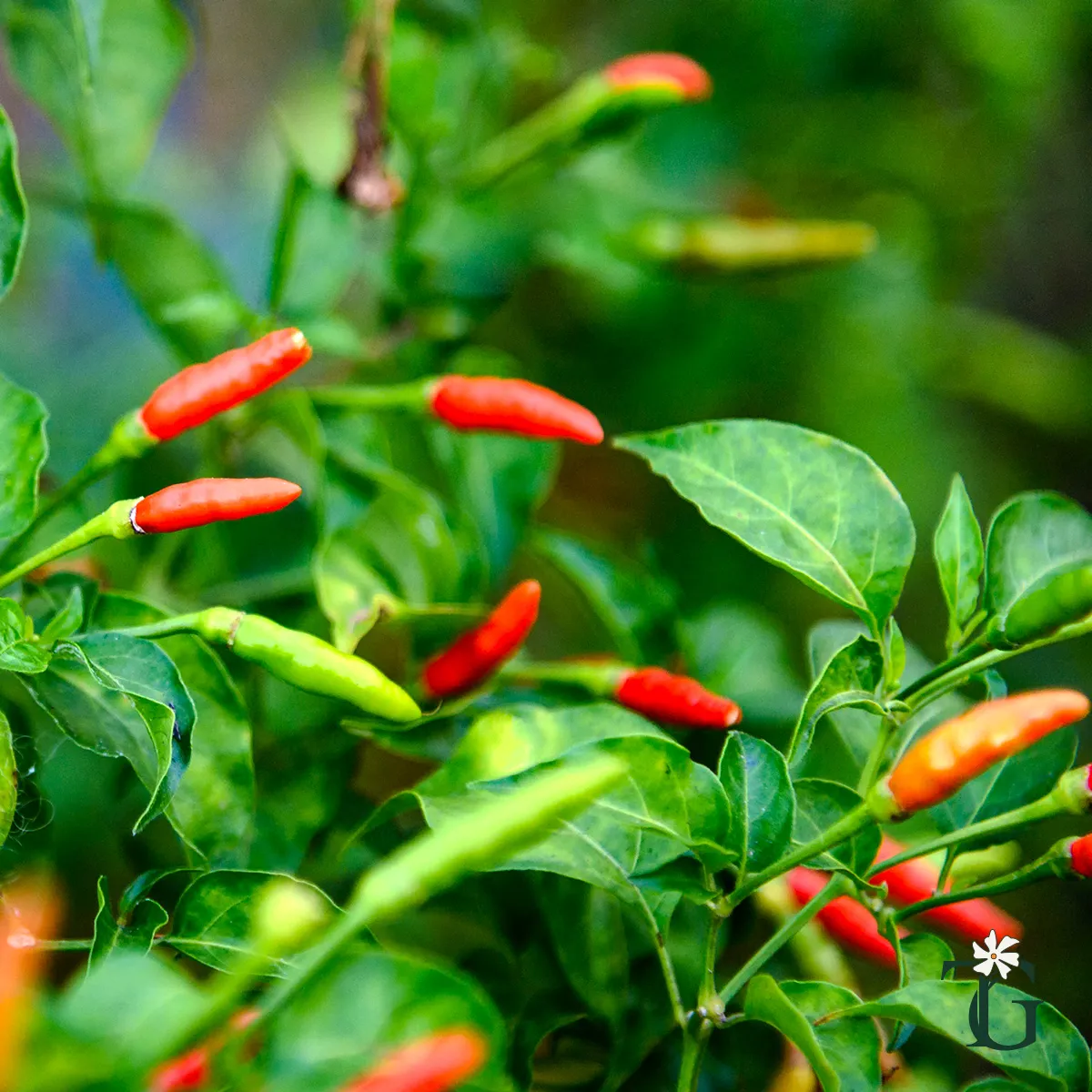
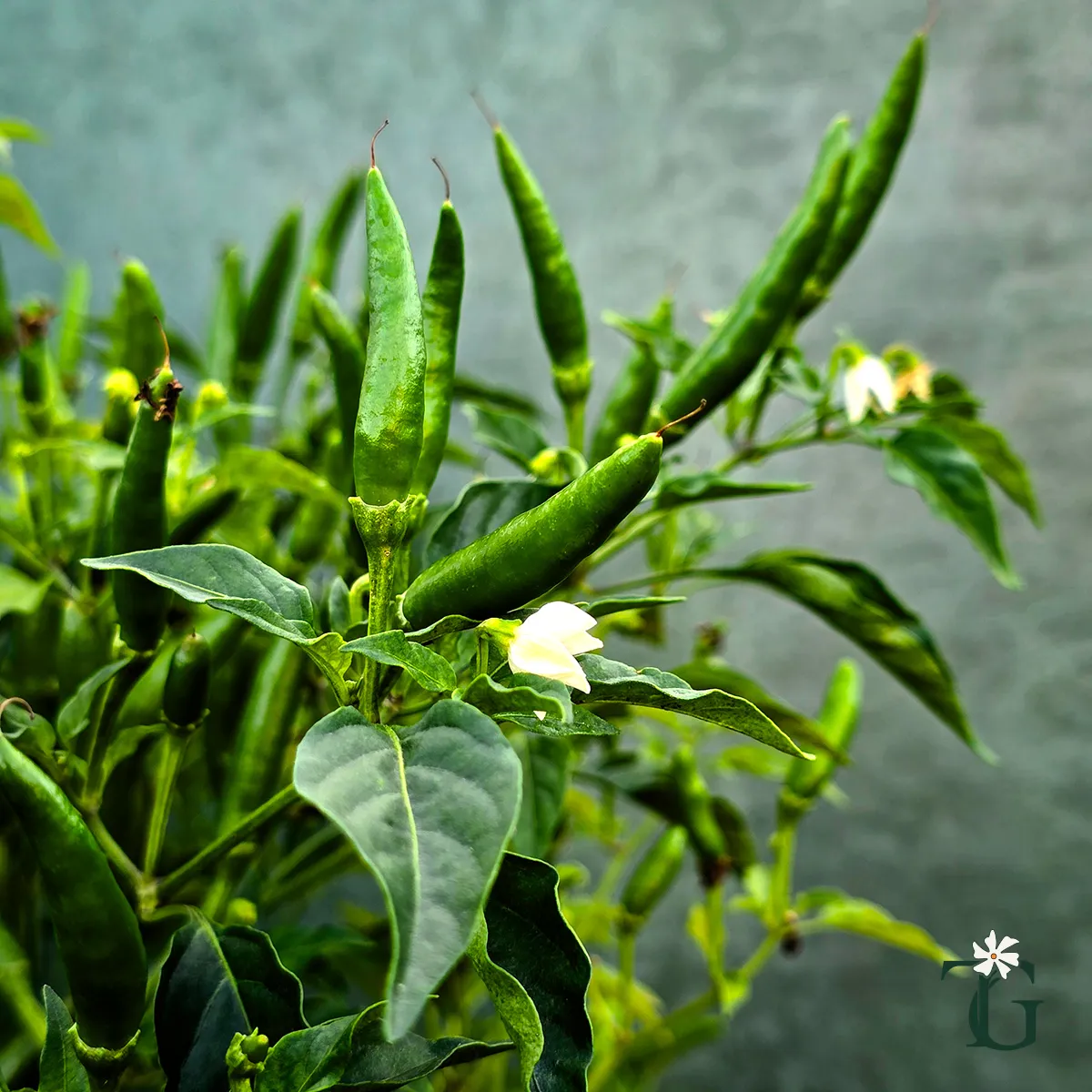
The plant produces small, upright peppers that begin green and mature to red or pale tones depending on the strain. Unlike longer cooking chilies, Kanthari is not used for volume. It is used with intent. A few fruits are enough to carry heat through pickles, chutneys, and simple preparations.
Seed stock is derived from traditional Indian lines associated with Kerala home gardens, selected for heat, resilience, and consistency rather than size or heavy yield.
Why people keep it
- Heat intensity: very high heat in a small fruit, used sparingly
- Kitchen role: ideal for pickles, chutneys, and sharp heat additions
- Compact habit: small plant, easy to manage in containers
What to expect
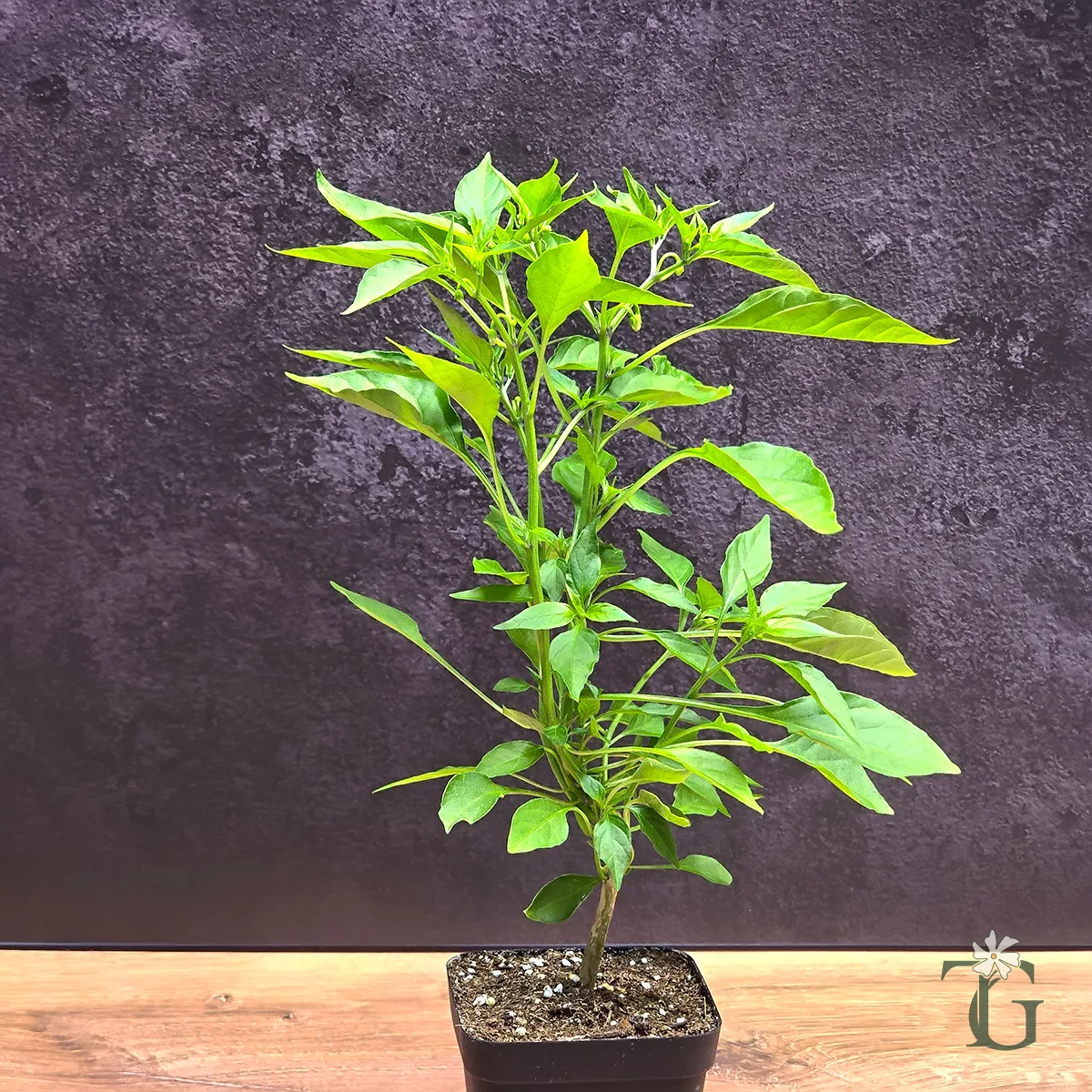
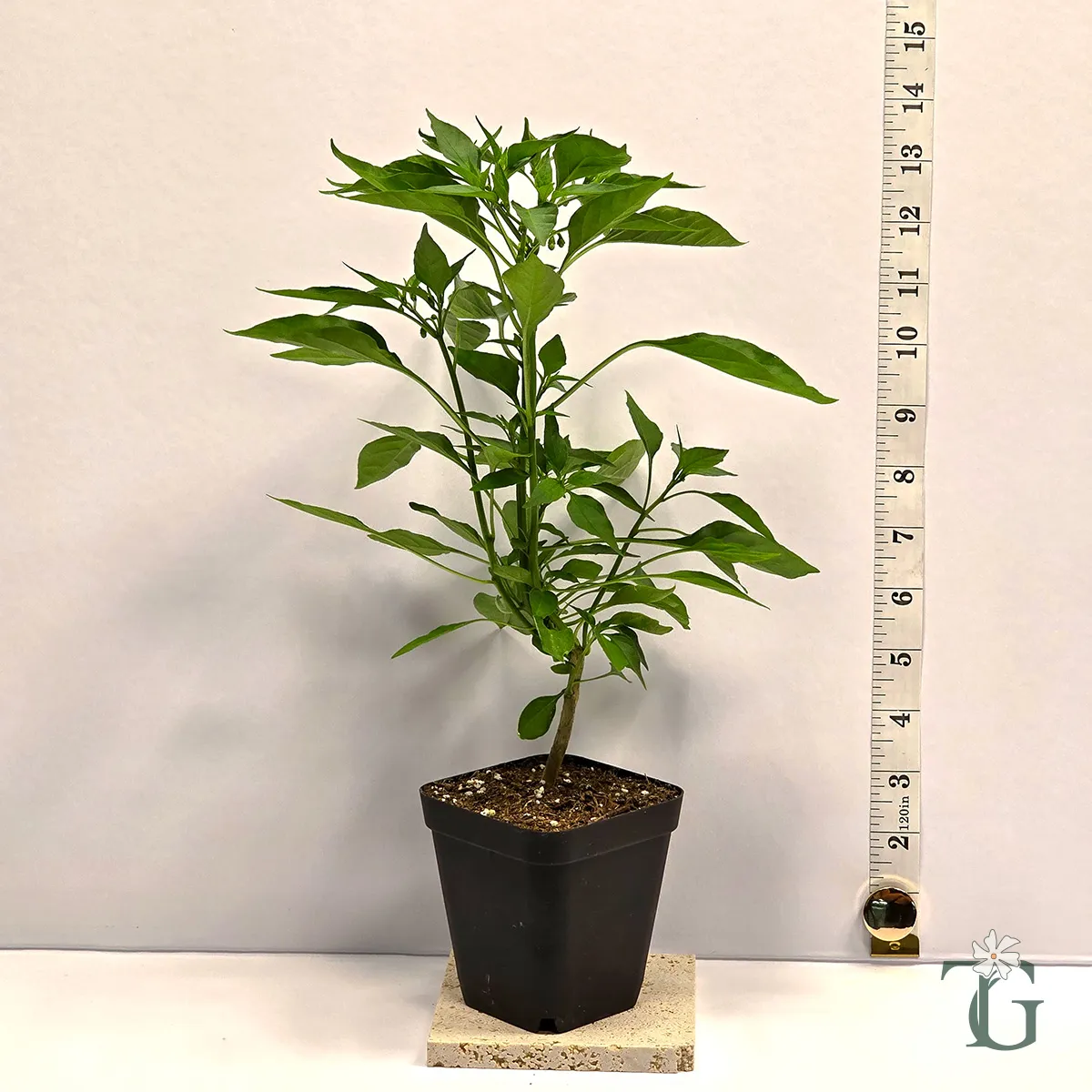
Kanthari pepper grows as a compact, branching plant that begins producing clusters of small peppers under warm conditions. It does not aim for large fruit size but instead produces repeatedly in small quantities.
Regular harvesting encourages continued flowering and fruiting. Plants remain manageable in size and adapt well to container growing.
Like most peppers, growth slows in cooler temperatures and resumes with warmth. Fruit size remains small and consistent, with heat levels staying high across harvests.
Heat level
Estimated Scoville: 80,000 to 120,000 SHU
For reference:
- Jalapeño: ~2,500 to 8,000 SHU
- Serrano: ~10,000 to 25,000 SHU
- Jwala: ~30,000 to 50,000 SHU
- Guntur Sannam: ~40,000 to 80,000 SHU
Kanthari sits above typical kitchen peppers. Very hot and used with restraint.
How we grow and ship it
We ship actively growing plants that are still establishing rather than oversized specimens. This allows the plant to adjust more reliably after transplant and resume growth under new conditions.
Some leaf softening during transit is normal. With strong light and steady watering, the plant recovers quickly and continues developing.
Practical Tips
- Use sparingly, a little goes a long way
- Harvest regularly to encourage new growth
- Provide full sun for best yield and structure
- Avoid overwatering, peppers prefer controlled moisture
Kanthari pepper is not an everyday bulk chili. It is a precision ingredient, grown for those who want real heat in a small, manageable plant.