Plant profile
Details
Growth habit
Epiphytic, sprawling cactus
Mature size
10 ft tall • 4 ft wide
Climate fit
Perennial in Zones 10–11

Brahma Kamal

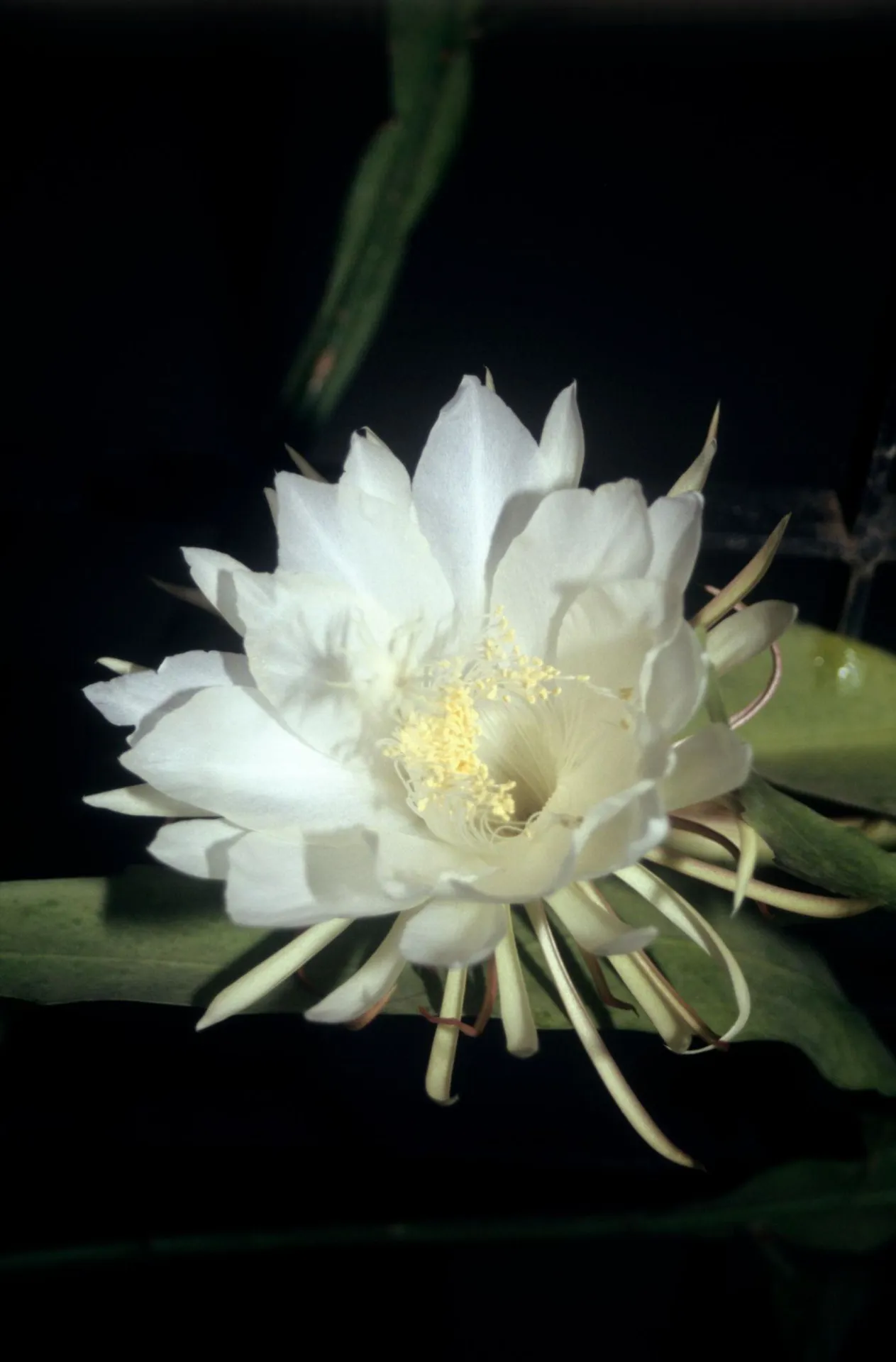
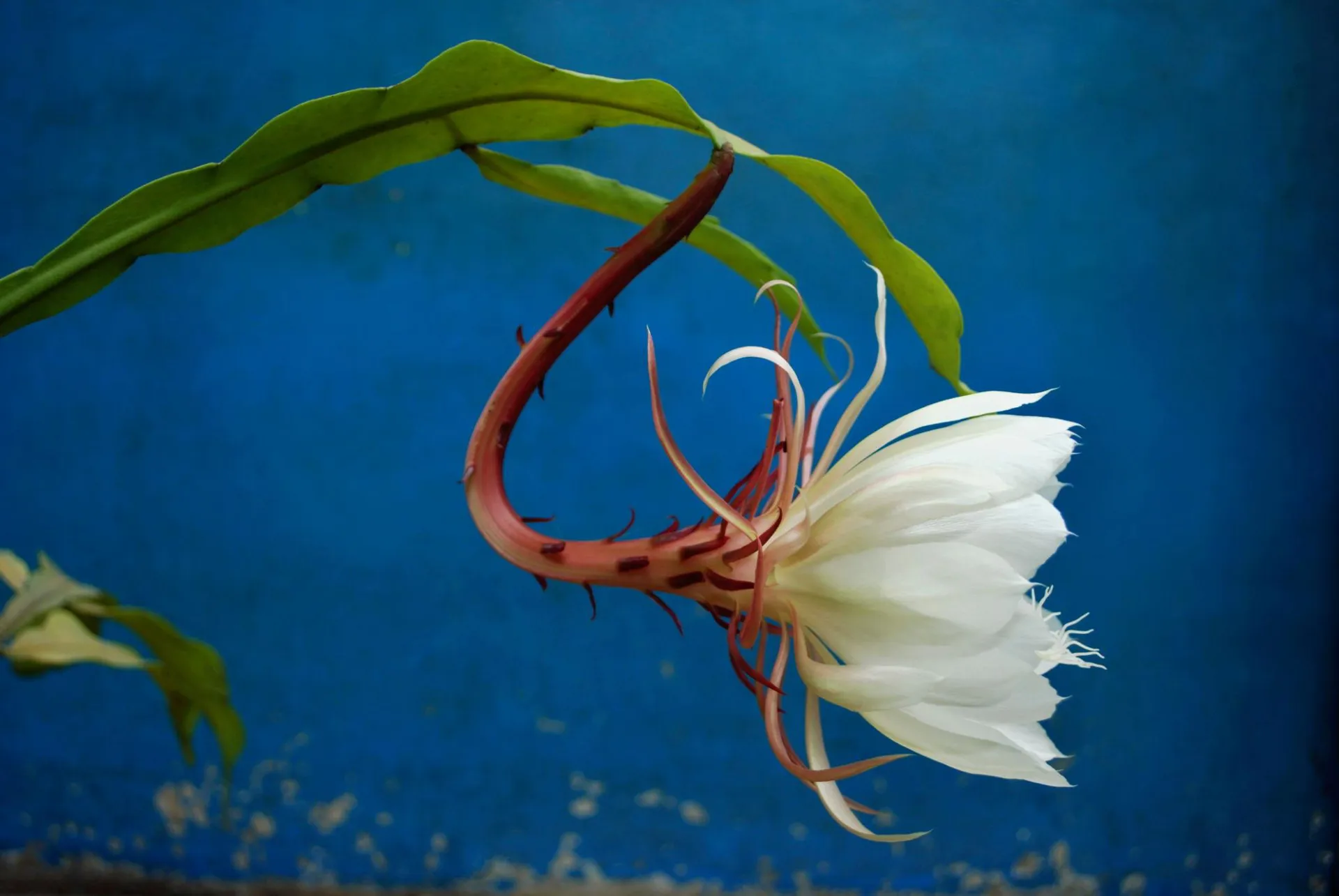
Brahma Kamal is often spoken about before it is ever seen in bloom. The plant may grow quietly for months, then open a single large flower at night that lasts only hours. For many households, the moment is marked with offerings, photographs, and late-night conversations, because flowering feels like an event rather than a routine occurrence.

Available pot sizes
Out of stock
We’ll restock when ready
Care basics
Light
Bright indirect light
Water
Hates soggy soil
Soil
Sandy / fast-draining
Fertilizer
Seasonal feeding
Pruning
Minimal pruning
Cold
Freeze sensitive

About this plant

Botanical snapshot
Genus Epiphyllum
Species oxypetalum
Family Cactaceae

Brahma Kamal is a name used for different plants across regions. In most home gardens outside Himalayan climates, the name refers to a night-blooming epiphyllum type known for large white flowers and a brief flowering window. The Himalayan Brahma Kamal belongs to a separate alpine plant group. Shared naming reflects cultural continuity rather than botanical identity.

Why people keep it

  • Night bloom: flowers open after dark and fade by morning.
  • Ritual association: flowering is often accompanied by quiet offerings or moments of gratitude.
  • Fragrance: scent becomes noticeable as the bloom opens and fills the surrounding space.
  • Shared anticipation: the experience is often shared with family rather than observed alone.

What to expect

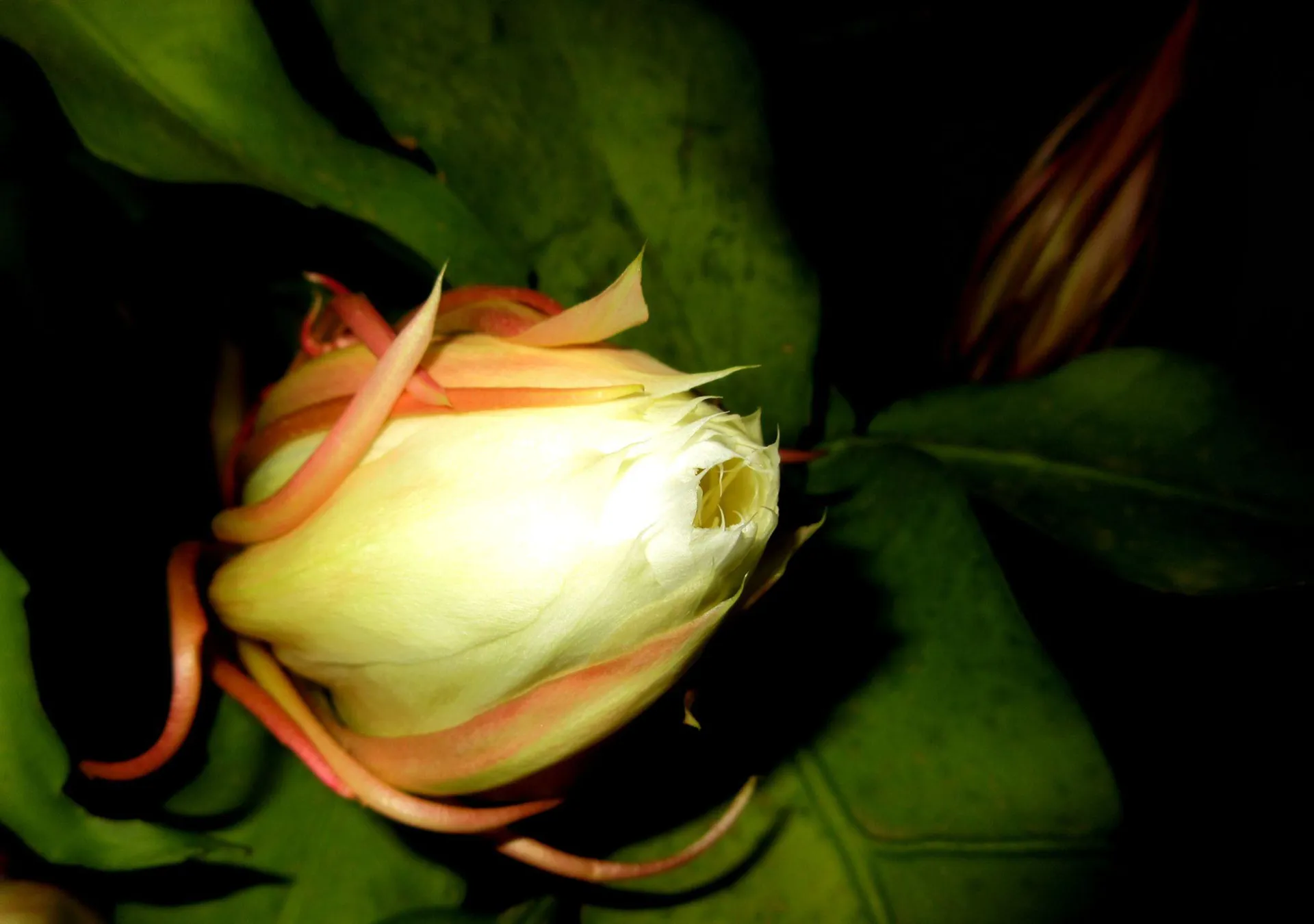
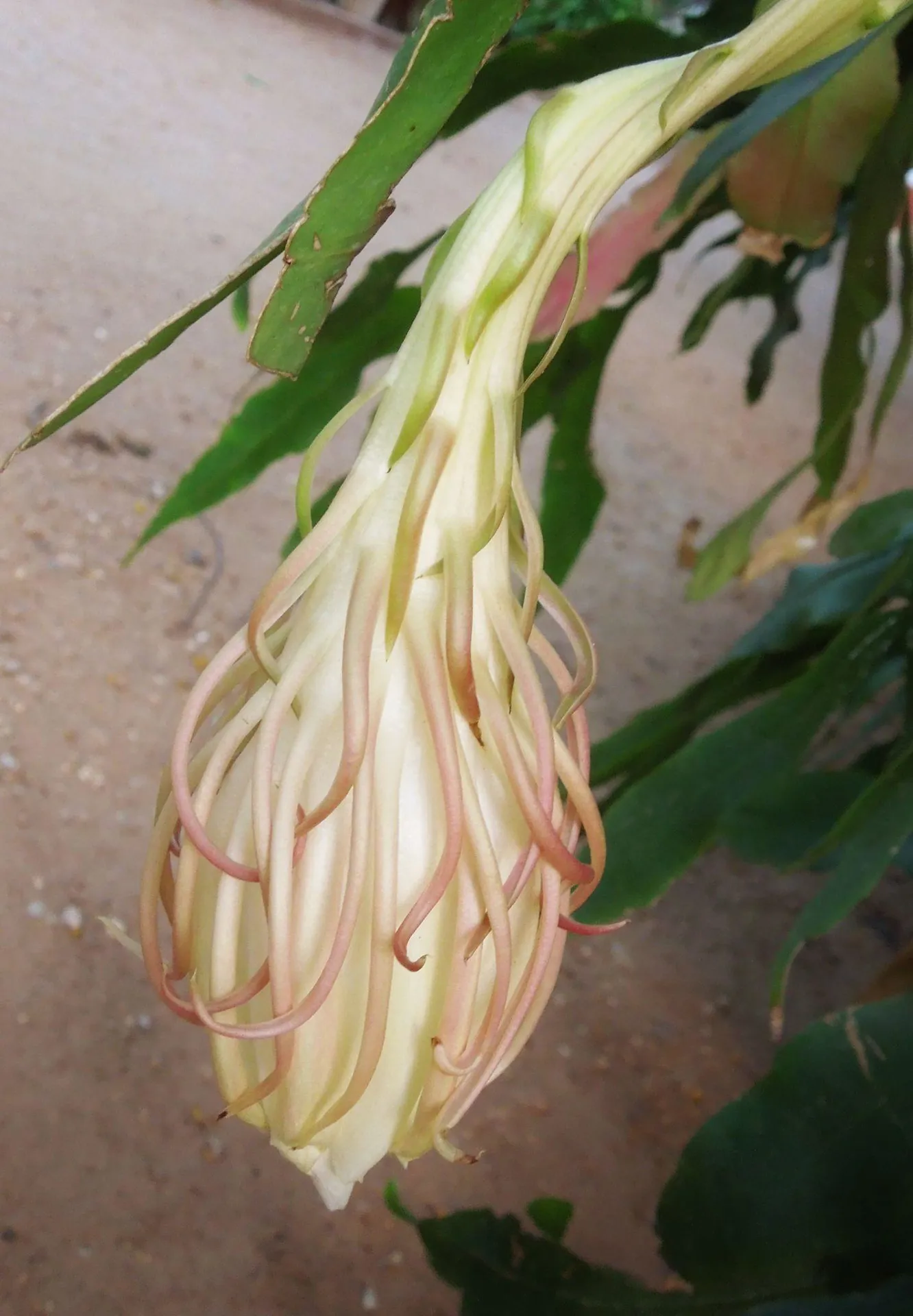
Brahma Kamal may take time to mature before flowering. Growth can appear slow at first, then steadier once the plant settles. Blooms are seasonal and not guaranteed every year, which makes each one feel significant. Bud development often becomes part of the anticipation.

How we grow and ship it

We grow Brahma Kamal to support healthy root and leaf development before encouraging blooms. Plants are shipped while actively growing rather than forced into flowering. After transit, allow time for the plant to settle before repotting or moving it frequently.

Practical Tips

  • Best placed where it can remain undisturbed once settled.
  • Bright indirect light supports stronger growth.
  • Avoid overwatering, good drainage is important.
  • Blooming improves as the plant matures over seasons.

Full care guide

The details behind the basics.
Light
Bright indirect light
Place Brahma Kamal in bright, indirect light. Indoors, a spot near an east window or a few feet back from a sunny window works well.
Water
Hates soggy soil
Brahma Kamal dislikes wet feet. Use a fast-draining mix and don’t let the pot sit in water. If in doubt, water less often but thoroughly.
Soil
Sandy / fast-draining
For Brahma Kamal, a lighter, sandy mix helps prevent root issues. Water more often as needed since fast-draining mixes dry quicker.
Fertilizer
Seasonal feeding
Feed Brahma Kamal in spring and summer when it is actively growing. In fall/winter, reduce feeding or pause entirely.
Pruning
Minimal pruning
Brahma Kamal needs little pruning—remove dead, damaged, or crossing stems and shape lightly as needed.
Cold
Freeze sensitive
Brahma Kamal will suffer below ~32°F. In cold climates, treat it as an annual or overwinter it indoors until frost danger passes.
Pests
Pest magnet
Brahma Kamal can attract pests, especially indoors or in still air. Inspect routinely and act early—small infestations become chaos fast.
Toxicity
Irritant sap
Brahma Kamal may have sap that irritates skin or eyes. Wear gloves when pruning and keep sap away from children and pets.