Plant profile
Details
Growth habit
Climbing vine with twining stems
Mature size
10 ft tall • 4 ft wide
Climate fit
Perennial in Zones 10–11

Bleeding Heart Vine - Red/Pink

Clerodendrum thomsoniae

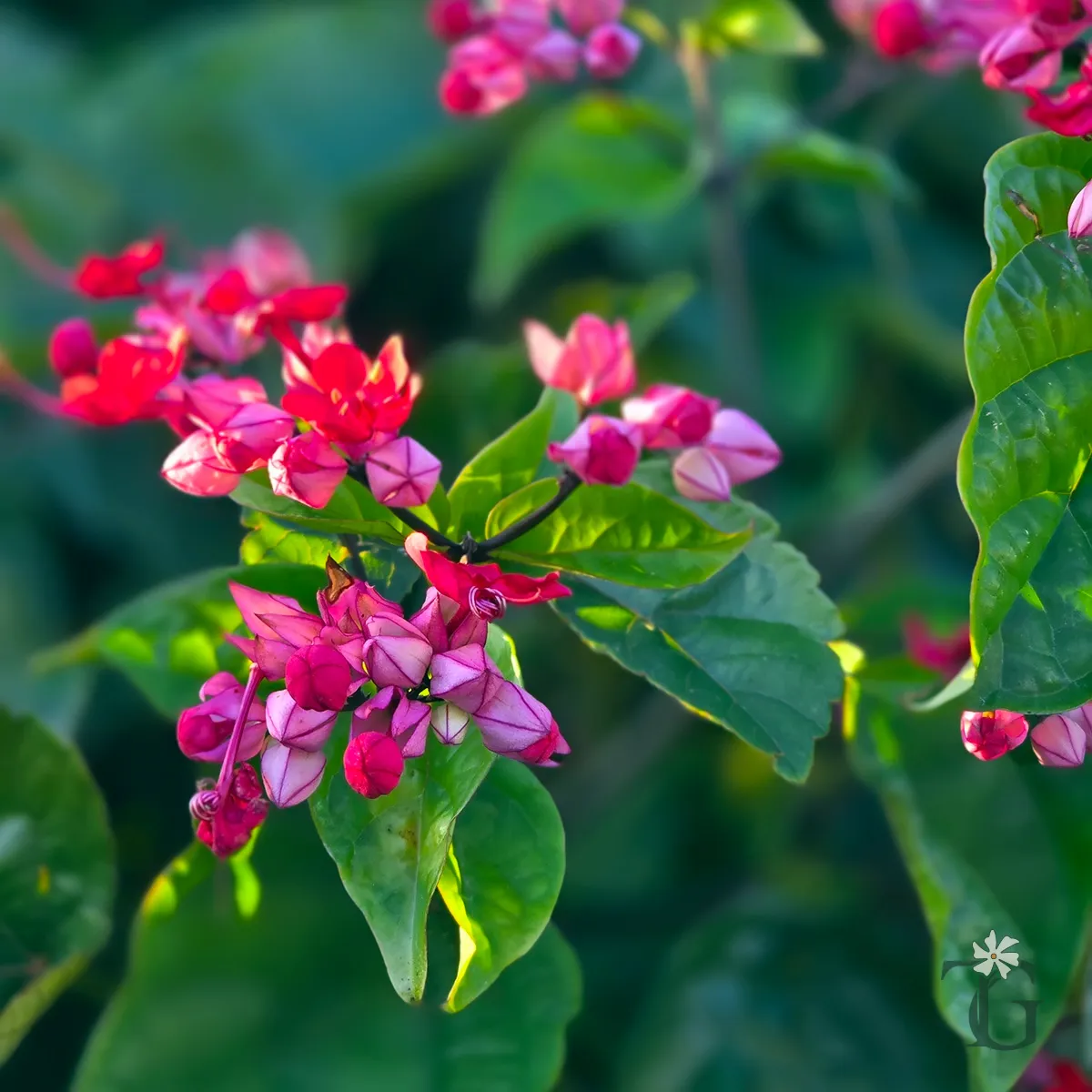
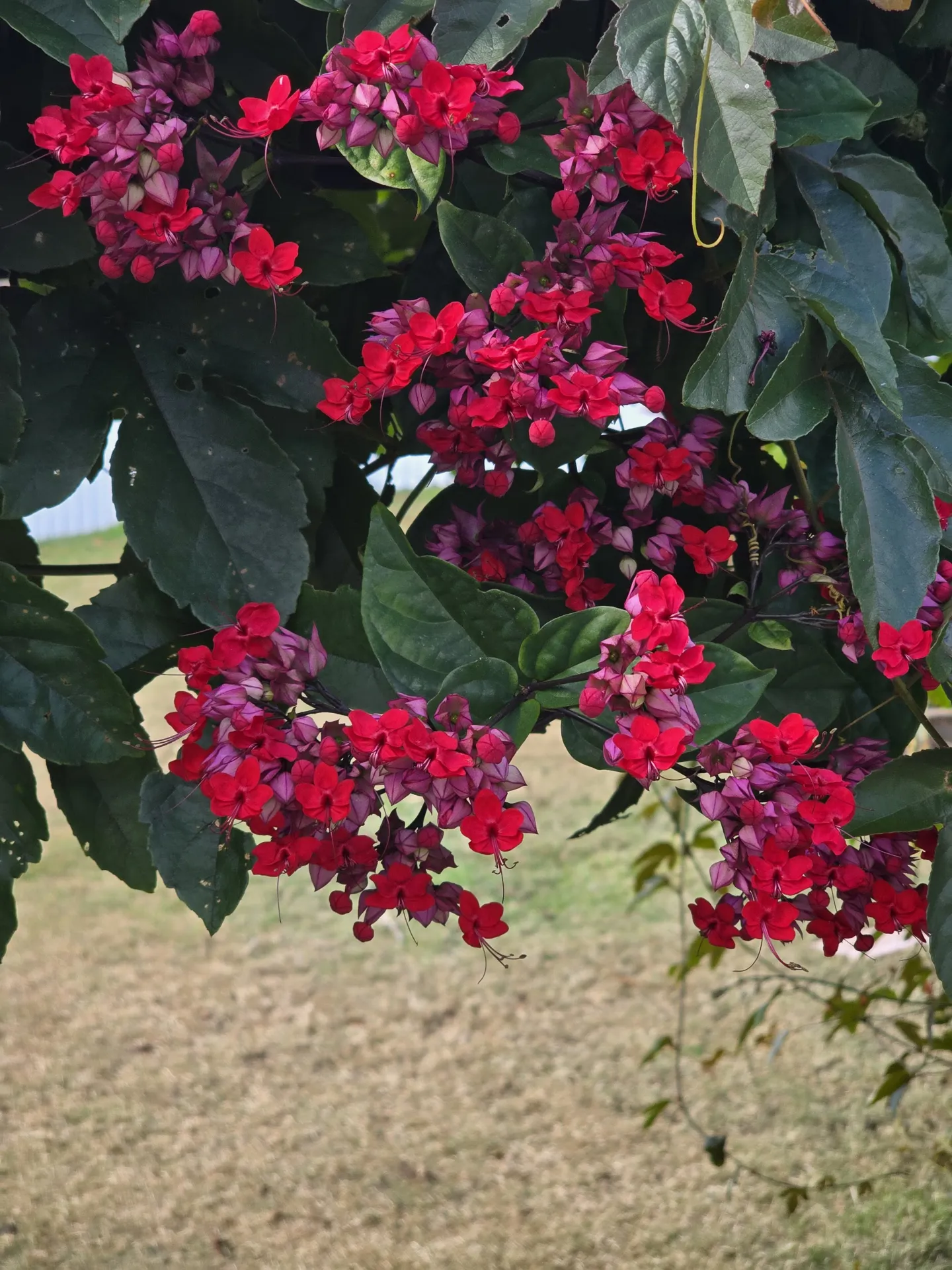
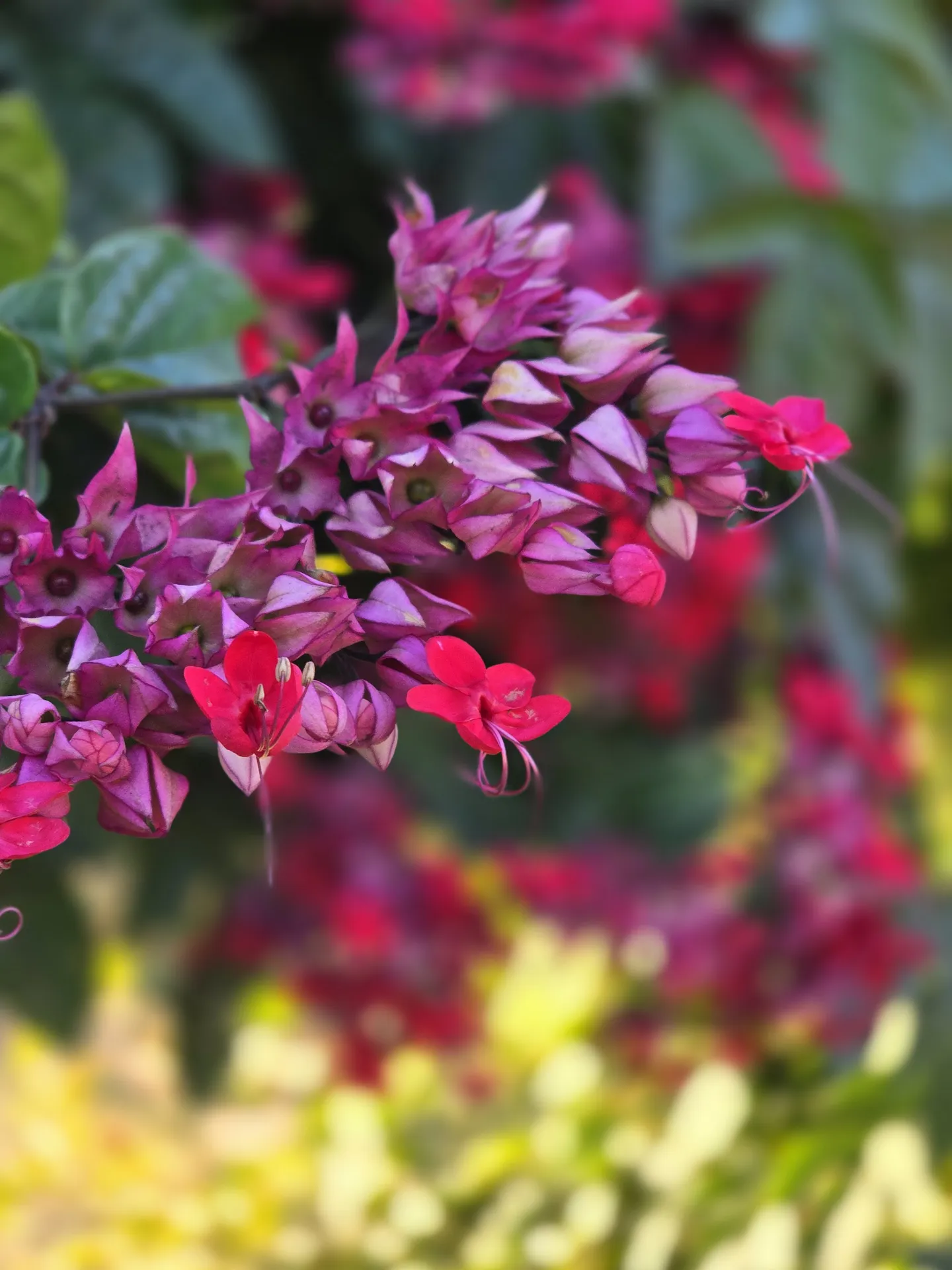
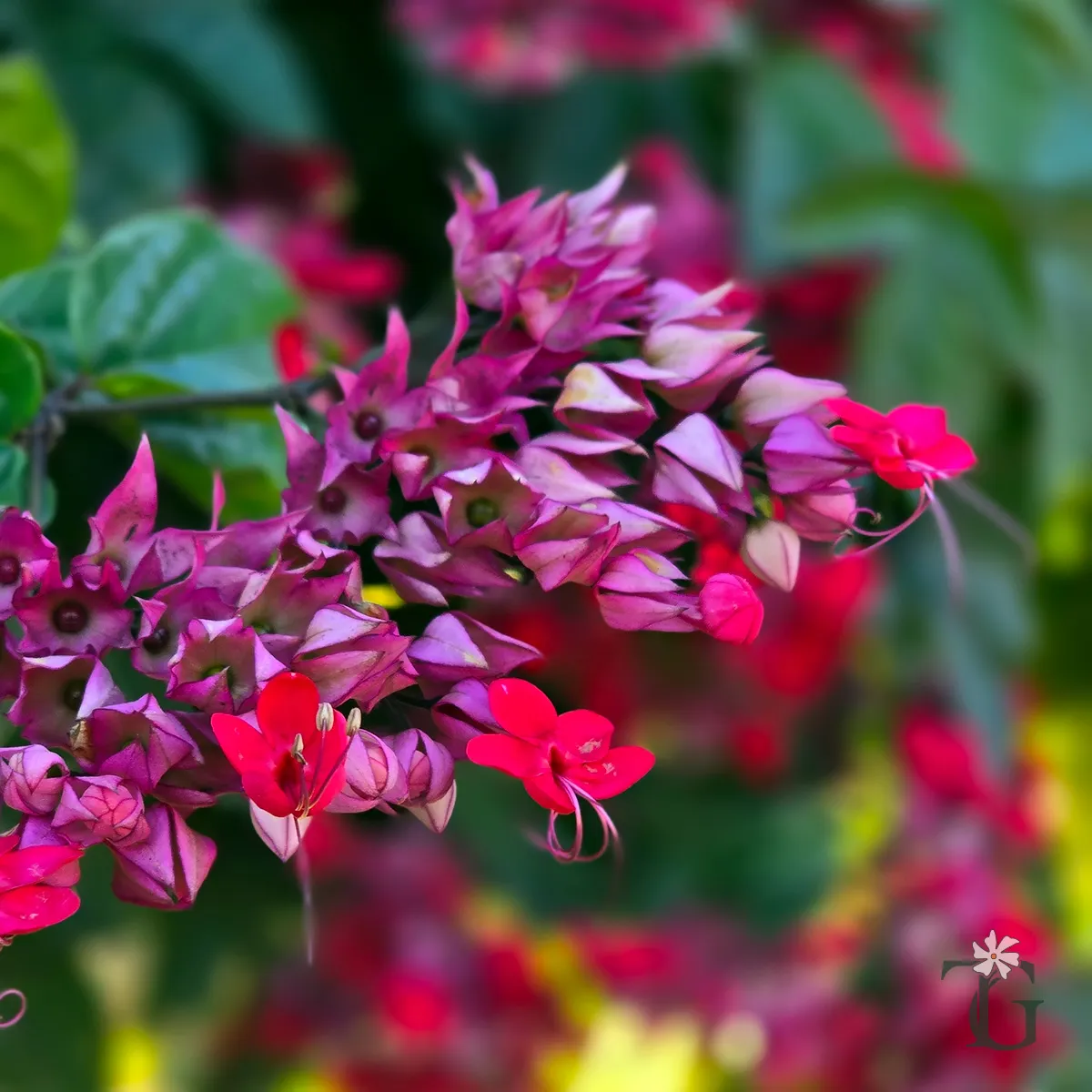
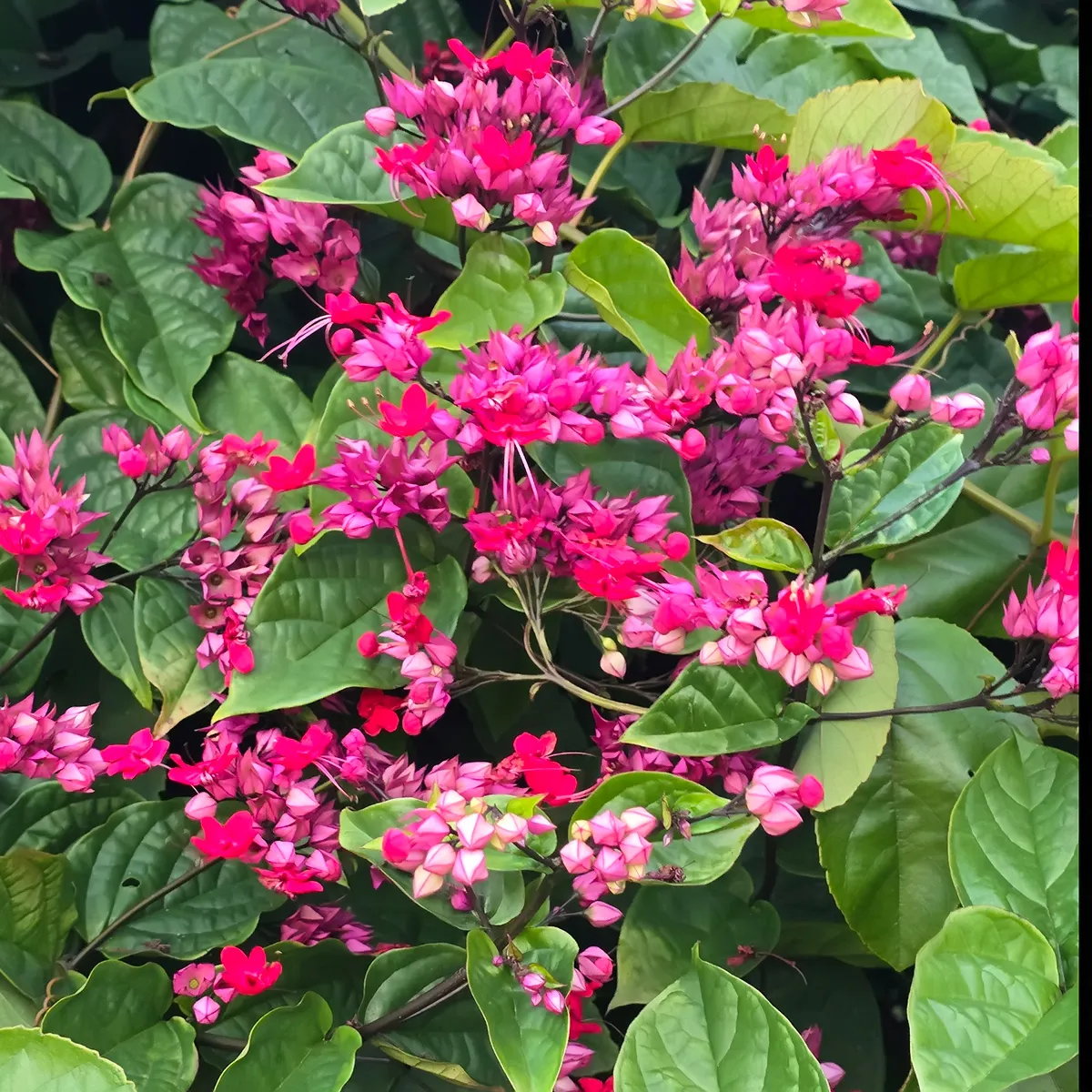
This form of Bleeding Heart Vine is known for clusters of pink toned bracts with deeper red flowers emerging from within. Softer than the high contrast white version but equally striking, it adds warmth and texture to trellises, fences, and corners that benefit from vertical growth. It is often chosen by gardeners who prefer color depth over sharp contrast.

Available pot sizes
Out of stock
We’ll restock when ready
Care basics
Light
Part shade
Water
Evenly moist
Soil
Moisture-retentive but draining
Fertilizer
Moderate feeder
Pruning
Prune after bloom
Cold
Frost tender

About this plant

Botanical snapshot
Genus Clerodendrum
Species thomsoniae
Family Lamiaceae

Bleeding Heart Vine is a flowering climber valued for layered blooms and flexible growth. This pink form produces clusters where shades of rose, magenta, and red blend naturally, giving the plant a fuller visual presence.

Why people grow it

  • Layered color: softer transitions compared to the white form.
  • Climbing energy: responds well to support structures.
  • Seasonal interest: blooming periods bring noticeable change.
  • Garden warmth: adds richness without feeling heavy.

Cultural presence

This plant is grown primarily for ornamental appeal rather than ritual use. In home gardens, it represents the joy of seeing a vine take shape and color over time. It is often appreciated by people who enjoy plants that create movement and layered visual interest.

What to expect

Growth is strongest in warm conditions with bright light. The vine may begin slowly while establishing roots, then climb steadily once comfortable. Occasional pruning helps maintain shape and encourages repeat blooms.

How we grow and ship it

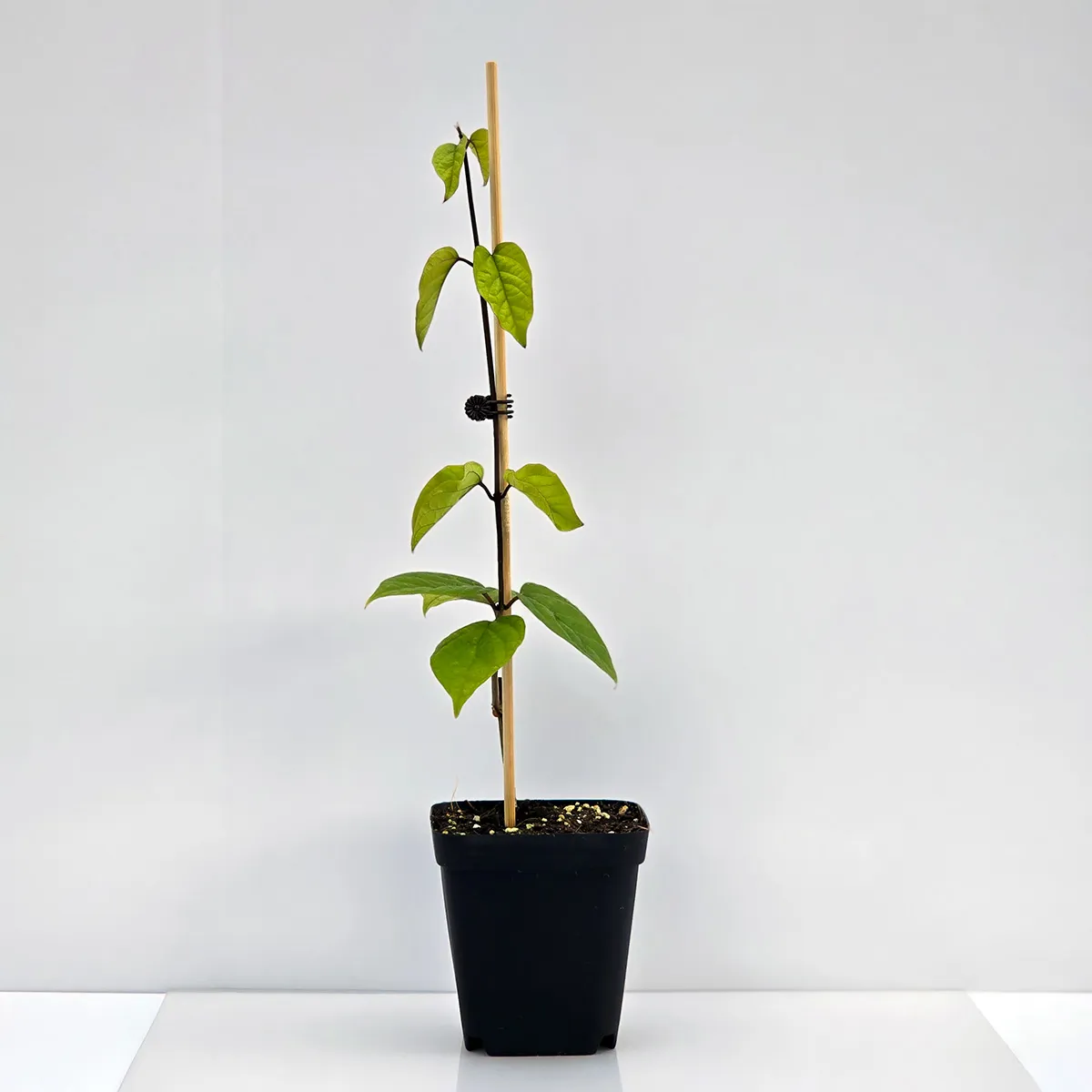
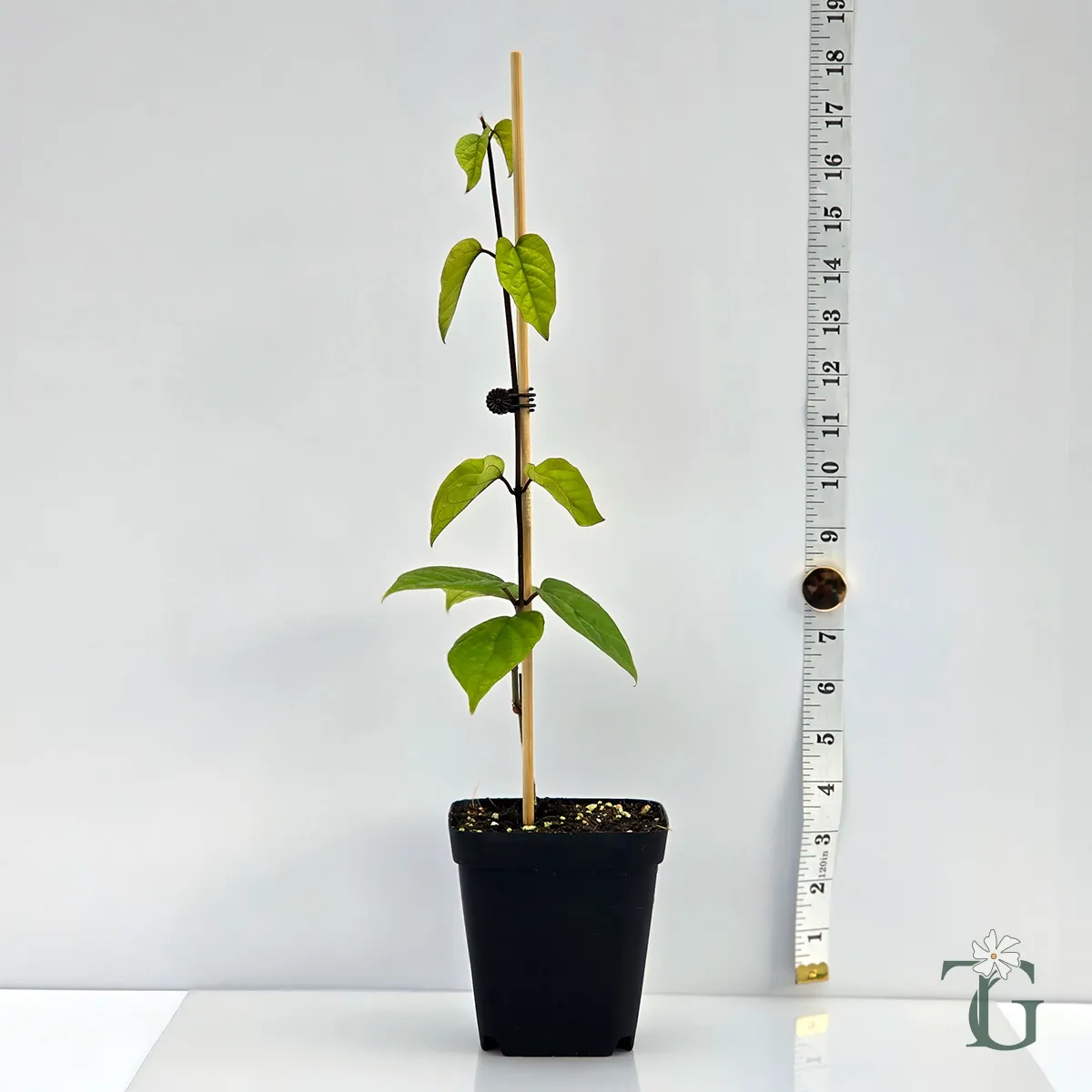
We grow Bleeding Heart Vine with early structural support so it transitions easily into home settings. Plants are shipped rooted and actively growing. After arrival, provide stability and light before shaping.

Disambiguation & Cultural Notes

  • Color variation: bleeding heart vines exist in multiple color forms, including the classic white bract version.
  • Not a perennial bleeding heart: this is a tropical climber, not a ground perennial plant.
  • Flexible form: can be maintained as a shrub if climbing support is limited.
  • Warm climate preference: growth slows in cooler conditions.

Practical Tips

  • Provide trellis or support early
  • Prefers bright light for best flowering
  • Water consistently but avoid soggy soil
  • Light pruning encourages branching
  • Protect from frost

Full care guide

The details behind the basics.
Light
Part shade
Give Bleeding Heart Vine morning sun and afternoon shade, or filtered light through the day. This reduces stress in hot climates.
Water
Evenly moist
Keep Bleeding Heart Vine evenly moist. Water when the surface is just starting to dry; avoid both bone-dry swings and soggy soil.
Soil
Moisture-retentive but draining
Bleeding Heart Vine likes soil that holds moisture while still draining freely. Think airy mix with organic matter plus perlite/pumice for structure.
Fertilizer
Moderate feeder
Feed Bleeding Heart Vine regularly during the growing season with a balanced fertilizer. Reduce or pause feeding when growth slows.
Pruning
Prune after bloom
Prune Bleeding Heart Vine after flowering to shape it and encourage new growth. Avoid heavy pruning right before the main bloom period.
Cold
Frost tender
Bleeding Heart Vine is damaged by frost. Protect it on cold nights or move it indoors before temperatures approach freezing.
Pests
Watch aphids / mites
Keep an eye out for aphids and spider mites on Bleeding Heart Vine, especially in warm, dry conditions. Increase airflow and treat early if needed.
Toxicity
Toxic to pets
Bleeding Heart Vine may be toxic to pets if chewed or ingested. Keep it out of reach and contact a vet if ingestion is suspected.