Our starting point
We do not rush propagation because plants remember how they were raised.
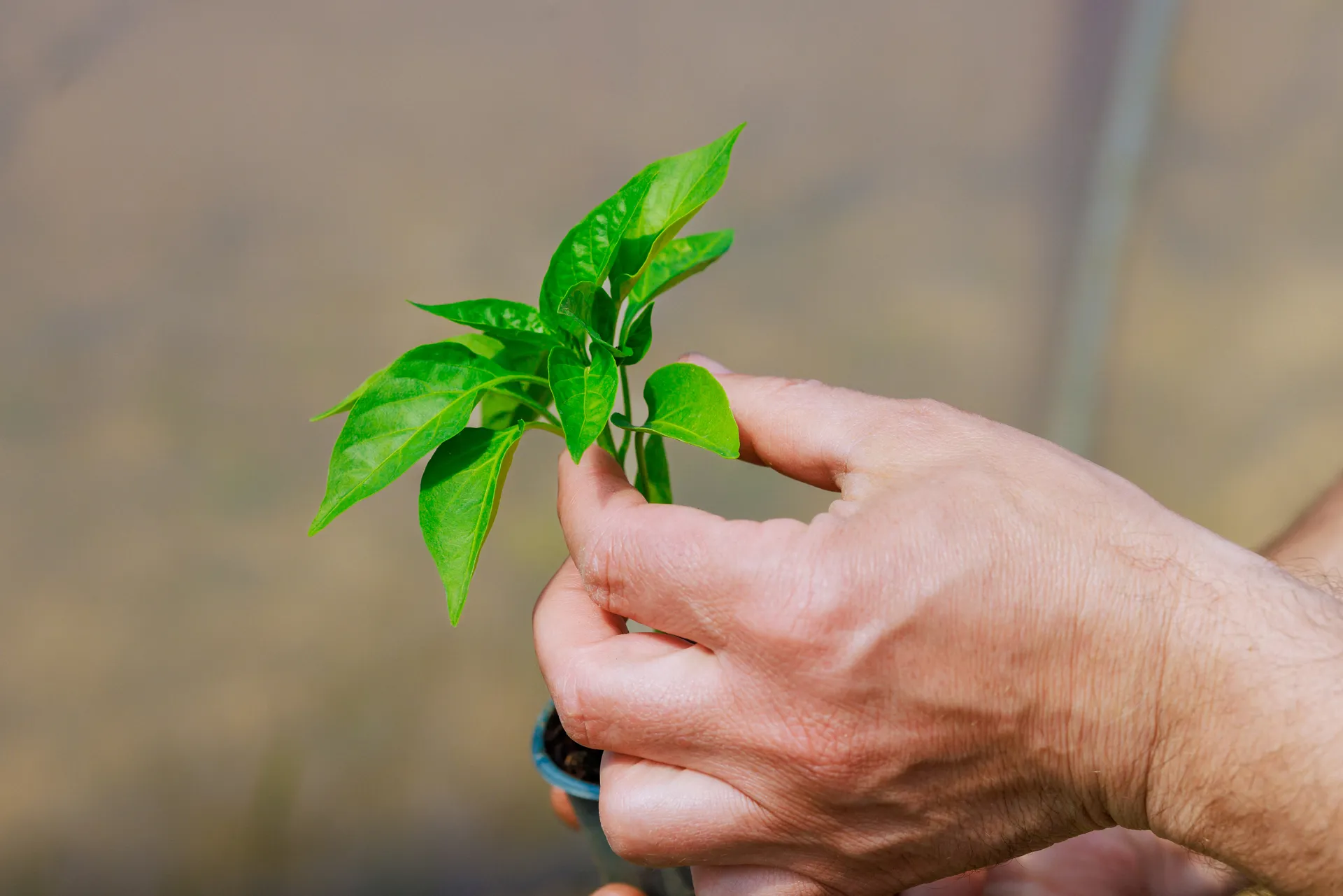
For us, propagation is not a factory step. It is a relationship. Some plants want heat, some want patience, some want solitude, some want a gentle push. Our job is to listen first and optimize second.
How we actually propagate
Slow before fast
We would rather take longer and get it right than force a plant to grow on our schedule. If a cutting roots in three weeks, we do not celebrate early. If it takes eight, we do not panic. Consistency matters more than speed.
Different plants, different methods
We do not believe in one-size propagation. In practice that means:
- seeds for plants that grow true and benefit from it
- cuttings for plants that carry lineage, aroma, or form best that way
- division where it makes biological sense
- air-layering only when a plant clearly responds better to it
The method follows the plant, not our convenience.
Clean media, simple inputs
We use fresh, well-draining media and keep things basic. No secret potions, no exotic additives, no internet recipes that promise miracles. Warmth, light, humidity, and patience do most of the work.
Light hands, sharp eyes
We intervene only when necessary. Too much tinkering creates weak plants. We check moisture, airflow, and light, then we step back. Most propagation failures come from doing too much, not too little.
Root first, size later
We do not rush plants into big pots just to make them look impressive. A compact, well-rooted plant will outgrow a large, poorly rooted one every time. Stability comes before appearance.
What we watch for (and why)
Callus and early roots
We look for healthy callusing and steady root formation rather than fast top growth. Strong roots are the foundation of everything that comes next.
Leaf behavior
Droop, curl, or color shifts tell us more than any gadget. We adjust light or humidity based on how the plant actually responds, not what a chart says.
Season and timing
Some plants propagate beautifully in heat and fail in cool nights. We respect seasonality instead of fighting it. If a plant is not ready, we wait.
What we deliberately avoid
Factory-style propagation
We do not flood trays with identical clones just to hit a number. We propagate what we can care for properly.
Chemical shortcuts
We avoid heavy reliance on growth stimulants or routine pesticide baths. If a plant needs constant chemical crutches at this stage, we reconsider growing it at all.
Aesthetics over health
We will not rush a plant to look big for photos at the expense of root development or structural strength.
The line that guides us
If a plant cannot be raised calmly and correctly, we would rather grow fewer of them.
Slow, observant, human. That is how we propagate.