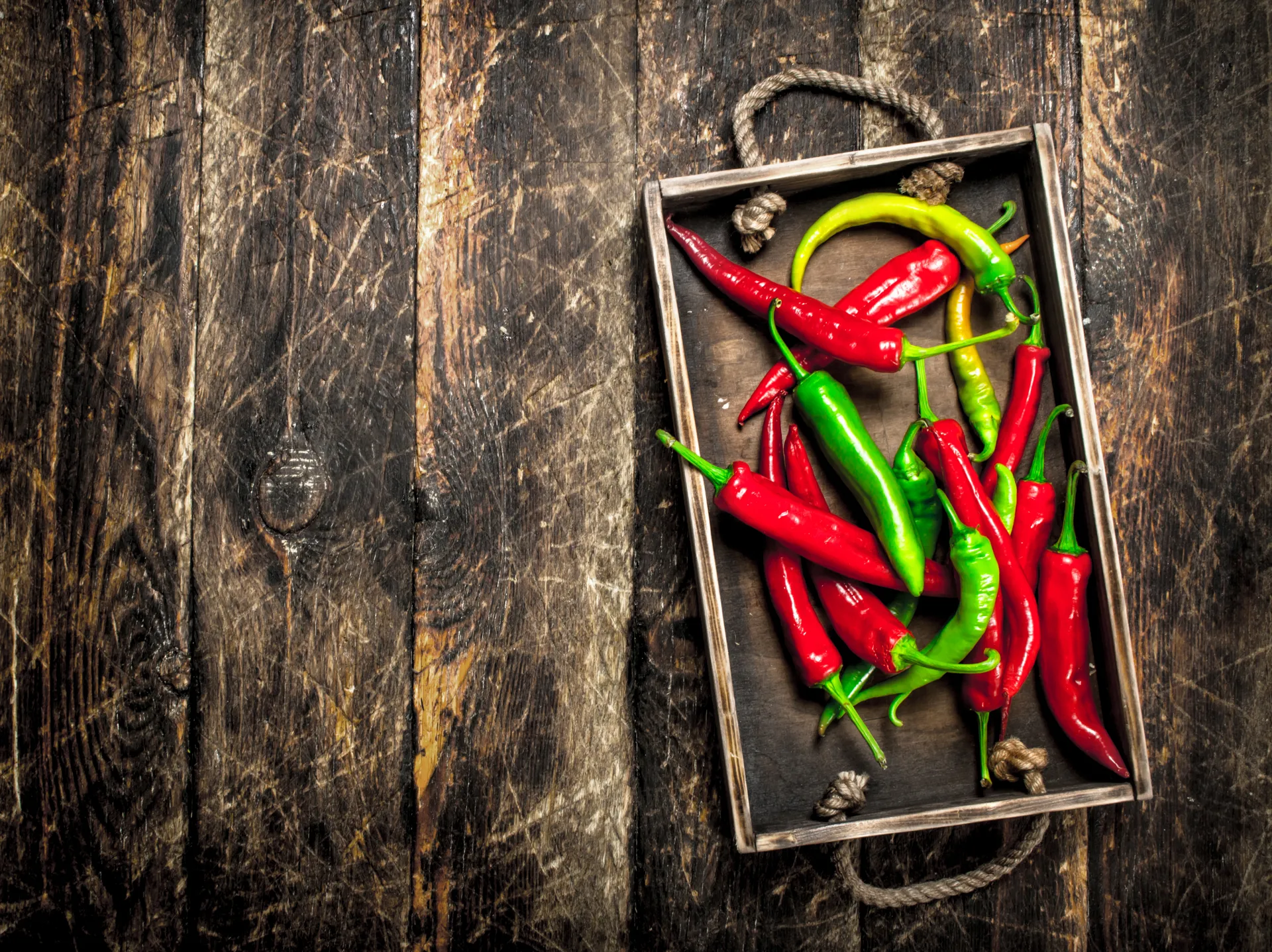
What peppers really want
Peppers thrive when three things are consistent:
light, heat, and drainage.
If these are right, growth becomes predictable and productive.
Light
Peppers are full sun plants.
- Give at least 6 to 8 hours of direct sunlight
- More light leads to better flowering and fruiting
- In low light, plants stay leafy but produce fewer peppers
Simple rule: if your plant is growing but not producing, it needs more sun.
Water
Peppers prefer steady moisture, not swings.
- Water when the top inch of soil dries out
- Avoid letting the soil go bone dry repeatedly
- Avoid constantly wet soil, this slows roots and reduces vigor
Inconsistent watering often leads to flower drop or small fruit.
Soil and drainage
Peppers need oxygen at the roots.
- Use loose, well-draining potting mix
- Add perlite or coarse material if needed
- Always use containers with drainage holes
Heavy or compacted soil reduces growth more than low fertilizer.
Feeding
Peppers are moderate feeders with clear signals.
- Feed lightly every 2 to 3 weeks during active growth
- Use balanced fertilizer early, then slightly higher potassium once flowering begins
- Avoid overfeeding nitrogen, it creates leaves instead of fruit
If the plant is large but not producing, reduce nitrogen and increase light.
Pruning and structure
Peppers do not require aggressive pruning.
- Remove weak inner growth to improve airflow
- Light pinching early can encourage branching
- Support taller plants with stakes as they grow
Focus on structure, not constant cutting.
Temperature and seasonality
Peppers are heat-loving plants.
- Growth accelerates above 75°F
- Below 60°F, growth slows noticeably
- Frost will damage or kill the plant
Warm nights matter as much as sunny days.
Flowering and fruiting behavior
Peppers follow cycles.
- Flowers may drop during stress or sudden temperature shifts
- Fruit production increases once conditions stabilize
- Plants often produce in waves rather than continuously
Early flower drop is common and not a failure.
Common problems and how to read them
Leafy plant, no peppers
Usually too little light or too much nitrogen
Flower drop
Temperature swings or inconsistent watering
Yellowing leaves
Check drainage first, then feeding balance
Small or thin peppers
Often linked to low light or irregular watering
How we grow and ship peppers
We ship actively growing plants rather than oversized, stressed specimens.
Expect a short adjustment period after delivery.
Give the plant warmth, strong light, and a stable watering rhythm before expecting new growth.
Good to know
Peppers respond to consistency.
They do not need constant adjustment.
They perform best when conditions are steady and predictable.
Practical Tips
- Place in the sunniest available location
- Water when the top inch dries out
- Avoid overfeeding early
- Stake as the plant gains height
- Expect stronger growth as temperatures rise
- If something looks off, check light first, then drainage