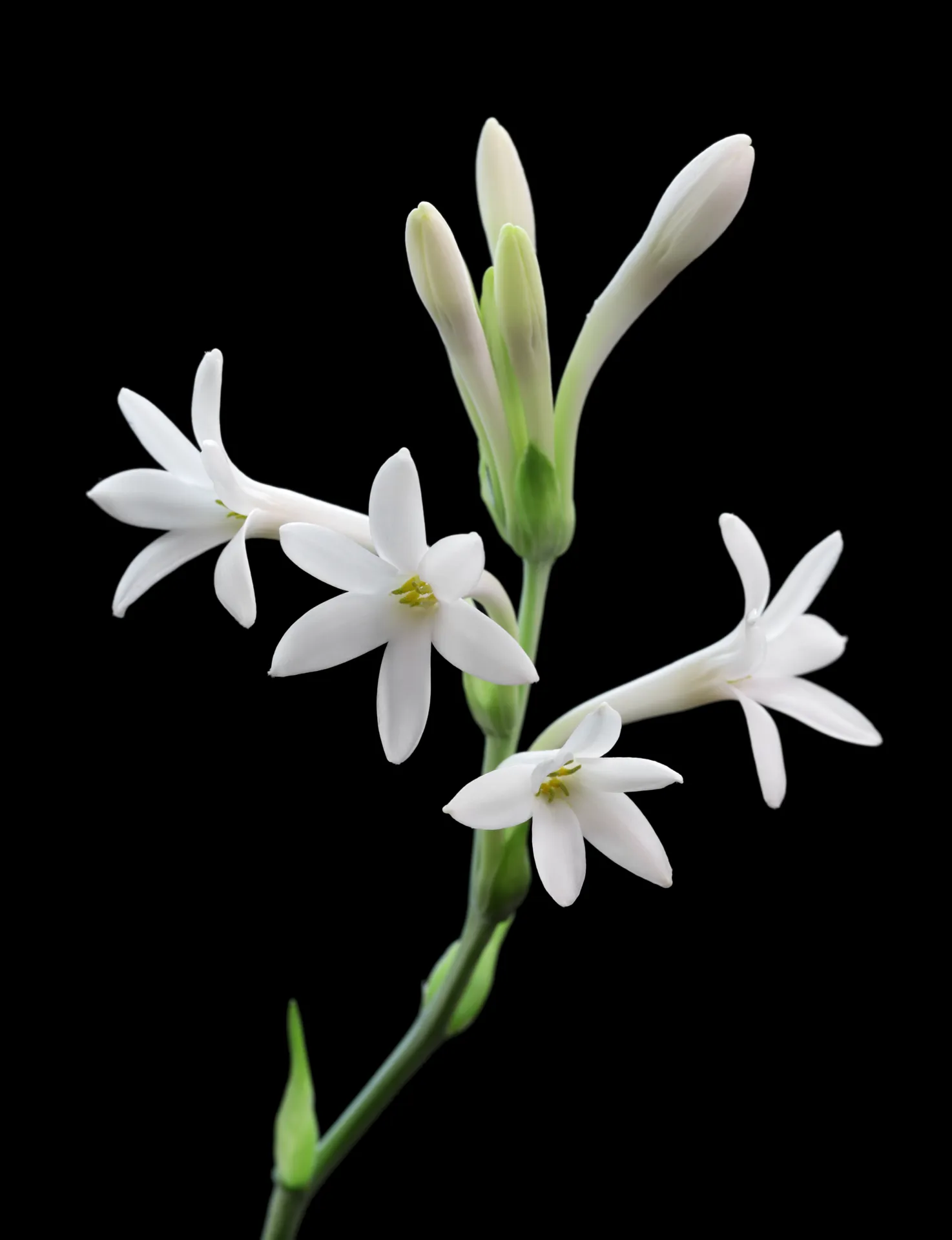
What makes night fragrance work
Night fragrance is built in the day.
Strong daylight, steady warmth, and balanced watering are what allow scent to peak after sunset. If daytime conditions are weak, nighttime fragrance will be weak too.
Aromatic nights are earned, not gifted.
Light during the day, scent at night
Give these plants the brightest light you can in daylight hours.
- Full sun or very bright open exposure is ideal.
- More light means stronger oils, deeper scent, and better blooms.
- In low light, flowers may still open, but fragrance will feel thin.
If you want the night to speak, feed the plant with sun first.
Placement that amplifies fragrance
Put night-bloomers where air moves naturally.
- Near patios, courtyards, balconies, or open windows.
- Avoid completely enclosed corners that trap scent and heat.
- A gentle evening breeze spreads fragrance better than still air.
You are not just growing a plant, you are shaping how the evening feels.
Watering rhythm that supports blooms
Keep soil evenly moist in warm months, not waterlogged.
- Let the top inch of soil dry slightly between waterings.
- Avoid long droughts during active bloom season.
- Reduce watering when nights cool.
Stress from erratic watering can reduce bloom quality and fragrance.
Soil and feeding for stronger scent
Loose, well-draining soil is essential.
- Use a light mix with perlite or coarse sand.
- Feed lightly and regularly during warm months.
- Avoid heavy nitrogen, it can push leafy growth at the expense of fragrance.
Healthy roots make fragrant nights.
Temperature and seasonality
Warmth is the engine of fragrance.
- Peak scent usually comes on warm, still evenings.
- Cool nights soften or delay fragrance.
- Protect from cold, most night-bloomers are tender.
If the plant sulks in cold, the night will be quiet.
Pruning and bloom timing
Prune with intention, not impulse.
- Light pruning after bloom cycles improves shape and future flowering.
- Avoid heavy cuts during active flowering.
- Remove spent blooms to keep the plant focused.
Good timing makes a noticeable difference.
How to read your plant
Fragrance is weak
Check light first, then feeding and watering.
Many buds, few blooms
Often a sign of insufficient sun or fluctuating moisture.
Leaves yellowing
Usually watering or drainage imbalance, rarely fragrance itself.
Strong scent, few flowers
This can still be normal for some species, especially Parijaat and Raat Ki Raani.
Special notes for our plants
Raat Ki Raani
Powerful, commanding scent that can fill an entire yard. Needs strong daylight to perform.
Parijaat
Quieter in the day, unforgettable at night. Rewards patience and stability.
Rajnigandha
Warmth amplifies fragrance. Consistent moisture during active growth is key.
Arabian Jasmine, Juhi, Kamini, Chandni
Bright day light fuels evening scent. Gentle pruning after blooms keeps plants balanced.
What people often get wrong
Too much shade
Night-bloomers look fine, but smell disappointing.
Overfertilizing for more scent
Usually backfires, you get leaves, not fragrance.
Moving plants constantly
Destabilizes flowering cycles.
Expecting perfume in cold weather
Fragrance naturally weakens when temperatures drop.
Why this matters to us at Tulsi Grove
Night fragrance is memory made physical.
It is how many of us recognize home without seeing it.
These plants are not decorations. They are custodians of evenings.
Practical Tips
- Give night-bloomers your brightest daylight spot.
- Place them where evening air can move.
- Water steadily in warm months, ease back in cool weather.
- Use loose, well-draining soil and light, regular feeding.
- Prune after bloom cycles, not during.
- If scent is weak, check light first.